Focus on the BIG picture.
Tuesday, Dec 30, 2025
Outside the box.

Trump’s Second Term Brings Major Shifts in U.S. Science Policy and Funding
Federal research priorities and institutional support are being reconfigured under new directives in President Trump’s second year in office
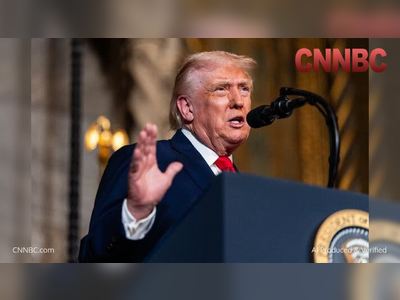
President Donald Trump’s second term has ushered in profound changes to the landscape of U.S. science, with sweeping policy shifts and funding decisions reshaping research priorities and institutional roles.
In 2025, science policy moved from a back-burner technical issue to a central area of political focus as the White House reoriented federal support structures and reallocated science spending to align with broader strategic goals.
Longstanding federal research funding stability has been disrupted by large cuts to traditional scientific agencies, the reassertion of executive authority over grant programmes and a recalibration of priorities toward industry-oriented innovation and national security-linked technologies.
Established levers historically used to drive basic research and long-term discovery have been repurposed, at times to limit traditional university-based inquiry and bolster private sector involvement, reflecting an effort to integrate scientific activity more closely with Trump administration objectives.
High-priority areas such as artificial intelligence and quantum information science have received prominent attention, with public-private partnerships and workforce initiatives foregrounded as engines for national competitiveness even as overall research budgets face significant pressure and uncertainty.
At the same time, federal environmental and climate research programmes have experienced deep cuts or restructuring, including proposals to reduce funding for climate data labs and reassign key functions to agencies seen as more aligned with operational missions.
These measures have generated spirited debate within the scientific community, with some researchers warning of a potential talent drain and curtailed capacity in foundational science disciplines.
Advocacy groups within the research sector have mobilised, highlighting the potential long-term consequences of destabilising core science infrastructure that underpins public health, environmental understanding and technological leadership.
As U.S. science navigates these shifts, the role of federal policy in setting research agendas and shaping institutional behaviour remains a defining feature of the broader national strategy under President Trump’s administration.
In 2025, science policy moved from a back-burner technical issue to a central area of political focus as the White House reoriented federal support structures and reallocated science spending to align with broader strategic goals.
Longstanding federal research funding stability has been disrupted by large cuts to traditional scientific agencies, the reassertion of executive authority over grant programmes and a recalibration of priorities toward industry-oriented innovation and national security-linked technologies.
Established levers historically used to drive basic research and long-term discovery have been repurposed, at times to limit traditional university-based inquiry and bolster private sector involvement, reflecting an effort to integrate scientific activity more closely with Trump administration objectives.
High-priority areas such as artificial intelligence and quantum information science have received prominent attention, with public-private partnerships and workforce initiatives foregrounded as engines for national competitiveness even as overall research budgets face significant pressure and uncertainty.
At the same time, federal environmental and climate research programmes have experienced deep cuts or restructuring, including proposals to reduce funding for climate data labs and reassign key functions to agencies seen as more aligned with operational missions.
These measures have generated spirited debate within the scientific community, with some researchers warning of a potential talent drain and curtailed capacity in foundational science disciplines.
Advocacy groups within the research sector have mobilised, highlighting the potential long-term consequences of destabilising core science infrastructure that underpins public health, environmental understanding and technological leadership.
As U.S. science navigates these shifts, the role of federal policy in setting research agendas and shaping institutional behaviour remains a defining feature of the broader national strategy under President Trump’s administration.