Focus on the BIG picture.
Saturday, Dec 20, 2025
Outside the box.

Federal Marijuana Reclassification to Schedule III Could Reshape Florida’s Cannabis Landscape
Shift in federal policy may ease taxes and research barriers but stops short of legalising recreational use in Florida
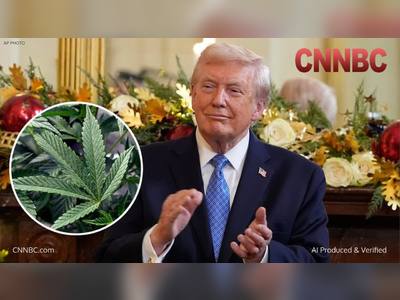
The federal government’s ongoing move to reclassify marijuana from a Schedule I to a Schedule III controlled substance could have important implications for Florida’s cannabis industry, even though it would not change the legal status of recreational cannabis in the state.
President Donald Trump signed an executive order directing federal authorities to begin the reclassification process, placing marijuana alongside drugs considered to have medical use and lower potential for abuse, such as ketamine and certain steroids.
This shift reflects a significant recalibration of federal policy toward the psychoactive plant and could influence how cannabis is regulated and utilised across the country, including in Florida.
For Florida’s large medical marijuana market — which serves hundreds of thousands of registered patients — a move to Schedule III could ease longstanding regulatory burdens and provide tangible business benefits.
Most notably, federal tax code Section 280E currently bars state-licensed cannabis businesses from deducting ordinary operating expenses because marijuana is a Schedule I drug; should marijuana become Schedule III, dispensaries and growers could claim routine business deductions, lowering effective tax burdens and improving profit margins.
The reclassification may also open doors for expanded scientific and medical research within the state.
Federal barriers that have long restricted access to funding and comprehensive clinical studies could be reduced, enabling universities, medical centres and private firms in Florida to conduct in-depth research into potential therapeutic uses of cannabis for conditions such as chronic pain, post-traumatic stress disorder and cancer symptoms.
This could support innovations in treatment and strengthen Florida’s role in evidence-based cannabis medicine.
However, important limitations remain.
Marijuana would still be illegal under federal law for recreational use regardless of reclassification, and Florida voters in 2024 rejected a constitutional amendment that would have legalised adult recreational consumption.
Large financial institutions have also made clear that without full federal legalisation, many banks will remain reluctant to offer full services to cannabis firms, meaning growers and dispensaries would continue relying on smaller or alternative lenders at higher cost.
Meanwhile, federal regulatory requirements for Schedule III substances — including registration and record-keeping — would apply, ensuring marijuana remains tightly controlled and subject to oversight even under a lower schedule.
President Donald Trump signed an executive order directing federal authorities to begin the reclassification process, placing marijuana alongside drugs considered to have medical use and lower potential for abuse, such as ketamine and certain steroids.
This shift reflects a significant recalibration of federal policy toward the psychoactive plant and could influence how cannabis is regulated and utilised across the country, including in Florida.
For Florida’s large medical marijuana market — which serves hundreds of thousands of registered patients — a move to Schedule III could ease longstanding regulatory burdens and provide tangible business benefits.
Most notably, federal tax code Section 280E currently bars state-licensed cannabis businesses from deducting ordinary operating expenses because marijuana is a Schedule I drug; should marijuana become Schedule III, dispensaries and growers could claim routine business deductions, lowering effective tax burdens and improving profit margins.
The reclassification may also open doors for expanded scientific and medical research within the state.
Federal barriers that have long restricted access to funding and comprehensive clinical studies could be reduced, enabling universities, medical centres and private firms in Florida to conduct in-depth research into potential therapeutic uses of cannabis for conditions such as chronic pain, post-traumatic stress disorder and cancer symptoms.
This could support innovations in treatment and strengthen Florida’s role in evidence-based cannabis medicine.
However, important limitations remain.
Marijuana would still be illegal under federal law for recreational use regardless of reclassification, and Florida voters in 2024 rejected a constitutional amendment that would have legalised adult recreational consumption.
Large financial institutions have also made clear that without full federal legalisation, many banks will remain reluctant to offer full services to cannabis firms, meaning growers and dispensaries would continue relying on smaller or alternative lenders at higher cost.
Meanwhile, federal regulatory requirements for Schedule III substances — including registration and record-keeping — would apply, ensuring marijuana remains tightly controlled and subject to oversight even under a lower schedule.