Focus on the BIG picture.
Wednesday, May 13, 2026
Outside the box.

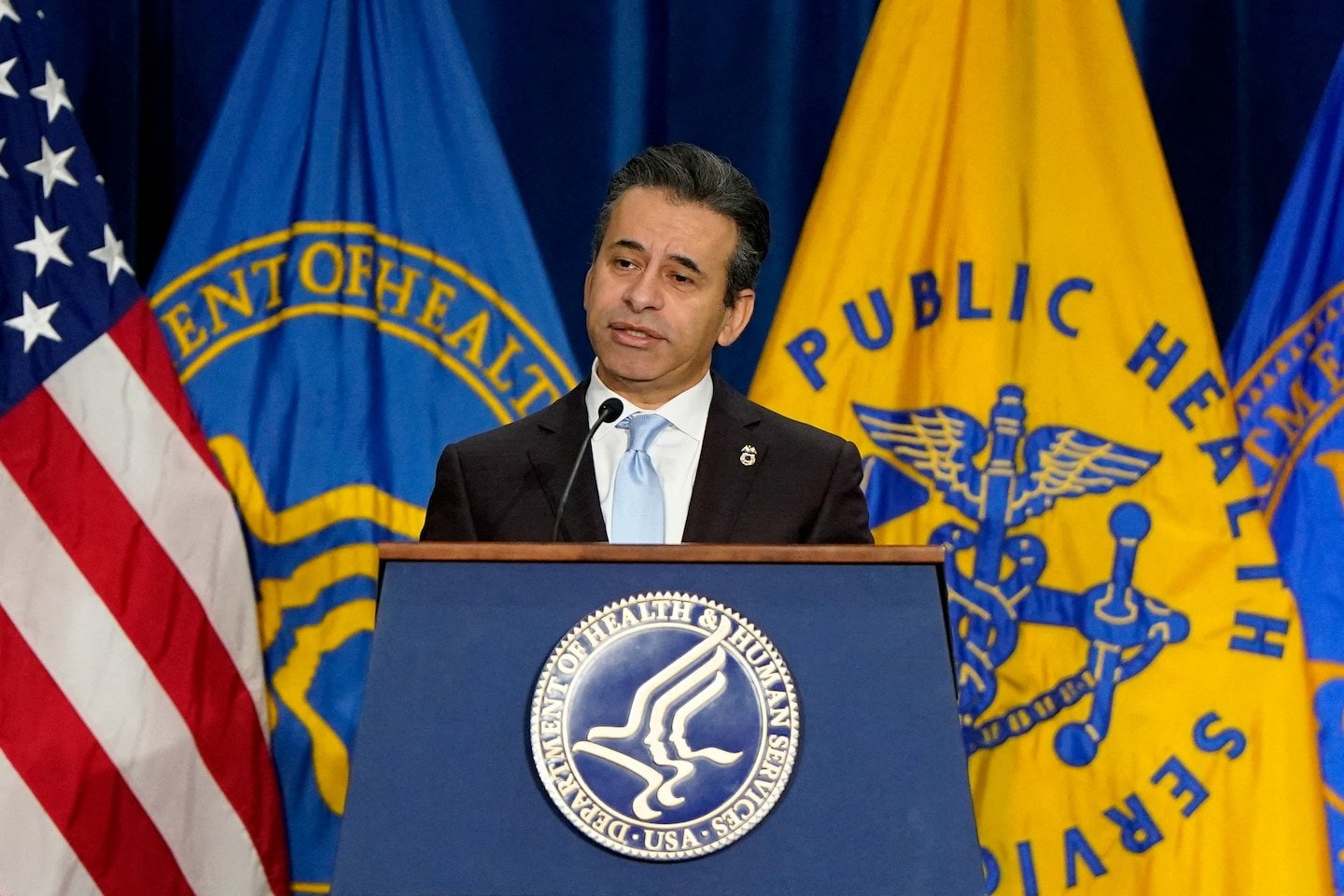
FDA Leadership Exit Highlights Deepening Turmoil Inside U.S. Drug Regulator
Resignation of top official underscores internal pressure, policy disputes, and regulatory strain at the Food and Drug Administration
An actor-driven institutional crisis has emerged inside the U.S. Food and Drug Administration, the federal agency responsible for regulating drugs, medical devices, and food safety, following the resignation of its top leader amid escalating internal tensions and policy disputes.
The departure reflects broader strain within the agency’s leadership structure at a time when it is managing high-stakes decisions across pharmaceuticals, public health oversight, and rapidly evolving biomedical technologies.
What is confirmed is that the agency’s chief has resigned during a period marked by internal disagreement over regulatory priorities, staffing pressures, and the pace of approval decisions.
The Food and Drug Administration plays a central role in determining which treatments reach the U.S. market, how quickly new drugs are authorized, and how safety standards are enforced across the healthcare system.
Leadership instability in such an institution carries immediate operational consequences because decision-making authority is distributed across tightly coordinated scientific and regulatory divisions.
The mechanism of impact in this case is administrative rather than external.
Unlike crises driven by external shocks such as pandemics or supply chain failures, this development stems from internal governance friction.
The FDA operates through a layered hierarchy of scientific review offices, legal oversight teams, and executive leadership that sets strategic direction.
When senior leadership changes abruptly, it can slow coordination between these units, particularly on controversial or fast-moving approval decisions.
The resignation comes against a backdrop of broader regulatory pressure on the agency.
The FDA has faced increasing scrutiny over drug approval timelines, especially for high-profile treatments in areas such as oncology, rare diseases, and emerging gene therapies.
At the same time, it has been managing heightened political attention on vaccine policy, opioid regulation, and food safety enforcement.
These overlapping demands have intensified internal workload and amplified disagreement over risk tolerance in approval pathways.
Within the pharmaceutical ecosystem, the FDA’s stability is critical because it functions as the gatekeeper for market entry in the world’s largest drug market.
Any perceived uncertainty in its leadership can influence investor confidence, drug development timelines, and strategic planning by pharmaceutical companies.
Delays or shifts in regulatory posture can have downstream effects on clinical trial design and global distribution strategies.
Staffing and morale have also been recurring pressure points.
Regulatory agencies with highly specialized scientific personnel depend on continuity of leadership to retain expertise and maintain predictable decision frameworks.
Frequent leadership turnover can increase uncertainty in interpretation of regulatory standards, even when formal rules remain unchanged.
The broader implication of the resignation is not an immediate change in regulatory law or policy, but a potential slowdown in institutional momentum at a time when biomedical innovation is accelerating.
The agency is simultaneously evaluating advanced therapies, digital health tools, and personalized medicine platforms that require consistent and technically informed oversight.
In practical terms, the FDA is expected to continue functioning through its existing internal structures, with interim leadership typically assigned to maintain operational continuity.
However, the departure adds pressure to ongoing debates over how the agency should balance speed of approval with safety assurance, a core tension that defines modern pharmaceutical regulation.
The development signals continued volatility in one of the most consequential regulatory institutions in the United States, where leadership stability directly affects public health oversight and the trajectory of medical innovation.
The departure reflects broader strain within the agency’s leadership structure at a time when it is managing high-stakes decisions across pharmaceuticals, public health oversight, and rapidly evolving biomedical technologies.
What is confirmed is that the agency’s chief has resigned during a period marked by internal disagreement over regulatory priorities, staffing pressures, and the pace of approval decisions.
The Food and Drug Administration plays a central role in determining which treatments reach the U.S. market, how quickly new drugs are authorized, and how safety standards are enforced across the healthcare system.
Leadership instability in such an institution carries immediate operational consequences because decision-making authority is distributed across tightly coordinated scientific and regulatory divisions.
The mechanism of impact in this case is administrative rather than external.
Unlike crises driven by external shocks such as pandemics or supply chain failures, this development stems from internal governance friction.
The FDA operates through a layered hierarchy of scientific review offices, legal oversight teams, and executive leadership that sets strategic direction.
When senior leadership changes abruptly, it can slow coordination between these units, particularly on controversial or fast-moving approval decisions.
The resignation comes against a backdrop of broader regulatory pressure on the agency.
The FDA has faced increasing scrutiny over drug approval timelines, especially for high-profile treatments in areas such as oncology, rare diseases, and emerging gene therapies.
At the same time, it has been managing heightened political attention on vaccine policy, opioid regulation, and food safety enforcement.
These overlapping demands have intensified internal workload and amplified disagreement over risk tolerance in approval pathways.
Within the pharmaceutical ecosystem, the FDA’s stability is critical because it functions as the gatekeeper for market entry in the world’s largest drug market.
Any perceived uncertainty in its leadership can influence investor confidence, drug development timelines, and strategic planning by pharmaceutical companies.
Delays or shifts in regulatory posture can have downstream effects on clinical trial design and global distribution strategies.
Staffing and morale have also been recurring pressure points.
Regulatory agencies with highly specialized scientific personnel depend on continuity of leadership to retain expertise and maintain predictable decision frameworks.
Frequent leadership turnover can increase uncertainty in interpretation of regulatory standards, even when formal rules remain unchanged.
The broader implication of the resignation is not an immediate change in regulatory law or policy, but a potential slowdown in institutional momentum at a time when biomedical innovation is accelerating.
The agency is simultaneously evaluating advanced therapies, digital health tools, and personalized medicine platforms that require consistent and technically informed oversight.
In practical terms, the FDA is expected to continue functioning through its existing internal structures, with interim leadership typically assigned to maintain operational continuity.
However, the departure adds pressure to ongoing debates over how the agency should balance speed of approval with safety assurance, a core tension that defines modern pharmaceutical regulation.
The development signals continued volatility in one of the most consequential regulatory institutions in the United States, where leadership stability directly affects public health oversight and the trajectory of medical innovation.