Focus on the BIG picture.
Wednesday, May 13, 2026
Outside the box.

Inside the Quarantine Response for Passengers from Hantavirus-Exposed Cruise Ship Arriving in the U.S.
Public health authorities isolate and monitor travelers after suspected exposure to a rare but dangerous rodent-borne virus aboard a cruise vessel
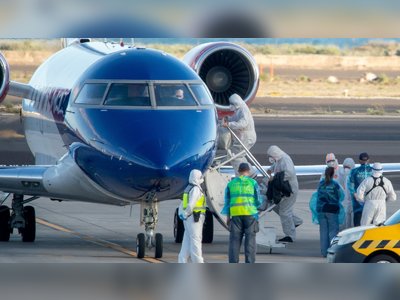
An event-driven public health response has been activated in the United States following the arrival of passengers from a cruise ship linked to potential exposure to hantavirus, a rare but often severe rodent-borne disease.
The response centers on containment, monitoring, and risk assessment rather than confirmed widespread infection, reflecting how modern quarantine systems are deployed when exposure is suspected but not yet fully verified.
What is confirmed is that health authorities implemented quarantine and monitoring procedures for a subset of passengers who disembarked from a cruise vessel after concerns emerged about possible hantavirus exposure during the voyage.
The virus itself is not spread between people in most forms; transmission typically occurs through contact with infected rodent urine, droppings, or saliva, often in enclosed or poorly ventilated environments.
This biological characteristic shapes the response strategy, which prioritizes environmental exposure tracing and symptom surveillance rather than mass isolation.
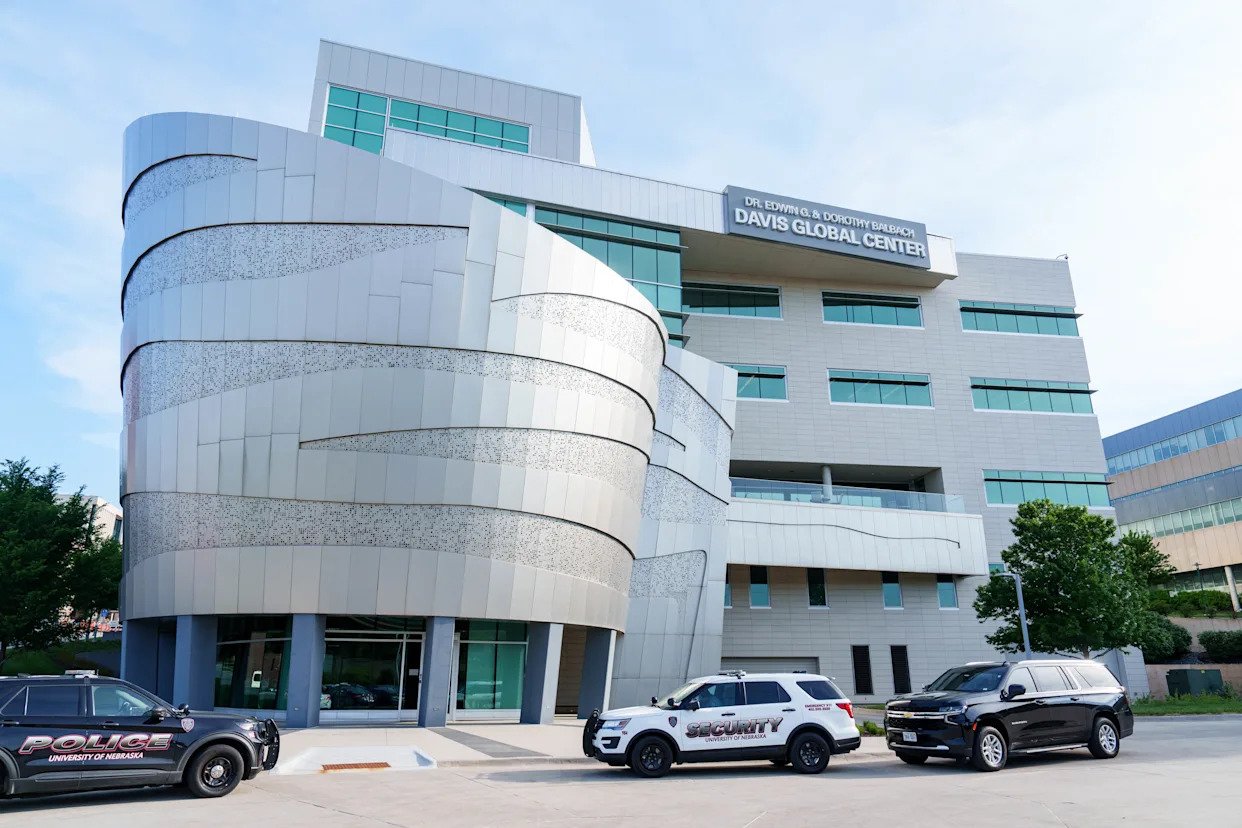
Passengers subject to quarantine are being housed under controlled conditions where health officials can observe for early symptoms, including fever, muscle aches, fatigue, and in severe cases respiratory distress associated with hantavirus pulmonary syndrome.
The incubation period can extend up to several weeks, making extended monitoring necessary even in the absence of immediate symptoms.
Individuals not placed under strict quarantine are still being advised to self-monitor and report any illness indicators.
The key issue driving the response is risk containment in a low-probability but high-severity infection scenario.
Hantavirus infections are rare in the United States but carry a significant fatality rate when they progress to severe respiratory complications.
This creates a public health logic that favors precautionary isolation even when the number of potentially exposed individuals is limited.
Cruise ships present a unique epidemiological environment because of their enclosed infrastructure, shared ventilation systems, and dense population density.
While hantavirus is not typically associated with person-to-person transmission, the presence of rodents in supply chains, ports, or storage areas can introduce contamination risks that are difficult to detect immediately.
This makes post-voyage monitoring a standard precaution in suspected exposure events.
Health authorities are also conducting environmental assessments tied to the vessel’s route, waste handling systems, and port stops to determine whether any point of exposure can be identified.
These investigations are aimed at preventing recurrence rather than responding only to individual passenger risk.
Findings from such reviews often inform sanitation protocols for future voyages.
The broader implications extend into cruise industry health regulation and infectious disease preparedness.
Even rare pathogens like hantavirus can trigger significant operational disruption when linked to mass travel systems, forcing coordination between federal health agencies, port authorities, and private operators.
The economic and logistical consequences are secondary to containment, but they underscore the sensitivity of global travel networks to localized biological risks.
For passengers, quarantine conditions are structured to balance medical oversight with minimal disruption where possible, including access to communication and basic services while limiting external contact.
The duration of monitoring is tied directly to the maximum known incubation period, after which individuals without symptoms are cleared without further restriction.
The situation reinforces a broader public health principle: even low-transmission diseases can require high-intensity response measures when exposure cannot be fully ruled out in high-density travel environments.
The current quarantine operation reflects a precautionary framework designed to prevent rare but serious outcomes from escalating into broader public health events.
The response centers on containment, monitoring, and risk assessment rather than confirmed widespread infection, reflecting how modern quarantine systems are deployed when exposure is suspected but not yet fully verified.
What is confirmed is that health authorities implemented quarantine and monitoring procedures for a subset of passengers who disembarked from a cruise vessel after concerns emerged about possible hantavirus exposure during the voyage.
The virus itself is not spread between people in most forms; transmission typically occurs through contact with infected rodent urine, droppings, or saliva, often in enclosed or poorly ventilated environments.
This biological characteristic shapes the response strategy, which prioritizes environmental exposure tracing and symptom surveillance rather than mass isolation.
Passengers subject to quarantine are being housed under controlled conditions where health officials can observe for early symptoms, including fever, muscle aches, fatigue, and in severe cases respiratory distress associated with hantavirus pulmonary syndrome.
The incubation period can extend up to several weeks, making extended monitoring necessary even in the absence of immediate symptoms.
Individuals not placed under strict quarantine are still being advised to self-monitor and report any illness indicators.
The key issue driving the response is risk containment in a low-probability but high-severity infection scenario.
Hantavirus infections are rare in the United States but carry a significant fatality rate when they progress to severe respiratory complications.
This creates a public health logic that favors precautionary isolation even when the number of potentially exposed individuals is limited.
Cruise ships present a unique epidemiological environment because of their enclosed infrastructure, shared ventilation systems, and dense population density.
While hantavirus is not typically associated with person-to-person transmission, the presence of rodents in supply chains, ports, or storage areas can introduce contamination risks that are difficult to detect immediately.
This makes post-voyage monitoring a standard precaution in suspected exposure events.
Health authorities are also conducting environmental assessments tied to the vessel’s route, waste handling systems, and port stops to determine whether any point of exposure can be identified.
These investigations are aimed at preventing recurrence rather than responding only to individual passenger risk.
Findings from such reviews often inform sanitation protocols for future voyages.
The broader implications extend into cruise industry health regulation and infectious disease preparedness.
Even rare pathogens like hantavirus can trigger significant operational disruption when linked to mass travel systems, forcing coordination between federal health agencies, port authorities, and private operators.
The economic and logistical consequences are secondary to containment, but they underscore the sensitivity of global travel networks to localized biological risks.
For passengers, quarantine conditions are structured to balance medical oversight with minimal disruption where possible, including access to communication and basic services while limiting external contact.
The duration of monitoring is tied directly to the maximum known incubation period, after which individuals without symptoms are cleared without further restriction.
The situation reinforces a broader public health principle: even low-transmission diseases can require high-intensity response measures when exposure cannot be fully ruled out in high-density travel environments.
The current quarantine operation reflects a precautionary framework designed to prevent rare but serious outcomes from escalating into broader public health events.