Focus on the BIG picture.
Wednesday, May 13, 2026
Outside the box.

Trump Says He Doesn’t Factor Americans’ Financial Strain Into Iran War Decisions
Comments made as U.S. inflation rises and war-driven energy costs surge reignite debate over the domestic economic impact of the Iran conflict
A presidential foreign policy decision-making approach has come under scrutiny after President Donald Trump stated that Americans’ financial conditions do not influence his handling of the ongoing war with Iran, underscoring a widening tension between national security objectives and domestic economic pressures.
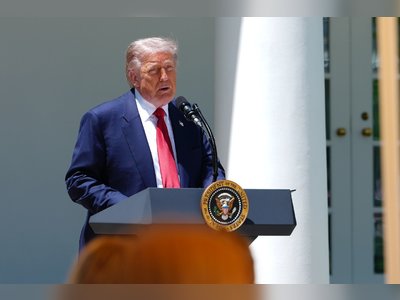
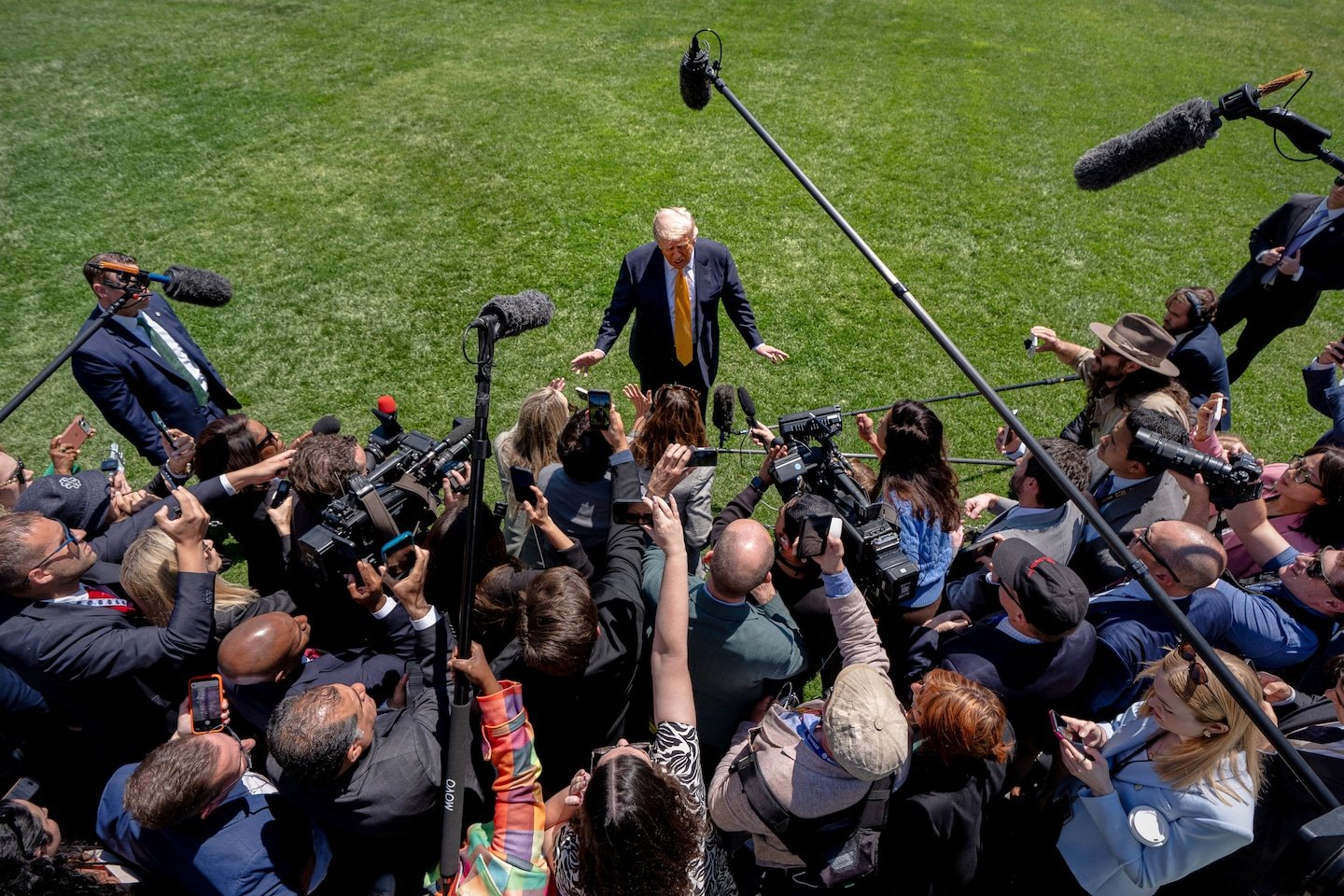
The remarks were made during a White House exchange with reporters as Trump was asked whether rising inflation and higher household costs affected his strategy toward Iran.
He responded that economic conditions in the United States play no role in his calculations, saying he does not think about Americans’ financial situation when making decisions related to the conflict.
What is confirmed is that he framed his priority exclusively around preventing Iran from obtaining a nuclear weapon, describing that objective as the sole factor guiding his policy.
The comments come against a backdrop of sustained economic strain linked to the conflict.
Inflation in the United States has accelerated to its highest level in several years, with official figures showing price increases approaching four percent year-over-year.
Energy markets have been especially affected, with fuel prices rising sharply since the escalation of hostilities and global oil supply disruptions tied to instability in the Middle East.
The Strait of Hormuz, a critical passage for global energy exports, has been a focal point of concern due to reduced shipping stability.
The war itself began with joint U.S. and allied military action against Iranian targets and has since evolved into a broader regional confrontation involving intermittent ceasefires, stalled diplomatic negotiations, and continued pressure on global energy infrastructure.
The conflict has also generated significant debate in Washington over its financial cost, estimated in the tens of billions of dollars, and its downstream impact on inflation, consumer prices, and supply chains.
Trump’s remarks have intensified domestic political debate over the trade-off between foreign policy objectives and household economic conditions.
Supporters of the administration argue that preventing nuclear escalation in the region justifies economic disruption, while critics argue that the administration is underweighting the direct financial consequences borne by American households.
The White House has maintained that national security remains the primary driver of its approach, stating that preventing nuclear proliferation is essential to protecting the United States.
That position has not changed following the latest remarks, which reinforce the administration’s emphasis on strategic military and geopolitical goals over short-term domestic economic pressures.
As the conflict continues and inflationary pressures persist, policymakers are now facing simultaneous challenges of stabilizing international security conditions while managing the domestic economic fallout of sustained global energy disruption.
The result is an increasingly direct link between foreign policy decisions and everyday cost-of-living conditions for American households.
The remarks were made during a White House exchange with reporters as Trump was asked whether rising inflation and higher household costs affected his strategy toward Iran.
He responded that economic conditions in the United States play no role in his calculations, saying he does not think about Americans’ financial situation when making decisions related to the conflict.
What is confirmed is that he framed his priority exclusively around preventing Iran from obtaining a nuclear weapon, describing that objective as the sole factor guiding his policy.
The comments come against a backdrop of sustained economic strain linked to the conflict.
Inflation in the United States has accelerated to its highest level in several years, with official figures showing price increases approaching four percent year-over-year.
Energy markets have been especially affected, with fuel prices rising sharply since the escalation of hostilities and global oil supply disruptions tied to instability in the Middle East.
The Strait of Hormuz, a critical passage for global energy exports, has been a focal point of concern due to reduced shipping stability.
The war itself began with joint U.S. and allied military action against Iranian targets and has since evolved into a broader regional confrontation involving intermittent ceasefires, stalled diplomatic negotiations, and continued pressure on global energy infrastructure.
The conflict has also generated significant debate in Washington over its financial cost, estimated in the tens of billions of dollars, and its downstream impact on inflation, consumer prices, and supply chains.
Trump’s remarks have intensified domestic political debate over the trade-off between foreign policy objectives and household economic conditions.
Supporters of the administration argue that preventing nuclear escalation in the region justifies economic disruption, while critics argue that the administration is underweighting the direct financial consequences borne by American households.
The White House has maintained that national security remains the primary driver of its approach, stating that preventing nuclear proliferation is essential to protecting the United States.
That position has not changed following the latest remarks, which reinforce the administration’s emphasis on strategic military and geopolitical goals over short-term domestic economic pressures.
As the conflict continues and inflationary pressures persist, policymakers are now facing simultaneous challenges of stabilizing international security conditions while managing the domestic economic fallout of sustained global energy disruption.
The result is an increasingly direct link between foreign policy decisions and everyday cost-of-living conditions for American households.