
Focus on the BIG picture.
Wednesday, Aug 26, 2026
Outside the box.

France Reschedules G7 Summit to Avoid Clashing With Trump’s White House UFC Celebration
Annual meeting of world leaders shifts dates so President Trump can attend UFC event tied to America’s 250th birthday
France has postponed the 2026 Group of Seven leaders’ summit by one day to avoid a scheduling conflict with a major mixed martial arts event at the White House, an adjustment that reflects the growing interplay of global diplomacy and high-profile national celebrations.
The summit, originally set for June fourteen to sixteen in Évian-les-Bains, will now run from June fifteen to seventeen, allowing world leaders—including President Donald Trump—to attend festivities on June fourteen, which coincide with the United States’ semiquincentennial and Trump’s eightieth birthday.
The rescheduling was confirmed after consultations among G7 partners, with French President Emmanuel Macron’s office stating the revised dates were agreed to accommodate international discussions without overlap.
A White House official noted that partners felt the president’s presence at the summit was essential and were supportive of a shift in schedule.
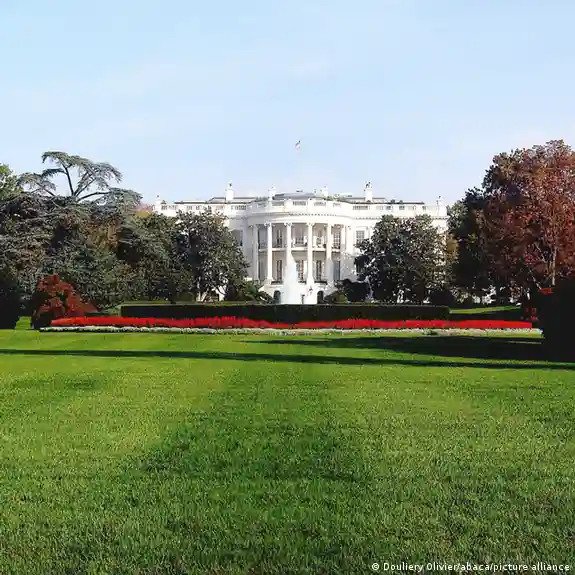
The change comes amid preparations for a UFC-branded sporting event planned for the White House South Lawn, expected to draw thousands of attendees and significant media attention.
The White House celebration, part of a series of events marking two hundred and fifty years since American independence, will feature a high-profile Ultimate Fighting Championship card, with seating on the South Lawn and expanded viewing areas nearby.
UFC President Dana White has highlighted the scale of the event and its historic nature, though details on bout line-ups remain forthcoming.
For G7 leaders, the summit presents an opportunity to advance talks on energy, economic development and security cooperation.
Postponing the meeting’s opening day is seen by diplomats as a pragmatic response to the dense June schedule, ensuring that key discussions are not overshadowed by the celebrations.
The leaders are expected to focus on pressing global challenges while reaffirming their commitment to collective action.
The adjustment has also prompted commentary on the influence of domestic celebrations on international diplomacy, underscoring how national moments can intersect with multilateral commitments.
By revising the summit dates, G7 participants have signalled flexibility in upholding diplomatic continuity while recognising significant national events.
The summit, originally set for June fourteen to sixteen in Évian-les-Bains, will now run from June fifteen to seventeen, allowing world leaders—including President Donald Trump—to attend festivities on June fourteen, which coincide with the United States’ semiquincentennial and Trump’s eightieth birthday.
The rescheduling was confirmed after consultations among G7 partners, with French President Emmanuel Macron’s office stating the revised dates were agreed to accommodate international discussions without overlap.
A White House official noted that partners felt the president’s presence at the summit was essential and were supportive of a shift in schedule.
The change comes amid preparations for a UFC-branded sporting event planned for the White House South Lawn, expected to draw thousands of attendees and significant media attention.
The White House celebration, part of a series of events marking two hundred and fifty years since American independence, will feature a high-profile Ultimate Fighting Championship card, with seating on the South Lawn and expanded viewing areas nearby.
UFC President Dana White has highlighted the scale of the event and its historic nature, though details on bout line-ups remain forthcoming.
For G7 leaders, the summit presents an opportunity to advance talks on energy, economic development and security cooperation.
Postponing the meeting’s opening day is seen by diplomats as a pragmatic response to the dense June schedule, ensuring that key discussions are not overshadowed by the celebrations.
The leaders are expected to focus on pressing global challenges while reaffirming their commitment to collective action.
The adjustment has also prompted commentary on the influence of domestic celebrations on international diplomacy, underscoring how national moments can intersect with multilateral commitments.
By revising the summit dates, G7 participants have signalled flexibility in upholding diplomatic continuity while recognising significant national events.