Focus on the BIG picture.
Wednesday, May 06, 2026
Outside the box.

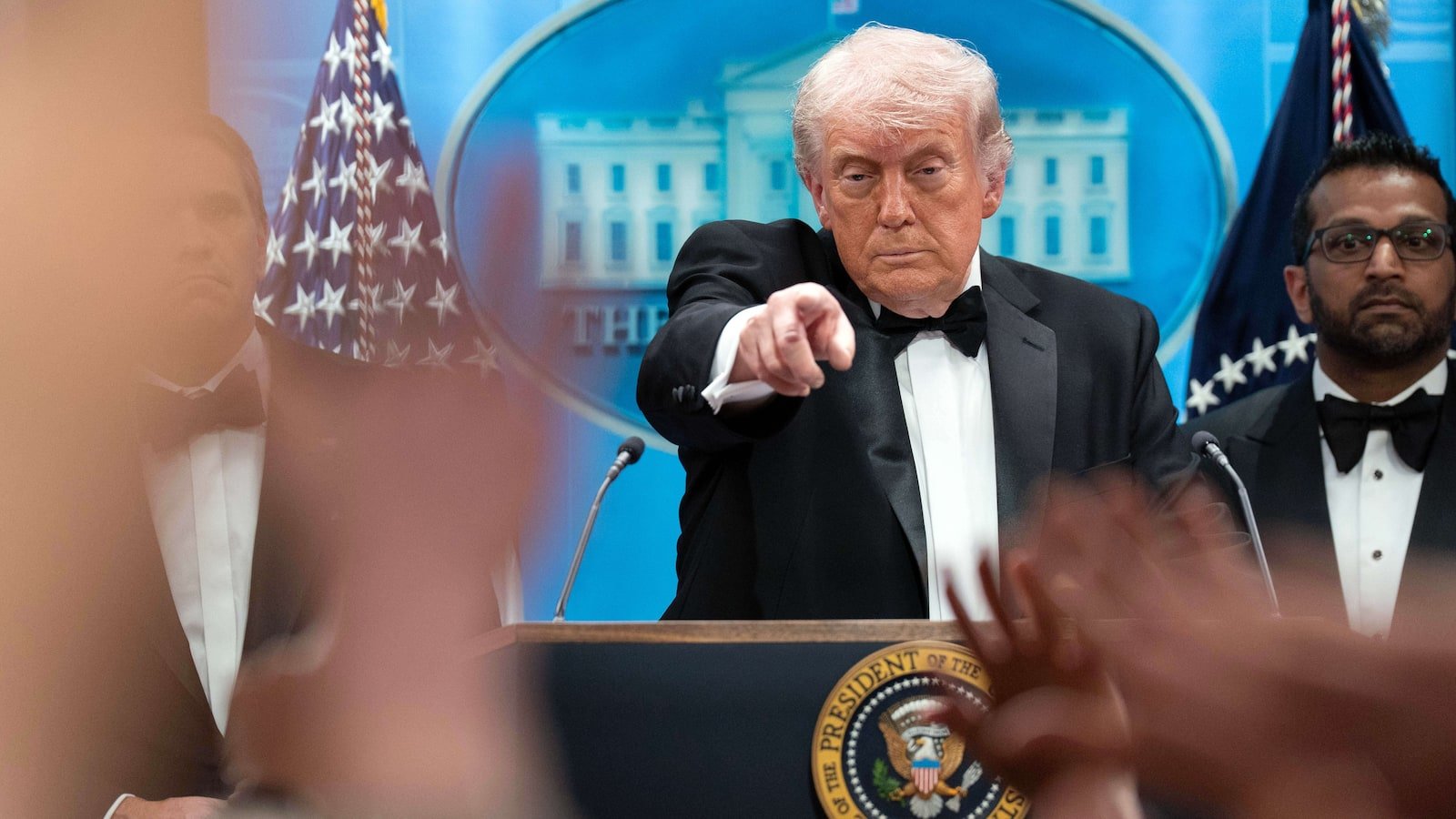
GOP Proposal for $1 Billion White House Security Upgrade Sparks Political Clash Over Ballroom Plans
Lawmakers push major funding package for White House security improvements as debate intensifies over whether redesign plans prioritize protection or prestige
A Republican-led funding proposal allocating one billion dollars for White House security upgrades has triggered a political dispute in Washington, with critics questioning whether the package is being used to advance unrelated renovation plans tied to a proposed ballroom addition.
What is confirmed is that GOP lawmakers have advanced a budget proposal that includes significant funding aimed at strengthening security infrastructure at the White House complex.
The proposal is framed as a response to rising concerns over physical security risks, aging protective systems, and the need to modernize barriers, surveillance, and access control around one of the most heavily protected government sites in the world.
However, the initiative has quickly become politically contentious due to its overlap with discussions about broader structural changes to the White House grounds, including a proposed ballroom project.
Critics argue that the scale and framing of the funding package could enable large-scale aesthetic or ceremonial construction projects under the justification of security enhancement.
Supporters counter that modernization of executive security infrastructure often includes structural redesigns that can serve both functional and operational purposes.
At the center of the dispute is how federal funds for executive security are defined and allocated.
White House security upgrades typically involve coordination between the Secret Service, the Department of Homeland Security, and congressional appropriations committees.
These projects can include hardened entry points, advanced surveillance systems, secure communications upgrades, and structural modifications designed to mitigate evolving threats ranging from physical intrusion to drone-based surveillance and cyber-physical vulnerabilities.
The ballroom controversy stems from separate but politically connected discussions about expanding formal event space within the White House complex.
While such projects have been floated in various forms over the years, critics of the current proposal argue that linking large-scale architectural additions to security funding risks blurring the line between operational necessity and political prestige projects.
Lawmakers supporting the funding package say the priority is addressing long-term vulnerabilities in a facility that serves as both residence and operational headquarters for the U.S. presidency.
They argue that security architecture in high-risk government buildings often evolves in ways that incorporate expanded structural elements, making strict separation between "security" and "construction" increasingly artificial.
Opposition voices, including some Democrats and government oversight advocates, are calling for stricter oversight and clearer separation of security-related funding from discretionary capital improvements.
They warn that without clear safeguards, large appropriations could be used to advance projects that extend beyond their stated security justification.
The proposal remains under congressional review and would require approval through the federal appropriations process before any funds are released.
Any eventual construction or redesign work would also require coordination with the National Capital Planning Commission and relevant federal security agencies, ensuring that final decisions remain subject to multiple layers of oversight and regulatory approval.
What is confirmed is that GOP lawmakers have advanced a budget proposal that includes significant funding aimed at strengthening security infrastructure at the White House complex.
The proposal is framed as a response to rising concerns over physical security risks, aging protective systems, and the need to modernize barriers, surveillance, and access control around one of the most heavily protected government sites in the world.
However, the initiative has quickly become politically contentious due to its overlap with discussions about broader structural changes to the White House grounds, including a proposed ballroom project.
Critics argue that the scale and framing of the funding package could enable large-scale aesthetic or ceremonial construction projects under the justification of security enhancement.
Supporters counter that modernization of executive security infrastructure often includes structural redesigns that can serve both functional and operational purposes.
At the center of the dispute is how federal funds for executive security are defined and allocated.
White House security upgrades typically involve coordination between the Secret Service, the Department of Homeland Security, and congressional appropriations committees.
These projects can include hardened entry points, advanced surveillance systems, secure communications upgrades, and structural modifications designed to mitigate evolving threats ranging from physical intrusion to drone-based surveillance and cyber-physical vulnerabilities.
The ballroom controversy stems from separate but politically connected discussions about expanding formal event space within the White House complex.
While such projects have been floated in various forms over the years, critics of the current proposal argue that linking large-scale architectural additions to security funding risks blurring the line between operational necessity and political prestige projects.
Lawmakers supporting the funding package say the priority is addressing long-term vulnerabilities in a facility that serves as both residence and operational headquarters for the U.S. presidency.
They argue that security architecture in high-risk government buildings often evolves in ways that incorporate expanded structural elements, making strict separation between "security" and "construction" increasingly artificial.
Opposition voices, including some Democrats and government oversight advocates, are calling for stricter oversight and clearer separation of security-related funding from discretionary capital improvements.
They warn that without clear safeguards, large appropriations could be used to advance projects that extend beyond their stated security justification.
The proposal remains under congressional review and would require approval through the federal appropriations process before any funds are released.
Any eventual construction or redesign work would also require coordination with the National Capital Planning Commission and relevant federal security agencies, ensuring that final decisions remain subject to multiple layers of oversight and regulatory approval.