Focus on the BIG picture.
Wednesday, May 06, 2026
Outside the box.

U.S. Signals Limited Military Mission to Secure Strait of Hormuz as Tensions Rise
Defense leadership outlines temporary operation to safeguard global oil corridor amid escalating regional threats
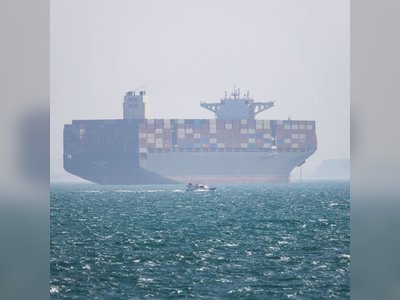
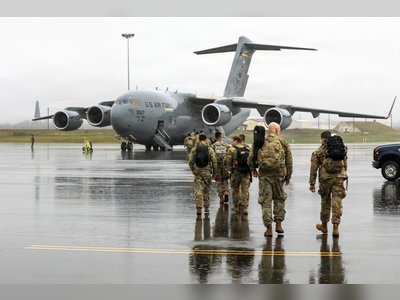
The U.S. Department of Defense is preparing a temporary military mission to secure navigation through the Strait of Hormuz, a critical global oil transit chokepoint, as regional instability and recent attacks threaten the flow of energy supplies.
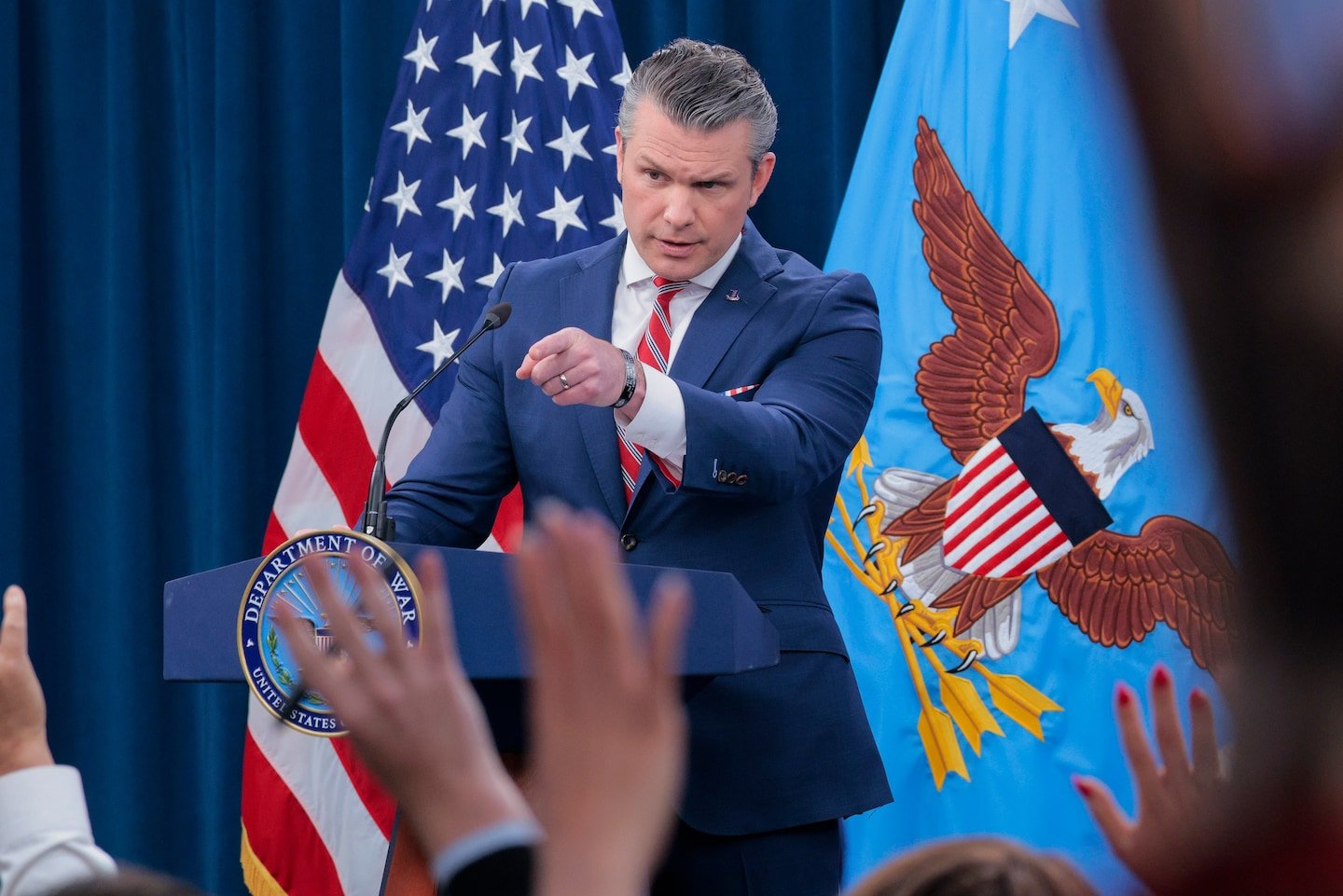
What is confirmed is that U.S. defense leadership has described the planned operation as limited in duration and scope, focused specifically on ensuring safe passage for commercial shipping through the narrow waterway connecting the Persian Gulf to global markets.
The statement reflects growing concern that escalating tensions involving Iran and affiliated armed groups could disrupt one of the world’s most strategically vital maritime corridors.
The Strait of Hormuz carries a significant share of the world’s seaborne oil exports, making it highly sensitive to even short-term disruptions.
Recent incidents involving attacks on vessels, harassment of commercial ships, and seizures have increased insurance costs, diverted shipping routes, and heightened volatility in global energy markets.
The U.S. mission is designed to deter further interference by establishing a visible security presence and, if necessary, escorting vulnerable vessels.
The operational model draws on previous maritime security efforts in the region, where U.S. naval forces coordinated with allied countries to monitor traffic, share intelligence, and respond to threats.
However, the emphasis on a temporary deployment signals an attempt to avoid long-term military entanglement while still stabilizing the situation.
The announcement comes amid intensified rhetoric between Washington and Tehran, with both sides accusing each other of destabilizing actions.
Iran has historically asserted control over parts of the Strait and has used the threat of closure as leverage in geopolitical disputes.
At the same time, it maintains that it supports freedom of navigation under international law, creating a dual messaging strategy that complicates crisis management.
The key issue is whether a short-term U.S. deployment can effectively deter further attacks without escalating into a broader confrontation.
A visible military presence can reduce immediate risk to shipping but may also be perceived as a provocation by Iranian forces or allied militias, increasing the chance of miscalculation.
For global markets, the stakes are immediate.
Even limited disruption in the Strait of Hormuz can trigger sharp increases in oil prices, affect supply chains, and strain economies dependent on stable energy imports.
The U.S. move is therefore as much about economic stability as it is about military deterrence.
The Pentagon has indicated that the mission will be reassessed based on evolving conditions, including threat levels and the behavior of regional actors.
Any extension or expansion would depend on whether attacks continue and whether diplomatic efforts succeed in reducing tensions.
The decision to frame the mission as temporary underscores a broader U.S. strategy of balancing deterrence with restraint, aiming to secure critical infrastructure without committing to an open-ended military presence in a volatile region.
What is confirmed is that U.S. defense leadership has described the planned operation as limited in duration and scope, focused specifically on ensuring safe passage for commercial shipping through the narrow waterway connecting the Persian Gulf to global markets.
The statement reflects growing concern that escalating tensions involving Iran and affiliated armed groups could disrupt one of the world’s most strategically vital maritime corridors.
The Strait of Hormuz carries a significant share of the world’s seaborne oil exports, making it highly sensitive to even short-term disruptions.
Recent incidents involving attacks on vessels, harassment of commercial ships, and seizures have increased insurance costs, diverted shipping routes, and heightened volatility in global energy markets.
The U.S. mission is designed to deter further interference by establishing a visible security presence and, if necessary, escorting vulnerable vessels.
The operational model draws on previous maritime security efforts in the region, where U.S. naval forces coordinated with allied countries to monitor traffic, share intelligence, and respond to threats.
However, the emphasis on a temporary deployment signals an attempt to avoid long-term military entanglement while still stabilizing the situation.
The announcement comes amid intensified rhetoric between Washington and Tehran, with both sides accusing each other of destabilizing actions.
Iran has historically asserted control over parts of the Strait and has used the threat of closure as leverage in geopolitical disputes.
At the same time, it maintains that it supports freedom of navigation under international law, creating a dual messaging strategy that complicates crisis management.
The key issue is whether a short-term U.S. deployment can effectively deter further attacks without escalating into a broader confrontation.
A visible military presence can reduce immediate risk to shipping but may also be perceived as a provocation by Iranian forces or allied militias, increasing the chance of miscalculation.
For global markets, the stakes are immediate.
Even limited disruption in the Strait of Hormuz can trigger sharp increases in oil prices, affect supply chains, and strain economies dependent on stable energy imports.
The U.S. move is therefore as much about economic stability as it is about military deterrence.
The Pentagon has indicated that the mission will be reassessed based on evolving conditions, including threat levels and the behavior of regional actors.
Any extension or expansion would depend on whether attacks continue and whether diplomatic efforts succeed in reducing tensions.
The decision to frame the mission as temporary underscores a broader U.S. strategy of balancing deterrence with restraint, aiming to secure critical infrastructure without committing to an open-ended military presence in a volatile region.