Focus on the BIG picture.
Tuesday, Apr 14, 2026
Outside the box.

ICE to Spend $38.3 Billion Converting Warehouses into Immigration Detention Facilities
Federal plan would dramatically expand detention capacity through large-scale warehouse retrofits amid enforcement surge
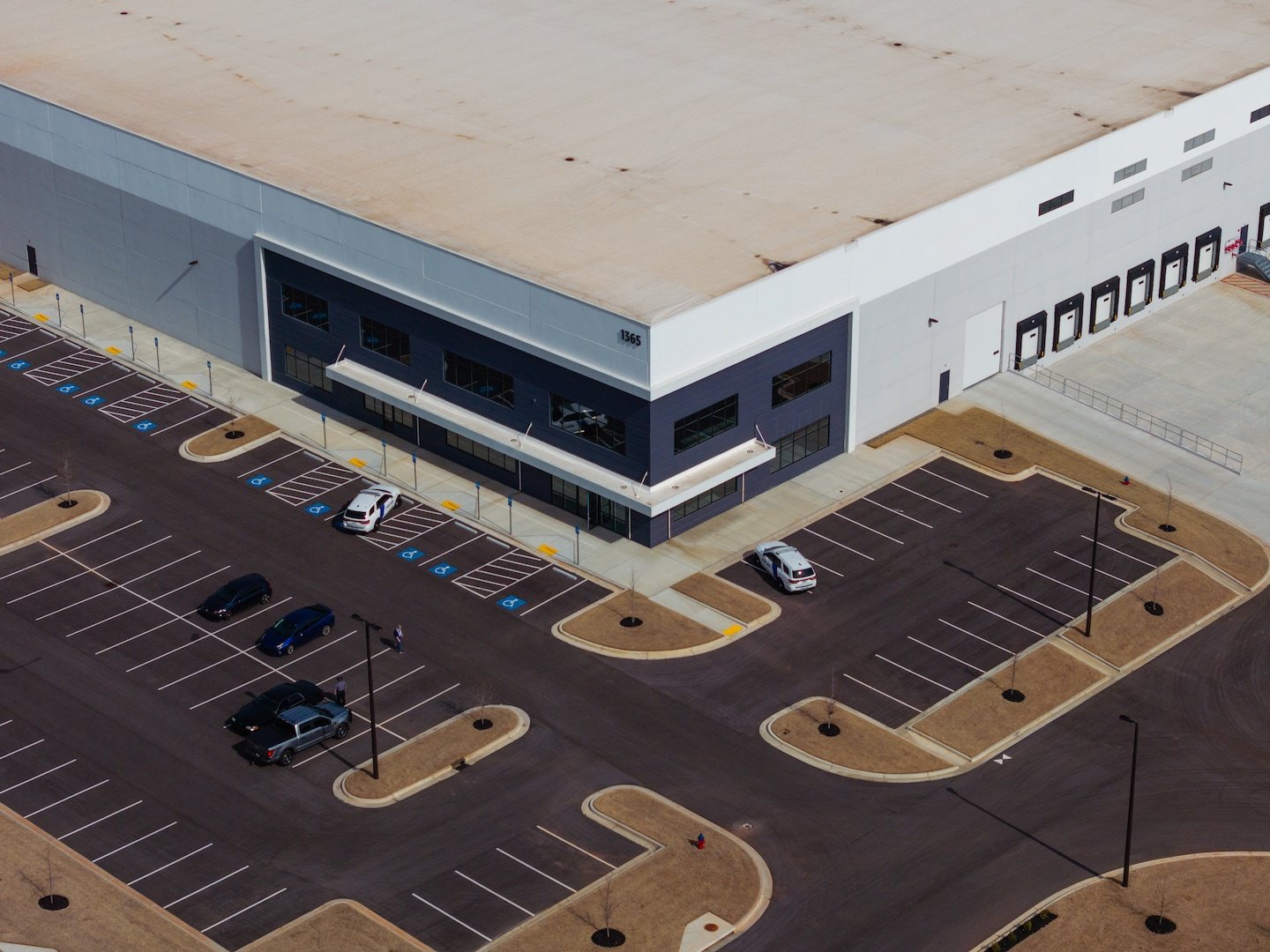
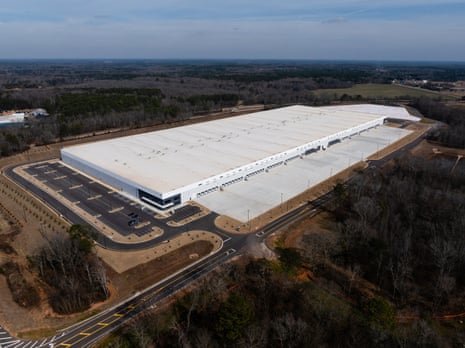
U.S. Immigration and Customs Enforcement is advancing a sweeping plan to convert commercial warehouses across the country into a new network of immigration detention facilities, backed by an estimated 38.3 billion dollars in congressional funding to support expanded enforcement operations.
Planning documents indicate the strategy would establish a tiered system of regional processing centers and larger long-term detention hubs.
Under the proposal, approximately sixteen processing sites would each hold between one thousand and one thousand five hundred detainees for short stays.
An additional eight larger facilities would be designed to house between seven thousand and ten thousand individuals for longer periods pending deportation proceedings.
Officials involved in the initiative say individuals apprehended by federal agents would typically remain at processing centers for up to one week before being transferred to larger facilities, where average stays of up to sixty days are anticipated.
The expansion is intended to increase national detention capacity to roughly ninety-two thousand beds, significantly boosting the agency’s logistical capabilities.
Supporters of the plan argue that expanded infrastructure is necessary in light of increased staffing levels and rising arrest numbers.
The funding was authorized as part of a broader legislative package allocating substantial resources to border security and immigration enforcement.
However, the proposal has generated resistance from state and local leaders in several regions identified for potential sites.
Some officials have questioned whether adequate consultation occurred prior to federal planning decisions.
Others have raised concerns about infrastructure strain, medical readiness and the suitability of industrial properties for prolonged detention.
Civil liberties advocates contend that warehouses must meet strict health, safety and humane standards if used to house detainees, citing ventilation, sanitation and medical access requirements.
In several communities, residents have organized opposition campaigns, and local authorities are examining zoning and regulatory options.
The initiative represents one of the largest investments in immigration detention infrastructure in U.S. history, and its implementation is expected to remain a central focus in national immigration debates.
Planning documents indicate the strategy would establish a tiered system of regional processing centers and larger long-term detention hubs.
Under the proposal, approximately sixteen processing sites would each hold between one thousand and one thousand five hundred detainees for short stays.
An additional eight larger facilities would be designed to house between seven thousand and ten thousand individuals for longer periods pending deportation proceedings.
Officials involved in the initiative say individuals apprehended by federal agents would typically remain at processing centers for up to one week before being transferred to larger facilities, where average stays of up to sixty days are anticipated.
The expansion is intended to increase national detention capacity to roughly ninety-two thousand beds, significantly boosting the agency’s logistical capabilities.
Supporters of the plan argue that expanded infrastructure is necessary in light of increased staffing levels and rising arrest numbers.
The funding was authorized as part of a broader legislative package allocating substantial resources to border security and immigration enforcement.
However, the proposal has generated resistance from state and local leaders in several regions identified for potential sites.
Some officials have questioned whether adequate consultation occurred prior to federal planning decisions.
Others have raised concerns about infrastructure strain, medical readiness and the suitability of industrial properties for prolonged detention.
Civil liberties advocates contend that warehouses must meet strict health, safety and humane standards if used to house detainees, citing ventilation, sanitation and medical access requirements.
In several communities, residents have organized opposition campaigns, and local authorities are examining zoning and regulatory options.
The initiative represents one of the largest investments in immigration detention infrastructure in U.S. history, and its implementation is expected to remain a central focus in national immigration debates.