Focus on the BIG picture.
Tuesday, May 26, 2026
Outside the box.

0:00
0:00
White House Defends Trump’s Decision on Iran, Citing President’s Instinct About Imminent Threat
Administration argues President Donald Trump acted decisively based on warnings of danger from Iran as debate intensifies over the justification for U.S. military strikes.
The White House has defended President Donald Trump’s decision to authorize military strikes against Iran, arguing that the president acted decisively based on his conviction that an imminent threat was emerging from Tehran.
Officials close to the administration said the president believed Iran’s expanding missile capabilities and nuclear ambitions posed a rapidly escalating danger to the United States and its allies.
According to administration figures, Trump concluded that the situation demanded immediate action to prevent a potential attack and to eliminate what he described as a growing strategic threat.
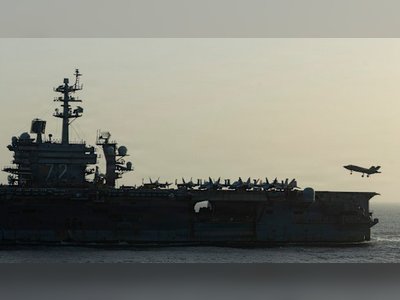
The military campaign, launched in late February as part of a broader confrontation with Iran, targeted key military infrastructure and leadership figures.
The operation was presented by the administration as a preemptive move designed to neutralize Iran’s ability to threaten American forces, regional partners, and global security.
Trump himself has said the Iranian regime’s expanding missile program and its pursuit of advanced weapons capabilities created a danger that could soon reach beyond the Middle East.
He argued that acting early offered the best opportunity to prevent the development of weapons capable of threatening U.S. territory and allied nations.
White House officials have emphasized that the president’s leadership reflected a willingness to respond firmly to long-standing regional threats.
The administration maintains that decades of Iranian hostility toward the United States and its allies, combined with Tehran’s network of proxy forces and missile development, justified decisive action.
The explanation has also fueled debate in Washington over how the decision was reached and what intelligence assessments showed before the operation.
Some lawmakers have sought additional briefings and pushed for congressional votes addressing the scope of military action against Iran.
Despite these political disputes, administration officials continue to insist that the operation was necessary to safeguard national security and protect American interests abroad.
They argue that the president’s determination to act prevented Iran from further advancing capabilities that could destabilize the region.
As the conflict continues to shape international politics, the administration’s explanation underscores the central role of presidential judgment in moments of crisis.
For supporters of the decision, the episode illustrates what they describe as Trump’s readiness to act quickly when faced with potential threats to the United States and its allies.
Officials close to the administration said the president believed Iran’s expanding missile capabilities and nuclear ambitions posed a rapidly escalating danger to the United States and its allies.
According to administration figures, Trump concluded that the situation demanded immediate action to prevent a potential attack and to eliminate what he described as a growing strategic threat.
The military campaign, launched in late February as part of a broader confrontation with Iran, targeted key military infrastructure and leadership figures.
The operation was presented by the administration as a preemptive move designed to neutralize Iran’s ability to threaten American forces, regional partners, and global security.
Trump himself has said the Iranian regime’s expanding missile program and its pursuit of advanced weapons capabilities created a danger that could soon reach beyond the Middle East.
He argued that acting early offered the best opportunity to prevent the development of weapons capable of threatening U.S. territory and allied nations.
White House officials have emphasized that the president’s leadership reflected a willingness to respond firmly to long-standing regional threats.
The administration maintains that decades of Iranian hostility toward the United States and its allies, combined with Tehran’s network of proxy forces and missile development, justified decisive action.
The explanation has also fueled debate in Washington over how the decision was reached and what intelligence assessments showed before the operation.
Some lawmakers have sought additional briefings and pushed for congressional votes addressing the scope of military action against Iran.
Despite these political disputes, administration officials continue to insist that the operation was necessary to safeguard national security and protect American interests abroad.
They argue that the president’s determination to act prevented Iran from further advancing capabilities that could destabilize the region.
As the conflict continues to shape international politics, the administration’s explanation underscores the central role of presidential judgment in moments of crisis.
For supporters of the decision, the episode illustrates what they describe as Trump’s readiness to act quickly when faced with potential threats to the United States and its allies.