Focus on the BIG picture.
Wednesday, Jan 28, 2026
Outside the box.

NTSB Chair Condemns FAA for Ignoring Warnings in Fatal Washington Midair Collision
Investigation into the DC crash finds systemic airspace failures and repeated unheeded warnings preceding the accident
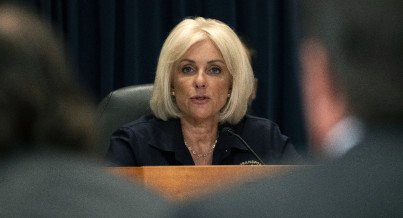
The head of the National Transportation Safety Board sharply criticised the Federal Aviation Administration during public hearings as part of the ongoing investigation into a midair collision near Washington, D.C., that killed 67 people on January 29, 2025. NTSB Chair Jennifer Homendy described long-standing systemic failures, ignored warnings and bureaucratic inertia at the FAA that she said contributed to the deadliest U.S. aviation accident in more than two decades.
The collision involved an Army Black Hawk helicopter and an American Airlines regional jet on approach to Ronald Reagan Washington National Airport.
Both aircraft crashed into the Potomac River, killing all aboard.
During testimony, Homendy said that air traffic controllers and other personnel had repeatedly flagged safety concerns about helicopter traffic sharing airspace with commercial flights for years, but that management at the FAA failed to act on those warnings.
“Repeated recommendations over the years … went unheard, squashed … stuck in red tape and bureaucracy of a very large organization,” she said, emphasising that data showing hazardous proximity events had existed long before the accident.
Investigators cited more than 15 thousand air separation incidents involving helicopters and fixed-wing aircraft near the airport between October 2021 and December 2024, and noted that inadequate separation standards and charting of helicopter routes left pilots unaware of potential conflicts.
Homendy expressed disbelief that the FAA did not recognise the risks posed by the helicopter route used on the night of the crash, despite repeated internal alerts from controllers and safety personnel.
The NTSB’s investigation has also examined air traffic control staffing and procedures, coordination between agencies and the absence of key safety measures such as comprehensive collision-avoidance technology.
In response to the crash and subsequent findings, the FAA has implemented changes including closing the helicopter route involved in the accident, banning non-essential helicopter flights near the airport, reducing arrival rates for commercial aircraft and strengthening controller staffing.
However, the hearings underscored a perception among investigators that these reforms came only after a catastrophic loss of life.
Homendy’s remarks reflect broader concerns about aviation safety oversight and the need for systemic improvements in how airspace risks are identified and mitigated.
She and other NTSB members reiterated that future crashes could be prevented if data on close calls and near-misses were analysed effectively and acted upon promptly.
The ongoing scrutiny has prompted calls from lawmakers and industry groups for enhanced safety legislation, including measures to mandate advanced aircraft location technology and strengthen oversight of complex airspace operations.
The collision involved an Army Black Hawk helicopter and an American Airlines regional jet on approach to Ronald Reagan Washington National Airport.
Both aircraft crashed into the Potomac River, killing all aboard.
During testimony, Homendy said that air traffic controllers and other personnel had repeatedly flagged safety concerns about helicopter traffic sharing airspace with commercial flights for years, but that management at the FAA failed to act on those warnings.
“Repeated recommendations over the years … went unheard, squashed … stuck in red tape and bureaucracy of a very large organization,” she said, emphasising that data showing hazardous proximity events had existed long before the accident.
Investigators cited more than 15 thousand air separation incidents involving helicopters and fixed-wing aircraft near the airport between October 2021 and December 2024, and noted that inadequate separation standards and charting of helicopter routes left pilots unaware of potential conflicts.
Homendy expressed disbelief that the FAA did not recognise the risks posed by the helicopter route used on the night of the crash, despite repeated internal alerts from controllers and safety personnel.
The NTSB’s investigation has also examined air traffic control staffing and procedures, coordination between agencies and the absence of key safety measures such as comprehensive collision-avoidance technology.
In response to the crash and subsequent findings, the FAA has implemented changes including closing the helicopter route involved in the accident, banning non-essential helicopter flights near the airport, reducing arrival rates for commercial aircraft and strengthening controller staffing.
However, the hearings underscored a perception among investigators that these reforms came only after a catastrophic loss of life.
Homendy’s remarks reflect broader concerns about aviation safety oversight and the need for systemic improvements in how airspace risks are identified and mitigated.
She and other NTSB members reiterated that future crashes could be prevented if data on close calls and near-misses were analysed effectively and acted upon promptly.
The ongoing scrutiny has prompted calls from lawmakers and industry groups for enhanced safety legislation, including measures to mandate advanced aircraft location technology and strengthen oversight of complex airspace operations.