Focus on the BIG picture.
Wednesday, Jan 07, 2026
Outside the box.


Rubio Says U.S. Is ‘Not at War’ With Venezuela After Maduro’s Capture, Emphasising Counter-Drug Mission
U.S. Secretary of State stresses that Washington’s operation targets criminal networks and narco-terrorism, not a conflict with the Venezuelan state
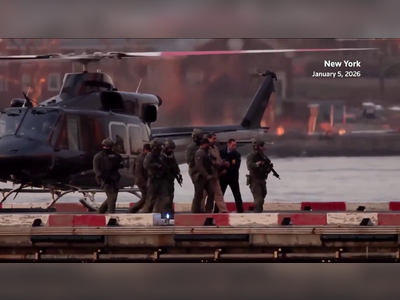
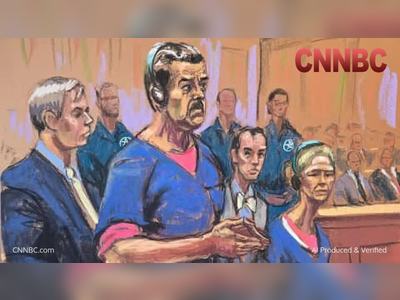
U.S. Secretary of State Marco Rubio has clarified that the United States is not engaged in a war against Venezuela following the dramatic U.S. operation that resulted in the capture of Venezuelan President Nicolás Maduro and his transfer to New York to face federal charges.
In televised remarks, Rubio framed the mission as part of an effort to disrupt drug trafficking organisations and promote long-term changes in Venezuela, emphasising that the United States’ actions are not intended as a conflict with the Venezuelan people or nation.
Speaking on NBC’s “Meet the Press,” Rubio underscored that U.S. forces were operating in what he described as a law-enforcement capacity rooted in an existing indictment against Maduro, rather than engaging in a conventional military invasion or protracted combat against Venezuela as a state.
He reiterated that the primary focus is to confront drug cartels and criminal elements that Washington says have used Venezuelan territory and state apparatus for illicit trafficking into the United States.
Rubio maintained that the United States will continue to leverage policy and economic measures, including an oil embargo, to encourage reforms and reduce conditions that facilitate drug distribution.
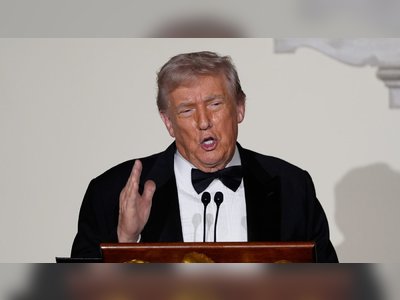
Rubio’s clarification came amid contrasting statements by President Donald Trump, who in the wake of the operation had suggested the United States would “run” Venezuela until a transition could be secured and has threatened further measures against leaders deemed uncooperative.
Rubio sought to temper concerns about U.S. intentions, asserting that the United States does not plan to govern Venezuela’s internal affairs.
Instead, he described Washington’s posture as focused on “changes in Venezuela” that are aligned with American national interests, including curbing narcotics flows and weakening criminal influence tied to the Maduro regime.
The Venezuelan context remains deeply fluid, with Vice-President Delcy Rodríguez having been declared interim president by Caracas institutions after Maduro’s capture and subsequently issuing statements rejecting U.S. claims of authority or influence.
Rodríguez later indicated a conditional willingness to engage with the United States, even as Caracas has condemned the U.S. operation as an infringement on sovereignty.
Meanwhile, the U.S. maintained a naval “quarantine” around Venezuela’s sanctioned oil tankers, a policy Rubio reiterated as a key tool of leverage rather than an act of war.
Rubio’s remarks are part of broader efforts by the Trump administration to frame the intervention as a targeted law-enforcement operation linked to longstanding indictments against Maduro for drug-related crimes, rather than a full-scale military campaign.
The distinction is significant in Washington’s messaging to both domestic audiences and international partners, at a time when regional governments and global institutions are scrutinising the legality and implications of the U.S. action.
As the Maduro case moves forward and U.S. policy continues to evolve, Rubio’s emphasis on counter-drug aims and institutional change underscores a strategic narrative aimed at limiting perceptions of a direct confrontation between the United States and Venezuela as a sovereign state.
In televised remarks, Rubio framed the mission as part of an effort to disrupt drug trafficking organisations and promote long-term changes in Venezuela, emphasising that the United States’ actions are not intended as a conflict with the Venezuelan people or nation.
Speaking on NBC’s “Meet the Press,” Rubio underscored that U.S. forces were operating in what he described as a law-enforcement capacity rooted in an existing indictment against Maduro, rather than engaging in a conventional military invasion or protracted combat against Venezuela as a state.
He reiterated that the primary focus is to confront drug cartels and criminal elements that Washington says have used Venezuelan territory and state apparatus for illicit trafficking into the United States.
Rubio maintained that the United States will continue to leverage policy and economic measures, including an oil embargo, to encourage reforms and reduce conditions that facilitate drug distribution.
Rubio’s clarification came amid contrasting statements by President Donald Trump, who in the wake of the operation had suggested the United States would “run” Venezuela until a transition could be secured and has threatened further measures against leaders deemed uncooperative.
Rubio sought to temper concerns about U.S. intentions, asserting that the United States does not plan to govern Venezuela’s internal affairs.
Instead, he described Washington’s posture as focused on “changes in Venezuela” that are aligned with American national interests, including curbing narcotics flows and weakening criminal influence tied to the Maduro regime.
The Venezuelan context remains deeply fluid, with Vice-President Delcy Rodríguez having been declared interim president by Caracas institutions after Maduro’s capture and subsequently issuing statements rejecting U.S. claims of authority or influence.
Rodríguez later indicated a conditional willingness to engage with the United States, even as Caracas has condemned the U.S. operation as an infringement on sovereignty.
Meanwhile, the U.S. maintained a naval “quarantine” around Venezuela’s sanctioned oil tankers, a policy Rubio reiterated as a key tool of leverage rather than an act of war.
Rubio’s remarks are part of broader efforts by the Trump administration to frame the intervention as a targeted law-enforcement operation linked to longstanding indictments against Maduro for drug-related crimes, rather than a full-scale military campaign.
The distinction is significant in Washington’s messaging to both domestic audiences and international partners, at a time when regional governments and global institutions are scrutinising the legality and implications of the U.S. action.
As the Maduro case moves forward and U.S. policy continues to evolve, Rubio’s emphasis on counter-drug aims and institutional change underscores a strategic narrative aimed at limiting perceptions of a direct confrontation between the United States and Venezuela as a sovereign state.