Focus on the BIG picture.
Thursday, Apr 30, 2026
Outside the box.

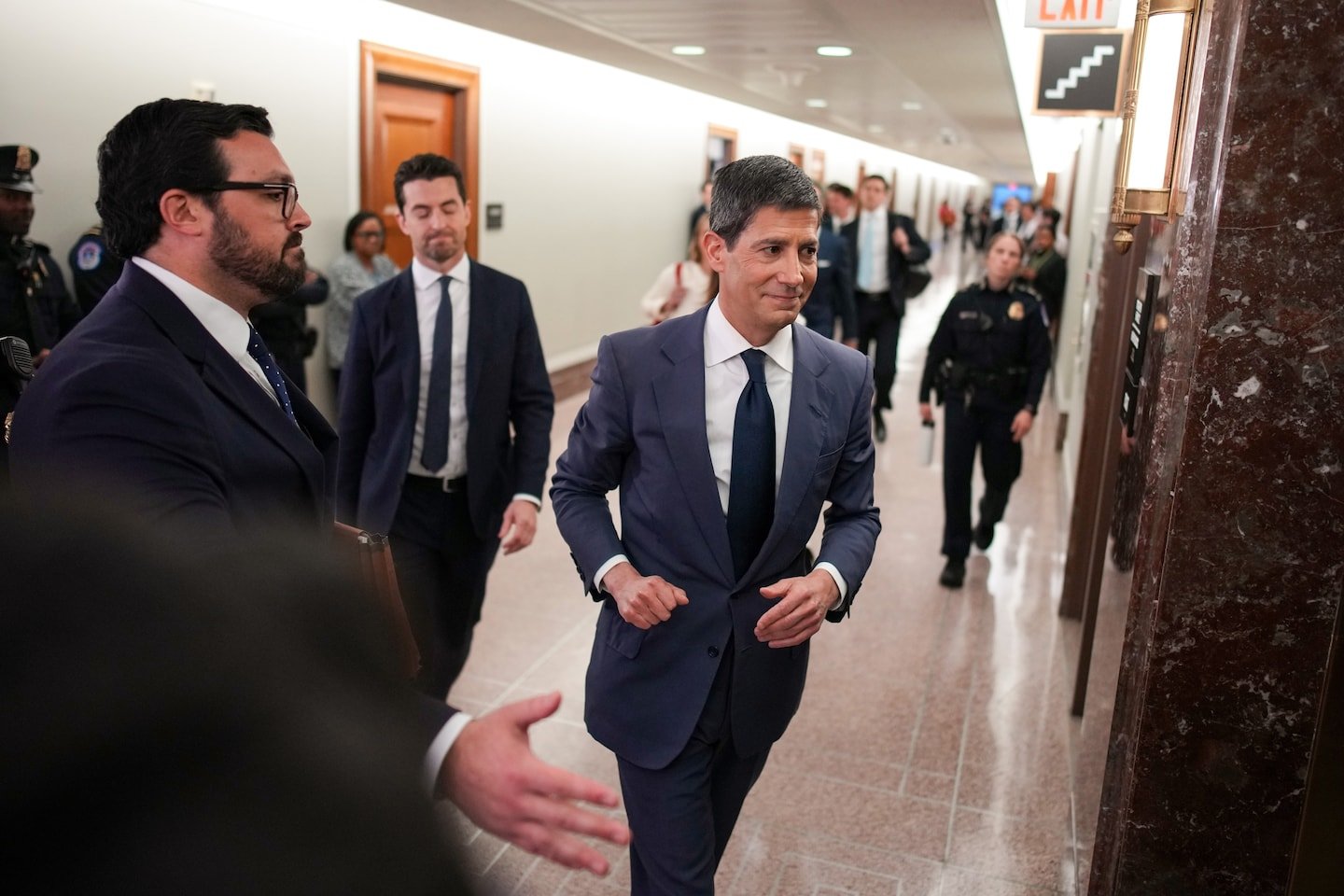
Senate panel advances Trump’s Federal Reserve pick amid deep partisan divide over central bank independence
Kevin Warsh clears a key committee vote to become Fed chair nominee, moving to full Senate confirmation as debate intensifies over political influence on U.S. monetary policy
A SYSTEM-DRIVEN political process reshaping control of U.S. monetary policy has moved into its decisive phase after a Senate committee advanced President Donald Trump’s nominee to lead the Federal Reserve, the institution responsible for setting interest rates and managing inflation.
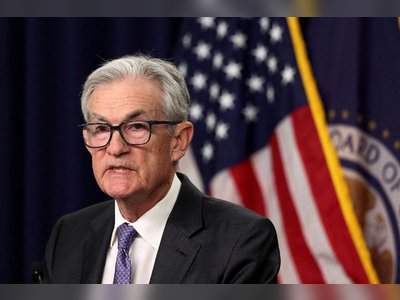
What is confirmed is that the Senate Banking Committee voted 13–11 along party lines to send Kevin Warsh’s nomination to the full Senate, placing him on a clear path toward replacing current Federal Reserve Chair Jerome Powell when Powell’s term ends on May 15, 2026. The vote reflects strict partisan alignment, with all Republican members supporting the nomination and all Democrats opposing it.
Warsh, a former Federal Reserve governor and investment banker, was nominated by Trump as part of a broader effort to reshape the central bank’s leadership at a moment of persistent inflation pressure and heightened political attention on interest rates.
If confirmed by the full Senate, he would take control of the world’s most influential central bank, which directly affects global borrowing costs, financial markets, and economic growth.
The procedural breakthrough follows weeks of political maneuvering that affected the nomination’s trajectory.
A key Republican senator had previously withheld support, citing concerns linked to a Justice Department investigation into Powell related to administrative matters at the Federal Reserve.
That investigation was later withdrawn or closed, removing a major obstacle and allowing the nomination to advance through committee.
During the confirmation process, Warsh has faced sustained criticism from Democratic lawmakers who argue that his alignment with Trump raises concerns about the independence of the Federal Reserve.
Opponents have focused on his past statements calling for significant institutional changes within the Fed, including adjustments to its communication strategy and policy framework.
They argue these positions suggest a willingness to align monetary policy more closely with political objectives.
Supporters within the Republican majority argue that Warsh brings prior experience inside the Federal Reserve system and is positioned to recalibrate policy after years of aggressive monetary tightening and emergency-era interventions.
His backers also emphasize his background in both public service and financial markets as qualifications for navigating inflation and economic uncertainty.
The stakes extend far beyond personnel changes.
The Federal Reserve’s independence from political pressure is a foundational principle of modern U.S. economic policy, designed to prevent short-term political incentives from distorting long-term inflation control.
Any perceived shift toward political control of interest rate decisions could affect investor confidence, global capital flows, and the credibility of U.S. monetary policy.
The full Senate vote now becomes the decisive stage.
Given the current partisan composition, Warsh is widely expected to be confirmed, though the confirmation process has become a focal point for broader disputes over how much influence the executive branch should exert over the central bank.
If confirmed, Warsh would assume leadership of the Federal Reserve immediately after Powell’s term concludes, placing him at the center of critical decisions on interest rates, inflation control, and the future direction of U.S. economic policy at a time of heightened political and financial sensitivity.
What is confirmed is that the Senate Banking Committee voted 13–11 along party lines to send Kevin Warsh’s nomination to the full Senate, placing him on a clear path toward replacing current Federal Reserve Chair Jerome Powell when Powell’s term ends on May 15, 2026. The vote reflects strict partisan alignment, with all Republican members supporting the nomination and all Democrats opposing it.
Warsh, a former Federal Reserve governor and investment banker, was nominated by Trump as part of a broader effort to reshape the central bank’s leadership at a moment of persistent inflation pressure and heightened political attention on interest rates.
If confirmed by the full Senate, he would take control of the world’s most influential central bank, which directly affects global borrowing costs, financial markets, and economic growth.
The procedural breakthrough follows weeks of political maneuvering that affected the nomination’s trajectory.
A key Republican senator had previously withheld support, citing concerns linked to a Justice Department investigation into Powell related to administrative matters at the Federal Reserve.
That investigation was later withdrawn or closed, removing a major obstacle and allowing the nomination to advance through committee.
During the confirmation process, Warsh has faced sustained criticism from Democratic lawmakers who argue that his alignment with Trump raises concerns about the independence of the Federal Reserve.
Opponents have focused on his past statements calling for significant institutional changes within the Fed, including adjustments to its communication strategy and policy framework.
They argue these positions suggest a willingness to align monetary policy more closely with political objectives.
Supporters within the Republican majority argue that Warsh brings prior experience inside the Federal Reserve system and is positioned to recalibrate policy after years of aggressive monetary tightening and emergency-era interventions.
His backers also emphasize his background in both public service and financial markets as qualifications for navigating inflation and economic uncertainty.
The stakes extend far beyond personnel changes.
The Federal Reserve’s independence from political pressure is a foundational principle of modern U.S. economic policy, designed to prevent short-term political incentives from distorting long-term inflation control.
Any perceived shift toward political control of interest rate decisions could affect investor confidence, global capital flows, and the credibility of U.S. monetary policy.
The full Senate vote now becomes the decisive stage.
Given the current partisan composition, Warsh is widely expected to be confirmed, though the confirmation process has become a focal point for broader disputes over how much influence the executive branch should exert over the central bank.
If confirmed, Warsh would assume leadership of the Federal Reserve immediately after Powell’s term concludes, placing him at the center of critical decisions on interest rates, inflation control, and the future direction of U.S. economic policy at a time of heightened political and financial sensitivity.