Focus on the BIG picture.
Thursday, Apr 30, 2026
Outside the box.

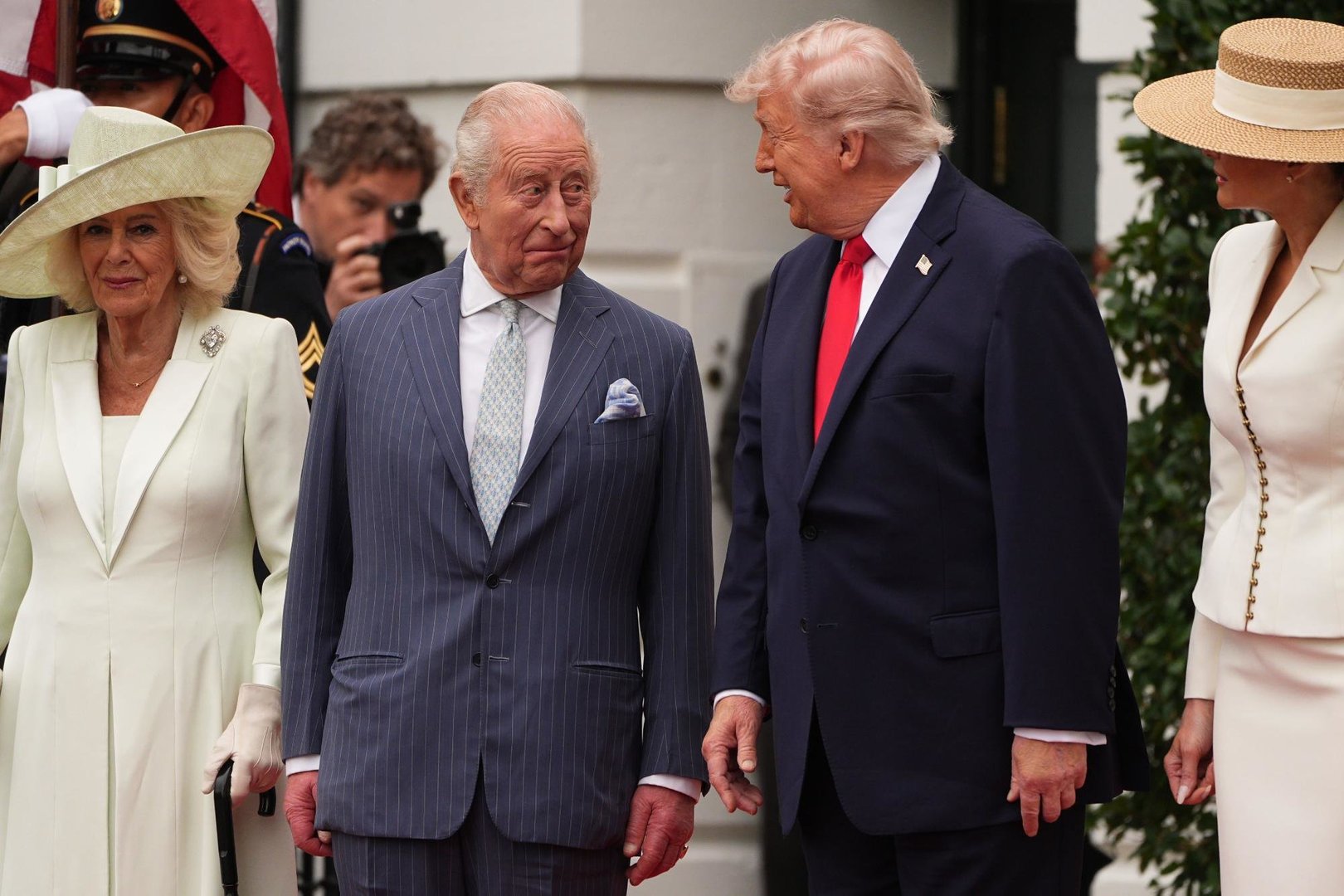
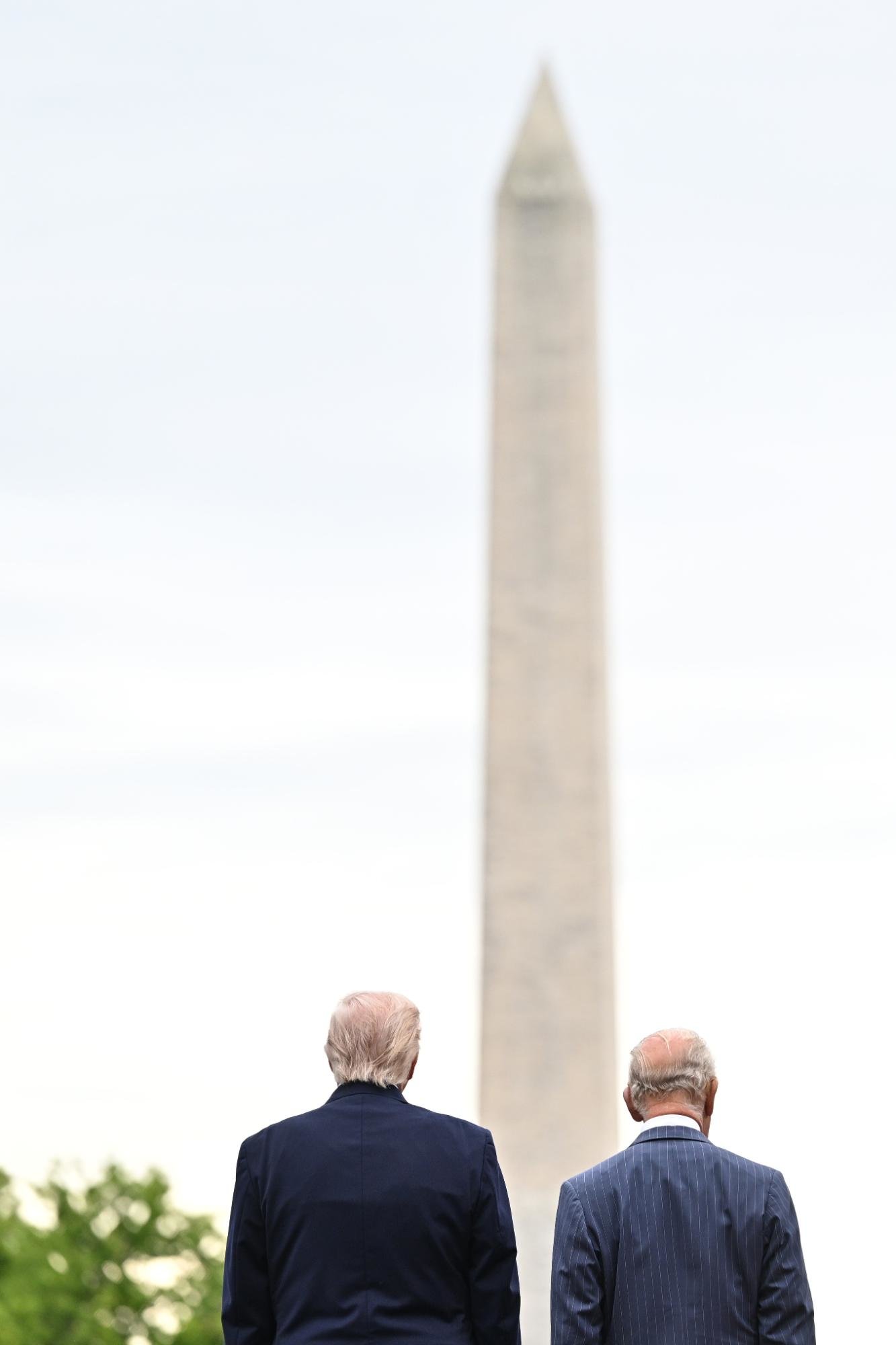
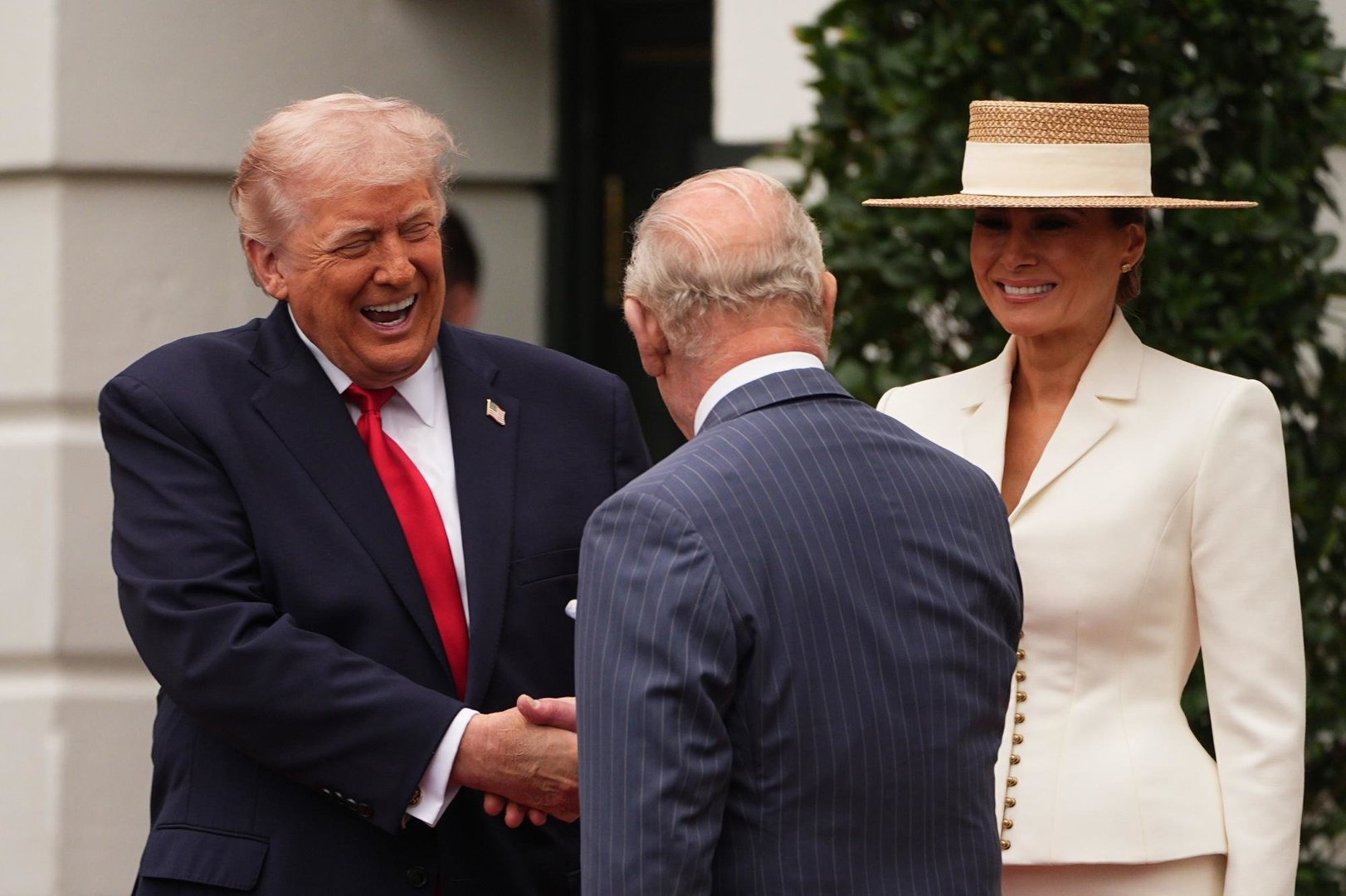
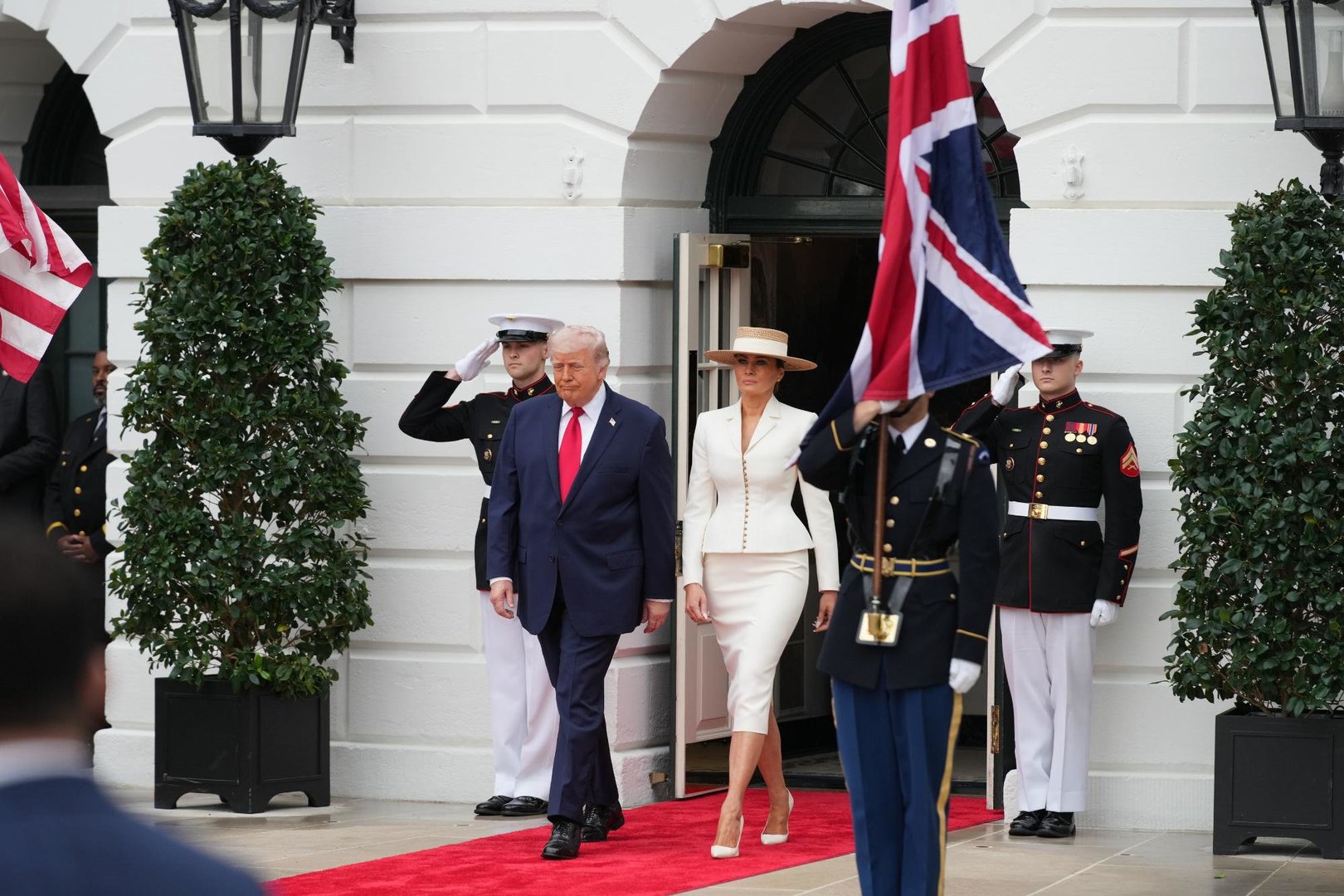
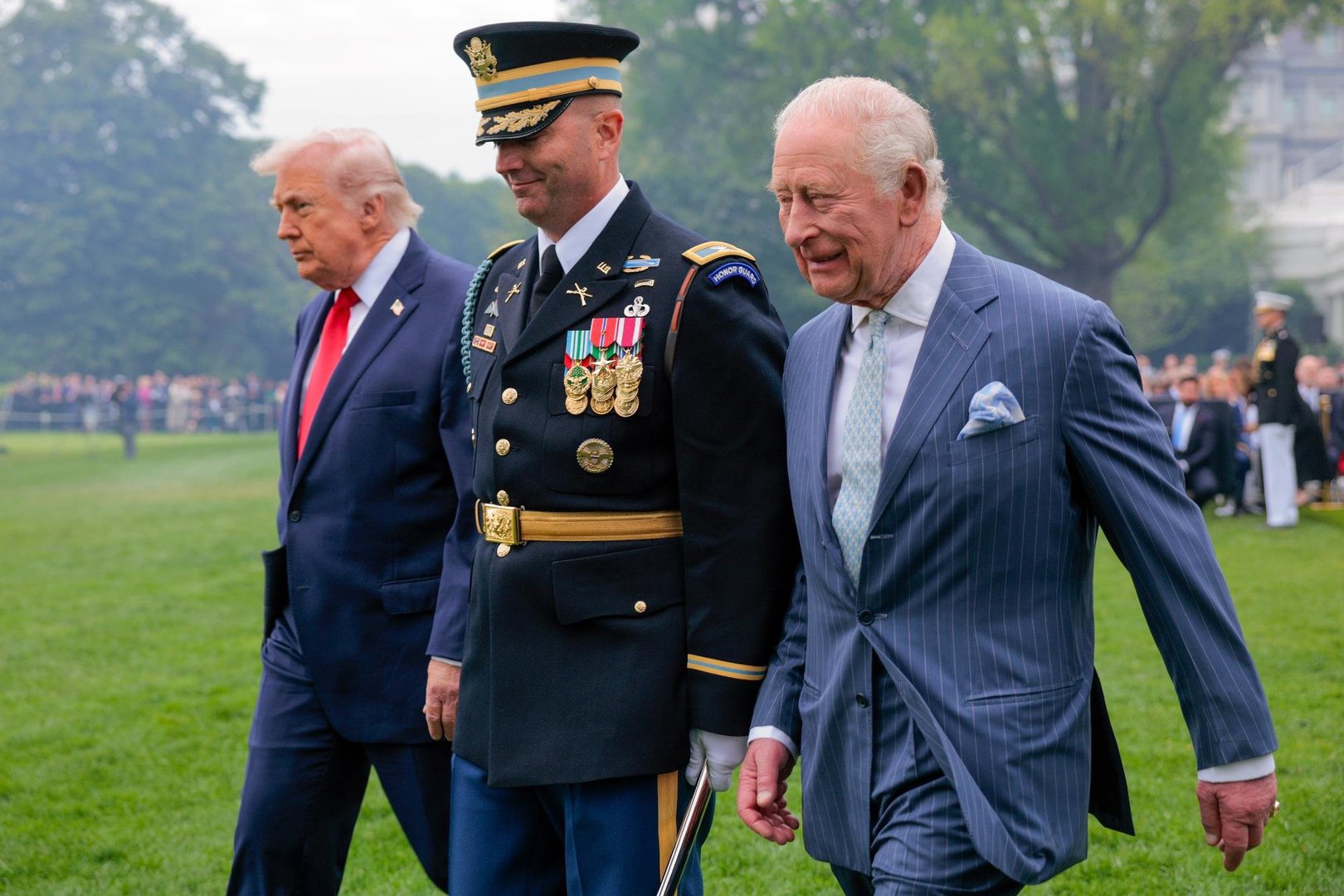
Trump Hosts King Charles III and Queen Camilla in Historic U.S. State Visit Marking 250 Years of American Independence
The British monarch’s first U.S. state visit in nearly two decades blends ceremony, diplomacy, and symbolism around the upcoming 250th anniversary of American independence, with high-profile meetings at the White House and Congress.
SYSTEM-DRIVEN: This story is fundamentally about diplomatic statecraft and the symbolic use of ceremony to reinforce the long-term institutional relationship between the United States and the United Kingdom.
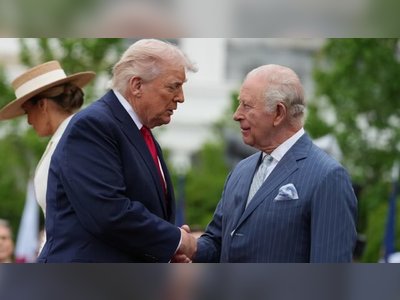
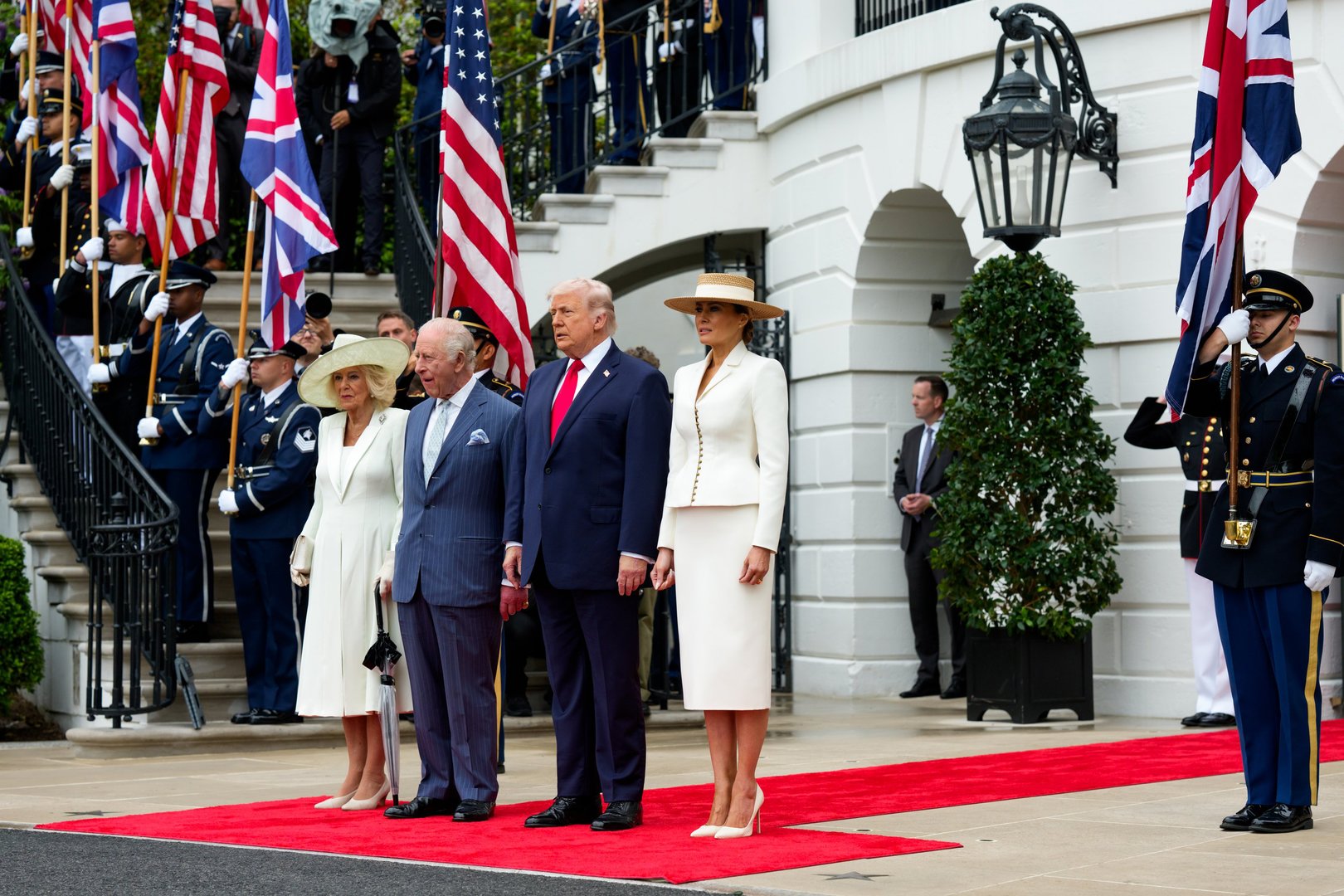
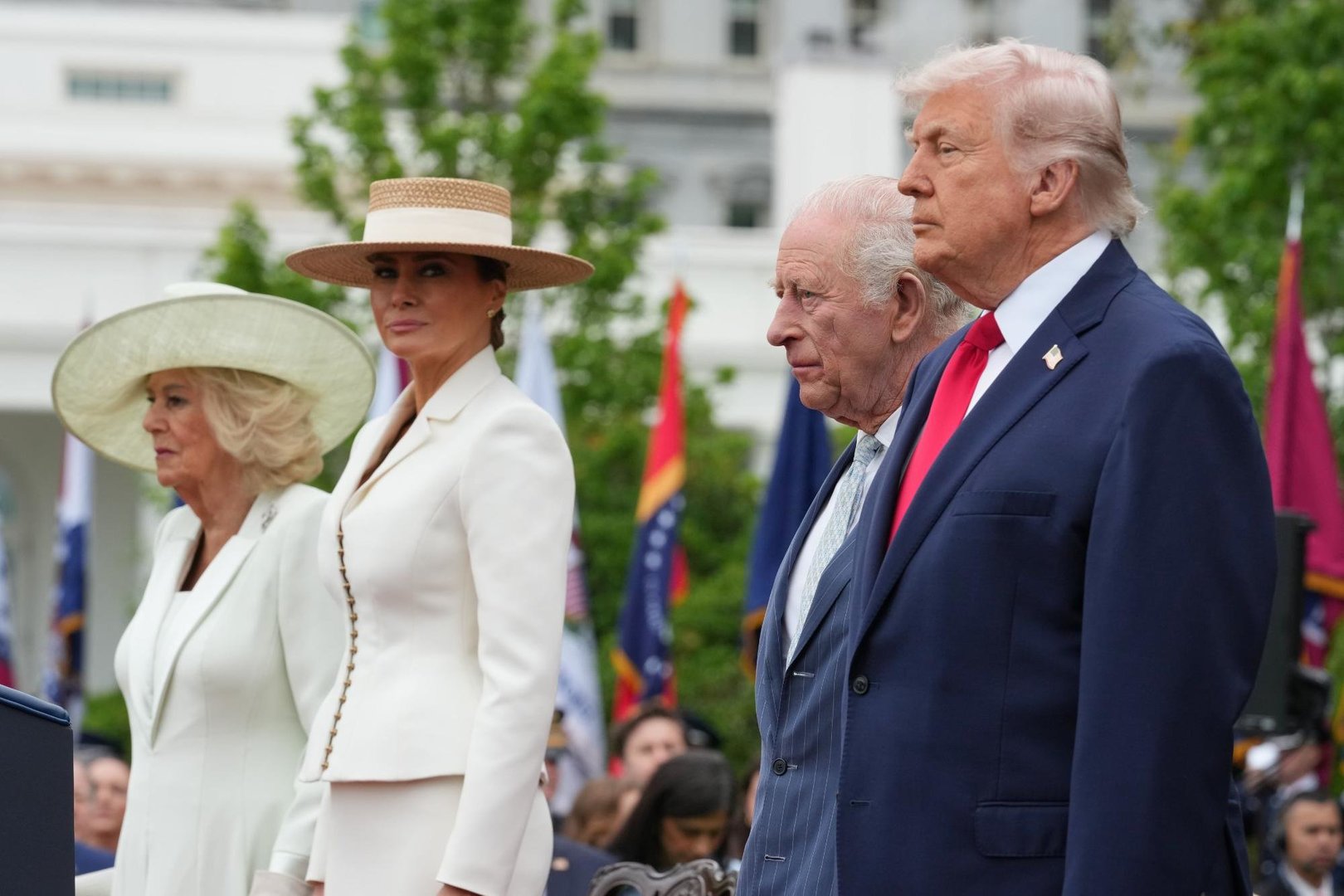
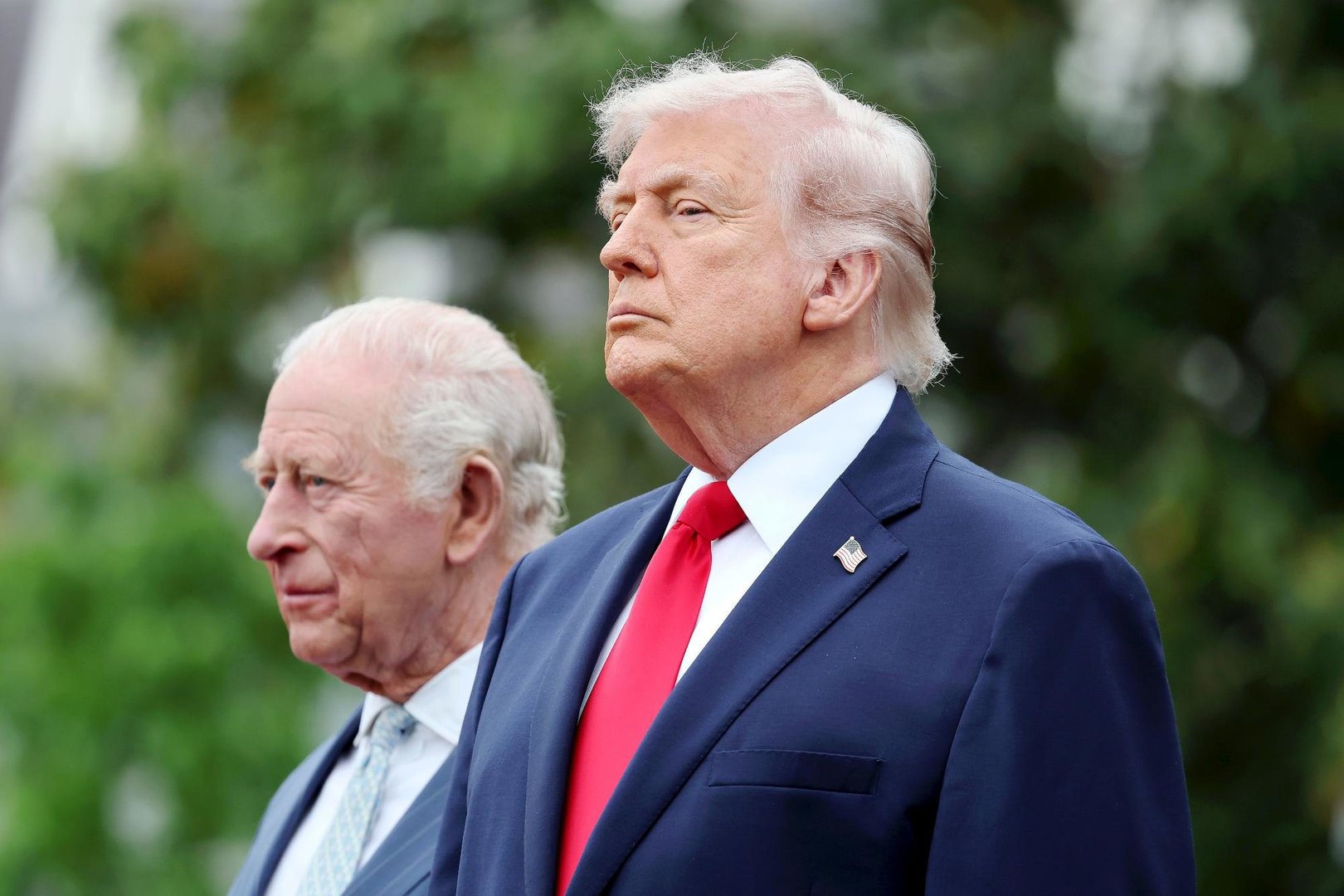
President Donald Trump and First Lady Melania Trump hosted King Charles III and Queen Camilla at the White House for a formal state visit framed around the approaching 250th anniversary of American independence.
The visit is the first by a British monarch to the United States in nearly two decades and arrives at a moment when both governments are publicly emphasizing the depth and continuity of their alliance.
The visit centers on a carefully staged sequence of diplomatic rituals.
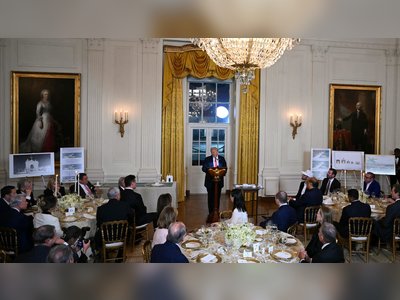
It began with a formal arrival ceremony on the White House grounds, followed by bilateral meetings between the delegations and a state dinner hosted in the East Room.
The program also includes a rare address by King Charles to a joint session of the United States Congress, an institutional moment reserved for the closest international partners and symbolic allies.
The White House framing of the visit explicitly connects the present-day U.S.–U.K. relationship to the historical origins of the United States.
In remarks released during the visit, Trump described the shared heritage between the two countries as stretching from Britain’s historical political traditions to the American founding.
The messaging ties the upcoming national anniversary to a narrative of continuity rather than rupture, emphasizing cultural inheritance, shared language, and legal traditions as the foundation of the modern alliance.
What is confirmed is that the state visit includes formal diplomatic meetings, ceremonial honors, and public addresses intended to reinforce bilateral ties.
It is also confirmed that King Charles is addressing Congress during the visit, marking only the second time a British monarch has done so in modern history.
The visit’s broader political function is to reaffirm the so-called “special relationship” at a time of global strategic uncertainty.
The United States and United Kingdom remain close military and intelligence partners, and such state visits are typically used to signal continuity in defense coordination, trade alignment, and shared geopolitical priorities.
While public messaging focuses on historical connection, the underlying diplomatic agenda is centered on maintaining policy cohesion across security and economic domains.
Public ceremony has played a central role in shaping the visit’s narrative.
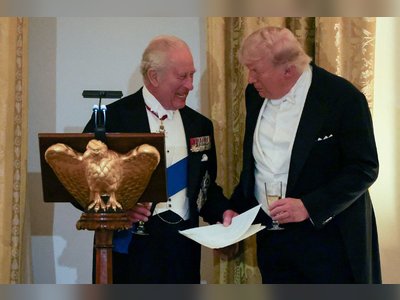
The state dinner included formal toasts emphasizing shared democratic traditions and long-term alliance structures.
Symbolic gift exchanges and military honors underscored the institutional character of the relationship rather than any single policy outcome.
These elements are designed to project stability and unity at a time when both nations are managing complex domestic and international pressures.
The visit also highlights the continuing role of monarchy in contemporary diplomacy.
While the British monarch holds no executive power, state visits serve as high-visibility instruments of soft power, reinforcing cultural and historical bonds that operate alongside formal government-to-government relations.
In this case, the monarchy functions as a ceremonial bridge between political administrations and long-standing bilateral frameworks.
As the visit proceeds, its immediate consequence is the reinforcement of public-facing diplomatic alignment between Washington and London.
The events in Washington are structured to project continuity in one of the world’s oldest alliances at a moment when both countries are preparing to mark a major historical milestone in American national identity.
President Donald Trump and First Lady Melania Trump hosted King Charles III and Queen Camilla at the White House for a formal state visit framed around the approaching 250th anniversary of American independence.
The visit is the first by a British monarch to the United States in nearly two decades and arrives at a moment when both governments are publicly emphasizing the depth and continuity of their alliance.
The visit centers on a carefully staged sequence of diplomatic rituals.
It began with a formal arrival ceremony on the White House grounds, followed by bilateral meetings between the delegations and a state dinner hosted in the East Room.
The program also includes a rare address by King Charles to a joint session of the United States Congress, an institutional moment reserved for the closest international partners and symbolic allies.
The White House framing of the visit explicitly connects the present-day U.S.–U.K. relationship to the historical origins of the United States.
In remarks released during the visit, Trump described the shared heritage between the two countries as stretching from Britain’s historical political traditions to the American founding.
The messaging ties the upcoming national anniversary to a narrative of continuity rather than rupture, emphasizing cultural inheritance, shared language, and legal traditions as the foundation of the modern alliance.
What is confirmed is that the state visit includes formal diplomatic meetings, ceremonial honors, and public addresses intended to reinforce bilateral ties.
It is also confirmed that King Charles is addressing Congress during the visit, marking only the second time a British monarch has done so in modern history.
The visit’s broader political function is to reaffirm the so-called “special relationship” at a time of global strategic uncertainty.
The United States and United Kingdom remain close military and intelligence partners, and such state visits are typically used to signal continuity in defense coordination, trade alignment, and shared geopolitical priorities.
While public messaging focuses on historical connection, the underlying diplomatic agenda is centered on maintaining policy cohesion across security and economic domains.
Public ceremony has played a central role in shaping the visit’s narrative.
The state dinner included formal toasts emphasizing shared democratic traditions and long-term alliance structures.
Symbolic gift exchanges and military honors underscored the institutional character of the relationship rather than any single policy outcome.
These elements are designed to project stability and unity at a time when both nations are managing complex domestic and international pressures.
The visit also highlights the continuing role of monarchy in contemporary diplomacy.
While the British monarch holds no executive power, state visits serve as high-visibility instruments of soft power, reinforcing cultural and historical bonds that operate alongside formal government-to-government relations.
In this case, the monarchy functions as a ceremonial bridge between political administrations and long-standing bilateral frameworks.
As the visit proceeds, its immediate consequence is the reinforcement of public-facing diplomatic alignment between Washington and London.
The events in Washington are structured to project continuity in one of the world’s oldest alliances at a moment when both countries are preparing to mark a major historical milestone in American national identity.