Focus on the BIG picture.
Wednesday, Mar 11, 2026
Outside the box.

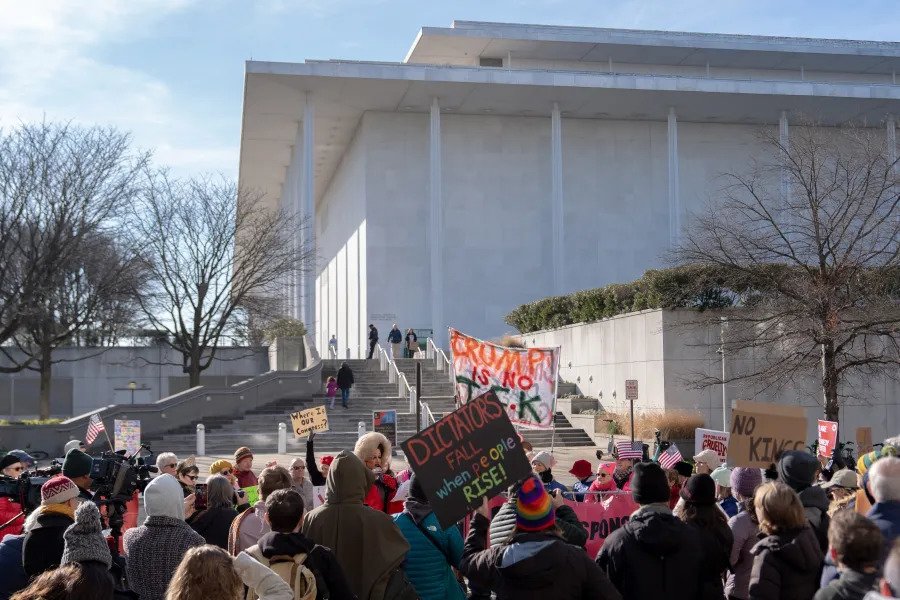
Sonia De Los Santos Withdraws from Kennedy Center Engagements, Citing Unwelcoming Environment
Grammy-nominated artist becomes latest performer to cancel shows amid shifts at the Kennedy Center under Donald Trump’s leadership
Grammy-nominated singer-songwriter Sonia De Los Santos has announced the cancellation of her scheduled performances at the John F. Kennedy Center for the Performing Arts in Washington, D.C., saying the current environment at the institution does not feel welcoming to her, her band, or their audiences.
The Mexican American artist, who has been celebrated for uplifting immigrant narratives through her music, was set to present two youth-oriented concerts followed by an interactive discussion on February seven.
In a statement shared on social media, De Los Santos wrote that she treasures artistic freedom but no longer feels that the Kennedy Center — a venue she has long respected — offers a space reflective of inclusion and belonging for her community.
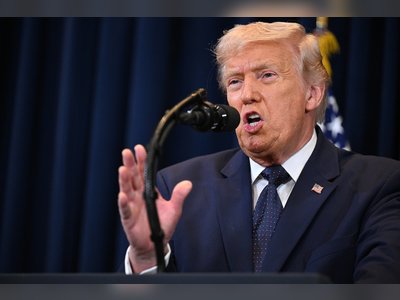
De Los Santos’ decision comes amid a broader wave of high-profile cancellations at the Kennedy Center after former President Donald Trump replaced its previous leadership in early twenty-twenty-five and installed himself as chairman of the board of trustees.
The board’s subsequent vote in December to rename the institution the Trump-Kennedy Center has stirred controversy, with critics maintaining that such a change would require congressional approval and could reshape the cultural institution’s identity.
Since then, a growing list of performers and ensembles — including jazz musician Bela Fleck, composer Stephen Schwartz, Lin-Manuel Miranda, Chuck Redd and The Cookers — have withdrawn from scheduled appearances, frequently alluding to political tensions and concerns about the atmosphere at the center.
In an email response to news organisations, Kennedy Center spokesperson Roma Daravi challenged De Los Santos’ characterization of the venue, asserting that the institution remains open to all and rejecting the implication that any community is unwelcome.
Daravi described the remarks as offensive, emphasising that the centre was built on a foundation of inclusion.
The cancellations have raised questions about the Kennedy Center’s role in the national cultural landscape and prompted debate over the intersection of politics, artistic freedom and institutional direction.
As the Kennedy Center navigates these developments, other artists and organisations are also re-evaluating their engagements with the renamed institution.
The Mexican American artist, who has been celebrated for uplifting immigrant narratives through her music, was set to present two youth-oriented concerts followed by an interactive discussion on February seven.
In a statement shared on social media, De Los Santos wrote that she treasures artistic freedom but no longer feels that the Kennedy Center — a venue she has long respected — offers a space reflective of inclusion and belonging for her community.
De Los Santos’ decision comes amid a broader wave of high-profile cancellations at the Kennedy Center after former President Donald Trump replaced its previous leadership in early twenty-twenty-five and installed himself as chairman of the board of trustees.
The board’s subsequent vote in December to rename the institution the Trump-Kennedy Center has stirred controversy, with critics maintaining that such a change would require congressional approval and could reshape the cultural institution’s identity.
Since then, a growing list of performers and ensembles — including jazz musician Bela Fleck, composer Stephen Schwartz, Lin-Manuel Miranda, Chuck Redd and The Cookers — have withdrawn from scheduled appearances, frequently alluding to political tensions and concerns about the atmosphere at the center.
In an email response to news organisations, Kennedy Center spokesperson Roma Daravi challenged De Los Santos’ characterization of the venue, asserting that the institution remains open to all and rejecting the implication that any community is unwelcome.
Daravi described the remarks as offensive, emphasising that the centre was built on a foundation of inclusion.
The cancellations have raised questions about the Kennedy Center’s role in the national cultural landscape and prompted debate over the intersection of politics, artistic freedom and institutional direction.
As the Kennedy Center navigates these developments, other artists and organisations are also re-evaluating their engagements with the renamed institution.