Focus on the BIG picture.
Tuesday, Jul 21, 2026
Outside the box.

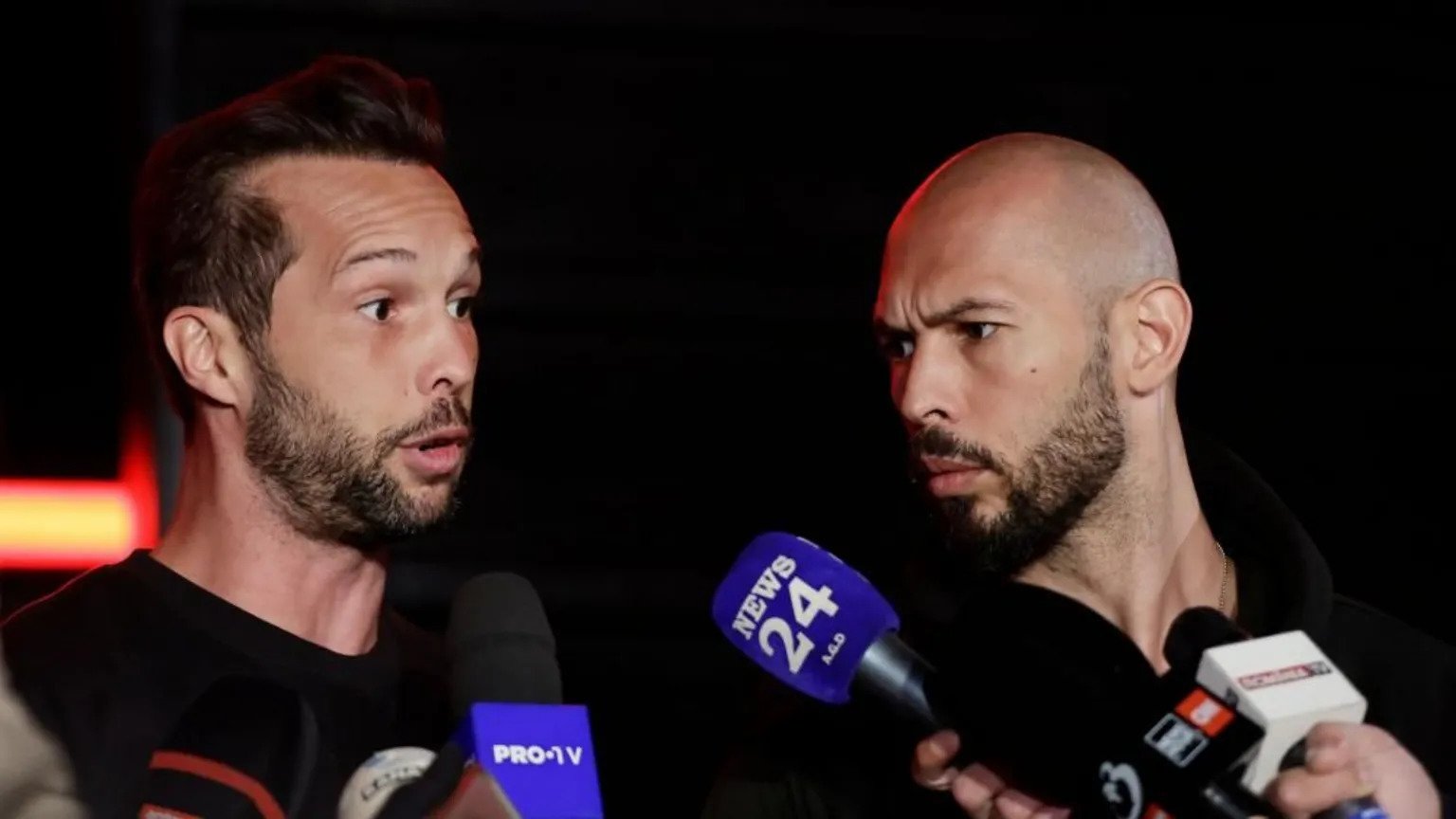
Tate Brothers Fight British Extradition Bid After Miami Arrests
Andrew and Tristan Tate remain in US federal custody as Britain seeks their surrender on 59 charges involving seven alleged victims; a court hearing is scheduled for July 27.
Andrew and Tristan Tate are contesting an attempt by British prosecutors to extradite them from the United States, beginning a federal process that could ultimately send the dual British-American citizens to England for trial.
US Marshals arrested the brothers in Miami on July 18, and they remain in federal detention after appearing before Magistrate Judge Lauren Louis two days later.
Their extradition is possible but neither automatic nor imminent.
A United States district judge must determine whether Britain’s request satisfies the bilateral extradition treaty and American law.
If the court certifies the brothers as extraditable, the final decision on surrender belongs to the US secretary of state.
Their next hearing is scheduled for July 27.
The arrests followed a request from the Crown Prosecution Service after it authorized 38 additional charges concerning four more alleged victims.
Andrew Tate, 39, faces seven further counts of rape, three counts of arranging or facilitating trafficking for sexual exploitation, three counts of assault occasioning actual bodily harm and 19 charges involving indecent images of a child and extreme pornography.
Tristan Tate, 38, faces two further counts of rape, one count of sexual assault and three counts of arranging or facilitating trafficking for sexual exploitation.
The newly alleged offending spans July 2010 to August 2017.
Those accusations supplement 21 charges previously authorized in Britain.
Andrew already faced 10 counts comprising three alleged rapes, four alleged assaults occasioning actual bodily harm, two alleged human-trafficking offences and one count of controlling prostitution for gain.
Tristan already faced 11 counts: three alleged rapes, six alleged assaults and two alleged human-trafficking offences.
The combined British case therefore contains 59 charges involving seven alleged victims: 42 charges against Andrew and 17 against Tristan.
Charges are accusations, not findings of guilt.
Neither brother has entered a plea before a British trial court, and both deny all allegations against them.
At the extradition stage, the American court will not conduct the British criminal trial or decide whether the brothers are guilty.
It will examine matters including identity, whether the alleged conduct falls within the treaty, whether it would constitute punishable criminal conduct in both countries and whether the supporting evidence meets the applicable threshold for certification.
The treaty generally covers conduct punishable in both jurisdictions by at least one year of imprisonment.
Rape, assault, trafficking and child-exploitation offences readily fall within categories capable of satisfying that requirement.
The brothers’ American citizenship does not itself prevent surrender because the treaty does not create a blanket exemption for nationals of the requested country.
Their lawyer, Joseph McBride, told the Miami court that the brothers would oppose extradition.
He has called the accusations politically motivated and linked the new charges to defamation litigation filed by the Tates in the United States.
He also described the British case as punishment for their speech.
The allegation of political motivation has not been proven.
The Justice Department rejected McBride’s assertion that a low-ranking official authorized the arrests without senior involvement, stating that leadership of its Criminal Division approved the action.
The US-UK treaty excludes political offences and provides safeguards where an extradition request is intended to punish someone because of political opinions or other protected characteristics.
That exception ordinarily carries a high evidentiary threshold.
The offences charged here are conventional allegations of sexual violence, assault, trafficking and prohibited imagery, not political crimes by their legal character.
Criticism of the prosecution alone would not establish that the request was improperly motivated.
Even if a federal judge certifies extradition, the executive branch retains discretion.
The secretary of state can consider foreign-policy, humanitarian and political-motivation arguments before ordering surrender.
That division of responsibility means a court ruling in Britain’s favor would authorize extradition without making the transfer instantaneous.
The brothers may also seek judicial review through habeas corpus proceedings and pursue appeals arising from that challenge.
Those steps are narrower than a conventional criminal appeal but can extend the case for months or longer.
Extradition litigation between the United States and Britain is well established, and refusals are comparatively uncommon when treaty requirements are met.
Romania adds a separate jurisdictional complication.
The brothers moved there in 2016 and were arrested in 2022 in a case involving allegations of rape, human trafficking and forming an organized criminal group, all of which they deny.
A Romanian court later returned the initial indictment to prosecutors after identifying procedural defects, leaving the domestic proceedings unresolved.
A Romanian court had previously approved the brothers’ eventual surrender to Britain after Romanian proceedings concluded.
That decision was made while they were in Romania and does not automatically dictate what an American court must now do.
Their presence in federal custody gives the United States immediate control over the British request, although any Romanian claim to their return could require coordination among the three governments.
The brothers were permitted to leave Romania after travel restrictions were lifted in early 2025 and subsequently based themselves in Florida.
Their relocation allowed British authorities to seek surrender directly from the United States rather than wait for the sequence contemplated by the Romanian ruling.
Andrew Tate first gained broad attention through a brief 2016 appearance on the British edition of Big Brother.
He later built an enormous social-media audience around wealth, male dominance and statements about women that prompted bans from several platforms; his account on X was subsequently restored.
Tristan became prominent through his association with his brother and their shared businesses and online presence.
The immediate answer is that extradition is legally available and Britain’s request has advanced beyond the diplomatic stage into active US litigation.
The brothers remain presumed innocent, their objections will be heard, and the next confirmed step is their return to federal court on July 27 while they remain in custody.
US Marshals arrested the brothers in Miami on July 18, and they remain in federal detention after appearing before Magistrate Judge Lauren Louis two days later.
Their extradition is possible but neither automatic nor imminent.
A United States district judge must determine whether Britain’s request satisfies the bilateral extradition treaty and American law.
If the court certifies the brothers as extraditable, the final decision on surrender belongs to the US secretary of state.
Their next hearing is scheduled for July 27.
The arrests followed a request from the Crown Prosecution Service after it authorized 38 additional charges concerning four more alleged victims.
Andrew Tate, 39, faces seven further counts of rape, three counts of arranging or facilitating trafficking for sexual exploitation, three counts of assault occasioning actual bodily harm and 19 charges involving indecent images of a child and extreme pornography.
Tristan Tate, 38, faces two further counts of rape, one count of sexual assault and three counts of arranging or facilitating trafficking for sexual exploitation.
The newly alleged offending spans July 2010 to August 2017.
Those accusations supplement 21 charges previously authorized in Britain.
Andrew already faced 10 counts comprising three alleged rapes, four alleged assaults occasioning actual bodily harm, two alleged human-trafficking offences and one count of controlling prostitution for gain.
Tristan already faced 11 counts: three alleged rapes, six alleged assaults and two alleged human-trafficking offences.
The combined British case therefore contains 59 charges involving seven alleged victims: 42 charges against Andrew and 17 against Tristan.
Charges are accusations, not findings of guilt.
Neither brother has entered a plea before a British trial court, and both deny all allegations against them.
At the extradition stage, the American court will not conduct the British criminal trial or decide whether the brothers are guilty.
It will examine matters including identity, whether the alleged conduct falls within the treaty, whether it would constitute punishable criminal conduct in both countries and whether the supporting evidence meets the applicable threshold for certification.
The treaty generally covers conduct punishable in both jurisdictions by at least one year of imprisonment.
Rape, assault, trafficking and child-exploitation offences readily fall within categories capable of satisfying that requirement.
The brothers’ American citizenship does not itself prevent surrender because the treaty does not create a blanket exemption for nationals of the requested country.
Their lawyer, Joseph McBride, told the Miami court that the brothers would oppose extradition.
He has called the accusations politically motivated and linked the new charges to defamation litigation filed by the Tates in the United States.
He also described the British case as punishment for their speech.
The allegation of political motivation has not been proven.
The Justice Department rejected McBride’s assertion that a low-ranking official authorized the arrests without senior involvement, stating that leadership of its Criminal Division approved the action.
The US-UK treaty excludes political offences and provides safeguards where an extradition request is intended to punish someone because of political opinions or other protected characteristics.
That exception ordinarily carries a high evidentiary threshold.
The offences charged here are conventional allegations of sexual violence, assault, trafficking and prohibited imagery, not political crimes by their legal character.
Criticism of the prosecution alone would not establish that the request was improperly motivated.
Even if a federal judge certifies extradition, the executive branch retains discretion.
The secretary of state can consider foreign-policy, humanitarian and political-motivation arguments before ordering surrender.
That division of responsibility means a court ruling in Britain’s favor would authorize extradition without making the transfer instantaneous.
The brothers may also seek judicial review through habeas corpus proceedings and pursue appeals arising from that challenge.
Those steps are narrower than a conventional criminal appeal but can extend the case for months or longer.
Extradition litigation between the United States and Britain is well established, and refusals are comparatively uncommon when treaty requirements are met.
Romania adds a separate jurisdictional complication.
The brothers moved there in 2016 and were arrested in 2022 in a case involving allegations of rape, human trafficking and forming an organized criminal group, all of which they deny.
A Romanian court later returned the initial indictment to prosecutors after identifying procedural defects, leaving the domestic proceedings unresolved.
A Romanian court had previously approved the brothers’ eventual surrender to Britain after Romanian proceedings concluded.
That decision was made while they were in Romania and does not automatically dictate what an American court must now do.
Their presence in federal custody gives the United States immediate control over the British request, although any Romanian claim to their return could require coordination among the three governments.
The brothers were permitted to leave Romania after travel restrictions were lifted in early 2025 and subsequently based themselves in Florida.
Their relocation allowed British authorities to seek surrender directly from the United States rather than wait for the sequence contemplated by the Romanian ruling.
Andrew Tate first gained broad attention through a brief 2016 appearance on the British edition of Big Brother.
He later built an enormous social-media audience around wealth, male dominance and statements about women that prompted bans from several platforms; his account on X was subsequently restored.
Tristan became prominent through his association with his brother and their shared businesses and online presence.
The immediate answer is that extradition is legally available and Britain’s request has advanced beyond the diplomatic stage into active US litigation.
The brothers remain presumed innocent, their objections will be heard, and the next confirmed step is their return to federal court on July 27 while they remain in custody.