Focus on the BIG picture.
Thursday, Jan 29, 2026
Outside the box.

Tesla Faces Brand and Sales Backlash as Elon Musk’s Political Profile Casts Long Shadow
Analysts say the CEO’s political activism and public persona have weighed on the electric-vehicle maker’s demand, deliveries and market positioning
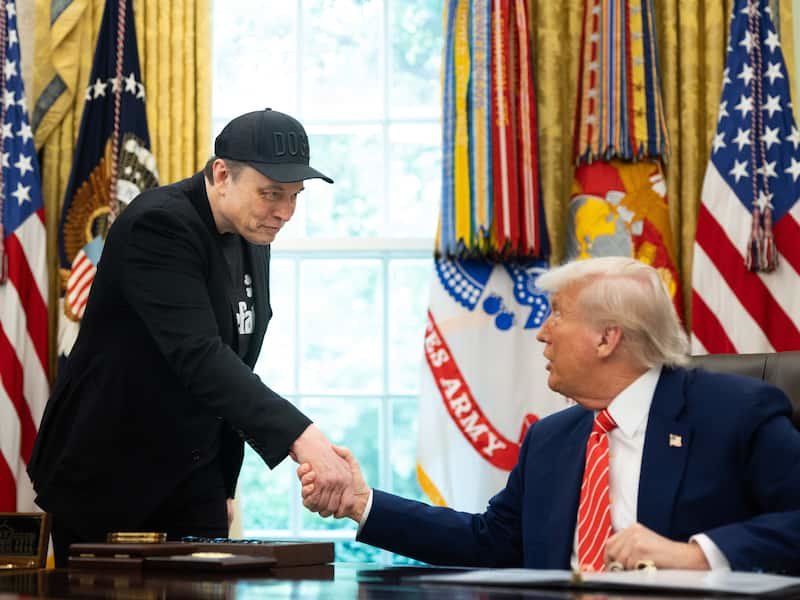
Tesla’s image and commercial performance are increasingly entwined with the political footprint of its chief executive, Elon Musk, as observers and industry analysts point to mounting evidence that his public political activity has weighed on demand for the automaker’s vehicles.
In recent months, research and market commentary have linked Musk’s high-profile political engagements — particularly his alignment with partisan causes and advisory role in the U.S. administration — to weakened sales performance, softened investor confidence and brand challenges in key global markets.
When Tesla’s board last year secured shareholder approval for an unprecedented performance-based compensation package worth up to $1 trillion for Musk, investors hoped it would focus his attention on driving Tesla’s core electric-vehicle and advanced technology businesses.
Instead, the chief executive has remained deeply involved in political discourse, including vocal commentary on social media and participation in public policy debates, which analysts say has alienated segments of the company’s traditional customer base and shifted perceptions of the brand.
Studies by academic researchers have quantified what has been described as the “Musk partisan effect,” estimating that sales in the United States could have been substantially higher absent his polarising political activities.
One rigorous analysis suggests Tesla may have lost more than one million vehicle sales between late 2022 and early 2025 that otherwise would have materialised, as eco-conscious and Democratic-leaning buyers scaled back purchases in response to Musk’s political stance and public conduct.
Market and industry observers also point to discernible declines in key regions.
In Europe, where environmental credentials and corporate neutrality have traditionally underpinned Tesla’s appeal, deliveries and market share have fallen sharply.
This trend has coincided with increased competition from manufacturers such as China’s BYD, which in 2025 overtook Tesla in global battery-electric vehicle deliveries, underscoring growing competitive pressure alongside brand headwinds.
While Tesla continues to innovate in areas such as autonomous driving software, robotics and artificial intelligence, its core auto business remains the principal revenue engine.
Analysts caution that a sustained sales slump could undermine the company’s ability to execute broader strategic ambitions.
Investors and company advisers say the situation places dual pressures on Tesla’s leadership: to revitalise the company’s commercial prospects and to balance the CEO’s personal visibility with shareholder interests.
While Musk’s political engagements are constitutionally protected and separate from Tesla as a corporate entity, the overlap between his public persona and the brand has blurred in practice, creating customer segmentation and heightened scrutiny from both markets and regulators.
With Tesla’s 2026 earnings reports and delivery forecasts due to be released soon, stakeholders will be watching closely to see whether a renewed focus on product performance and market expansion can counterbalance the political tensions that have become a defining backdrop to the company’s recent performance.
In recent months, research and market commentary have linked Musk’s high-profile political engagements — particularly his alignment with partisan causes and advisory role in the U.S. administration — to weakened sales performance, softened investor confidence and brand challenges in key global markets.
When Tesla’s board last year secured shareholder approval for an unprecedented performance-based compensation package worth up to $1 trillion for Musk, investors hoped it would focus his attention on driving Tesla’s core electric-vehicle and advanced technology businesses.
Instead, the chief executive has remained deeply involved in political discourse, including vocal commentary on social media and participation in public policy debates, which analysts say has alienated segments of the company’s traditional customer base and shifted perceptions of the brand.
Studies by academic researchers have quantified what has been described as the “Musk partisan effect,” estimating that sales in the United States could have been substantially higher absent his polarising political activities.
One rigorous analysis suggests Tesla may have lost more than one million vehicle sales between late 2022 and early 2025 that otherwise would have materialised, as eco-conscious and Democratic-leaning buyers scaled back purchases in response to Musk’s political stance and public conduct.
Market and industry observers also point to discernible declines in key regions.
In Europe, where environmental credentials and corporate neutrality have traditionally underpinned Tesla’s appeal, deliveries and market share have fallen sharply.
This trend has coincided with increased competition from manufacturers such as China’s BYD, which in 2025 overtook Tesla in global battery-electric vehicle deliveries, underscoring growing competitive pressure alongside brand headwinds.
While Tesla continues to innovate in areas such as autonomous driving software, robotics and artificial intelligence, its core auto business remains the principal revenue engine.
Analysts caution that a sustained sales slump could undermine the company’s ability to execute broader strategic ambitions.
Investors and company advisers say the situation places dual pressures on Tesla’s leadership: to revitalise the company’s commercial prospects and to balance the CEO’s personal visibility with shareholder interests.
While Musk’s political engagements are constitutionally protected and separate from Tesla as a corporate entity, the overlap between his public persona and the brand has blurred in practice, creating customer segmentation and heightened scrutiny from both markets and regulators.
With Tesla’s 2026 earnings reports and delivery forecasts due to be released soon, stakeholders will be watching closely to see whether a renewed focus on product performance and market expansion can counterbalance the political tensions that have become a defining backdrop to the company’s recent performance.