Focus on the BIG picture.
Thursday, Jan 08, 2026
Outside the box.

Trump Administration Signals Military Option in Bid to Acquire Greenland
White House asserts U.S. interest in Greenland as a national security priority, keeping military measures among options amid firm Danish and European rejection
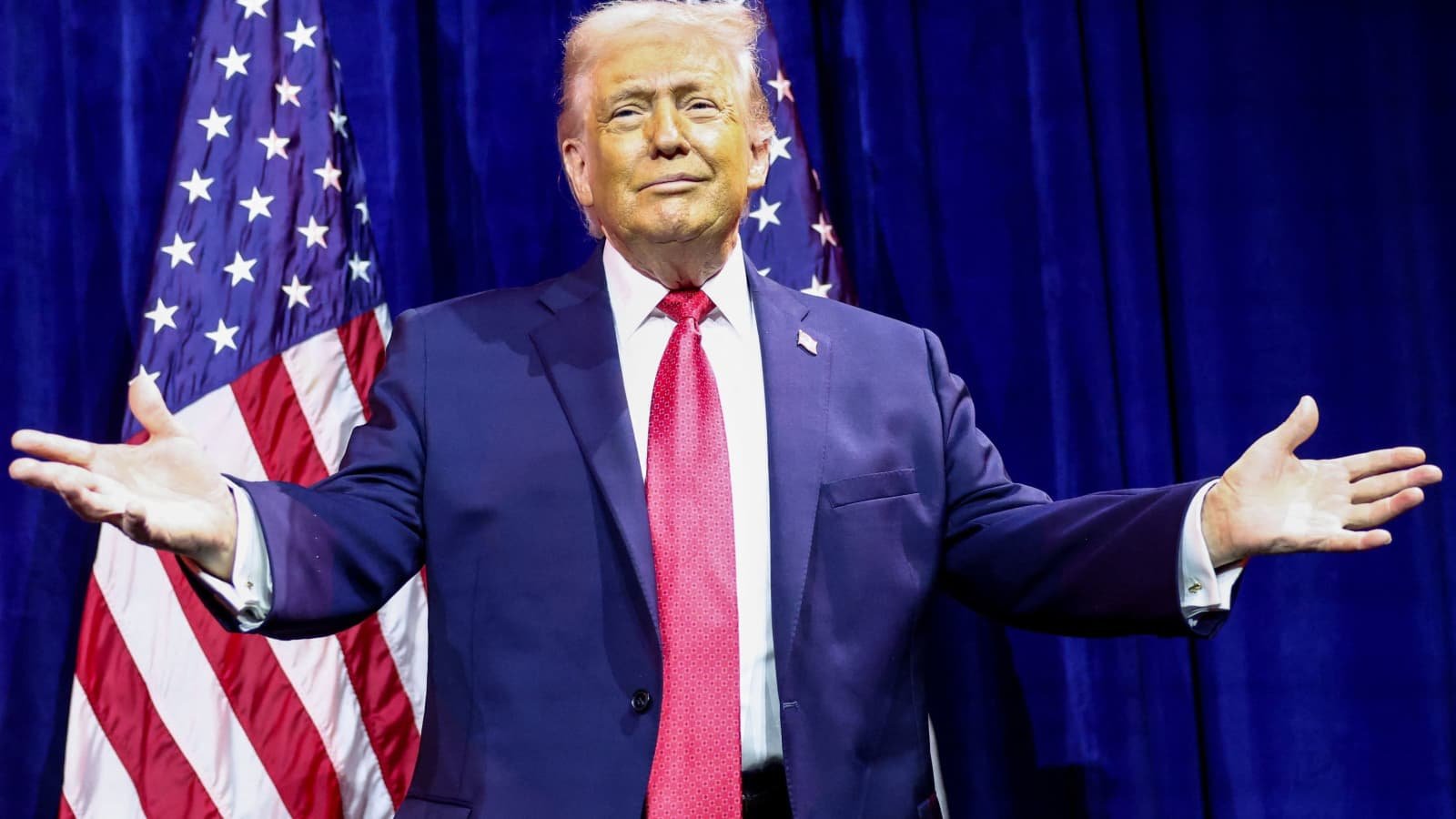
President Donald Trump and senior White House officials have confirmed that the United States is actively weighing a range of options to pursue control of Greenland, including the possible use of U.S. military forces, as part of what the administration describes as a vital national security objective.
The White House emphasized that while diplomacy and negotiation remain preferred approaches, “utilizing the U.S. military is always an option at the commander-in-chief’s disposal,” underscoring the strategic importance the administration assigns to the Arctic island amid intensifying geopolitical competition.
The renewed push reflects Trump’s long-standing view of Greenland as essential to deterring rivals and bolstering U.S. defense posture in the High North.
The statement followed heightened discussion in Washington of potential frameworks for U.S. acquisition—ranging from an outright purchase to alternative arrangements such as a Compact of Free Association—despite Greenland’s repeated clear declaration that it does not wish to become part of the United States.
Trump has framed Greenland’s vast untapped mineral resources and its location as critical assets for high-tech and military applications, arguing that enhanced American control would strengthen national and allied security.
Denmark and Greenland have strongly rebuffed the overtures.
Danish Prime Minister Mette Frederiksen, speaking for the Kingdom of Denmark, insisted that Greenland “is not for sale,” urging the United States to cease what she termed threatening rhetoric and diplomatic pressure.
European allies including France, Germany, Italy, Poland, Spain and the United Kingdom have likewise issued statements affirming Greenland’s right to self-determination and sovereignty, reinforcing that the Arctic territory’s future rests exclusively with its people and the Danish Realm.
The issue has reverberated across transatlantic diplomatic circles and NATO, given Greenland’s status as a semi-autonomous territory within a key alliance partner.
European leaders and Canadian officials have underscored the importance of respecting existing security frameworks, even as Trump’s comments, coupled with recent U.S. military actions elsewhere, have sparked debate about alliance cohesion.
Greenland’s political leadership, backed by broad local public opposition to annexation, has reaffirmed its willingness to engage with international partners through formal diplomatic channels but rejected any suggestion of ceding control to Washington.
The White House emphasized that while diplomacy and negotiation remain preferred approaches, “utilizing the U.S. military is always an option at the commander-in-chief’s disposal,” underscoring the strategic importance the administration assigns to the Arctic island amid intensifying geopolitical competition.
The renewed push reflects Trump’s long-standing view of Greenland as essential to deterring rivals and bolstering U.S. defense posture in the High North.
The statement followed heightened discussion in Washington of potential frameworks for U.S. acquisition—ranging from an outright purchase to alternative arrangements such as a Compact of Free Association—despite Greenland’s repeated clear declaration that it does not wish to become part of the United States.
Trump has framed Greenland’s vast untapped mineral resources and its location as critical assets for high-tech and military applications, arguing that enhanced American control would strengthen national and allied security.
Denmark and Greenland have strongly rebuffed the overtures.
Danish Prime Minister Mette Frederiksen, speaking for the Kingdom of Denmark, insisted that Greenland “is not for sale,” urging the United States to cease what she termed threatening rhetoric and diplomatic pressure.
European allies including France, Germany, Italy, Poland, Spain and the United Kingdom have likewise issued statements affirming Greenland’s right to self-determination and sovereignty, reinforcing that the Arctic territory’s future rests exclusively with its people and the Danish Realm.
The issue has reverberated across transatlantic diplomatic circles and NATO, given Greenland’s status as a semi-autonomous territory within a key alliance partner.
European leaders and Canadian officials have underscored the importance of respecting existing security frameworks, even as Trump’s comments, coupled with recent U.S. military actions elsewhere, have sparked debate about alliance cohesion.
Greenland’s political leadership, backed by broad local public opposition to annexation, has reaffirmed its willingness to engage with international partners through formal diplomatic channels but rejected any suggestion of ceding control to Washington.