Focus on the BIG picture.
Monday, May 25, 2026
Outside the box.

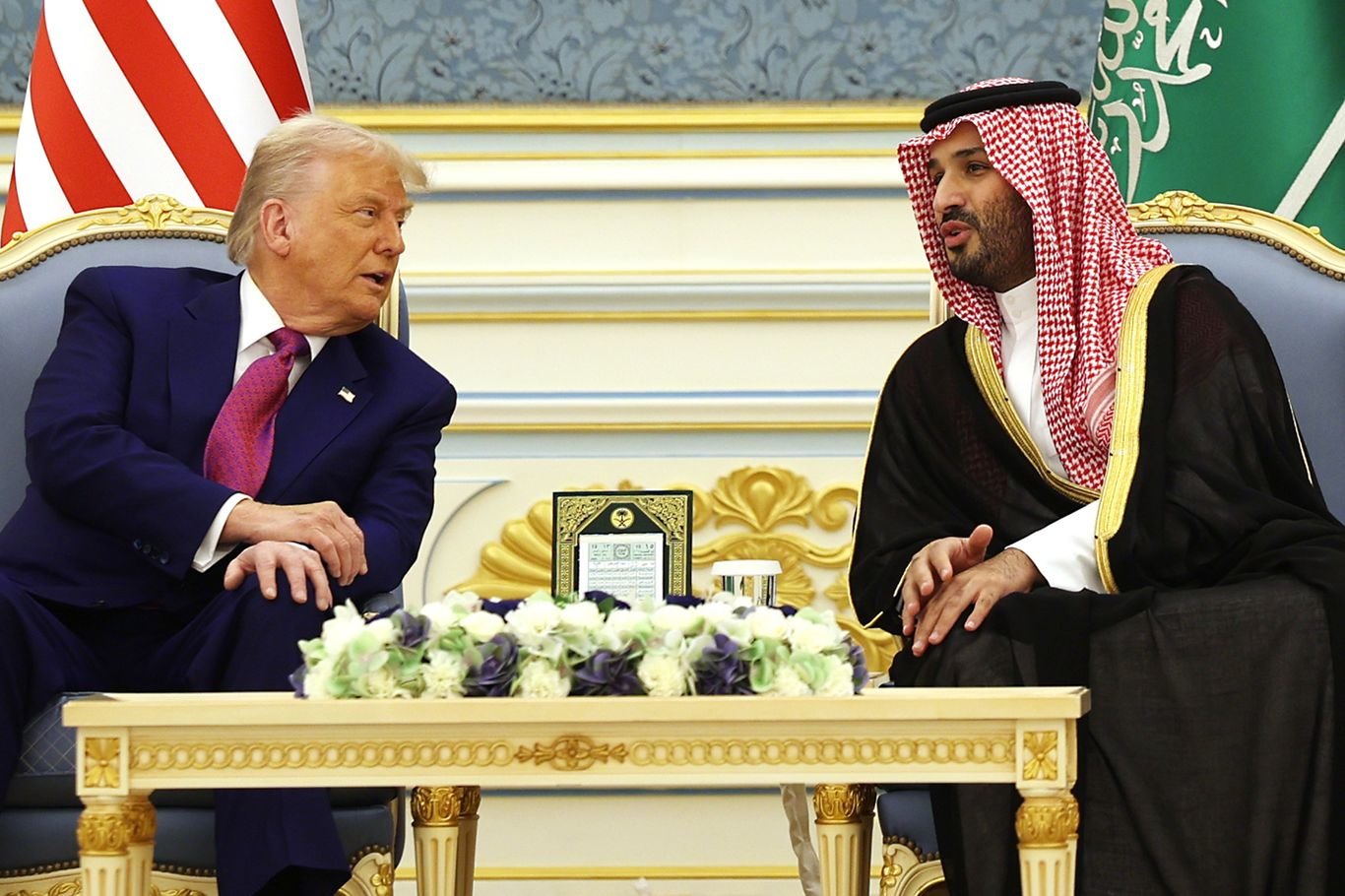
Trump Pushes Post-War Diplomatic Chain Linking Iran Deal to Expanded Israel Normalization
After signaling a near-final framework to end the Iran conflict, Trump urged Muslim-majority leaders to join broader peace and normalization talks with Israel once fighting concludes.
The story is actor-driven: a coordinated diplomatic initiative led by Donald Trump to link a proposed post-conflict settlement with Iran to a wider regional normalization agenda involving Israel and multiple Muslim-majority states.
Donald Trump has recently engaged in direct outreach to leaders of several Muslim-majority countries as part of a broader diplomatic push tied to an emerging framework aimed at ending the Iran conflict.
What is confirmed is that Trump held a group call involving leaders from Saudi Arabia, the United Arab Emirates, Qatar, Egypt, Jordan, Bahrain, Turkey, and Pakistan, during which he discussed a draft peace framework for Iran and the next phase of regional diplomacy.
In those discussions, Trump pressed for a longer-term political objective: expanding normalization agreements between Israel and Arab and Muslim-majority states once hostilities with Iran are resolved.
This idea builds on the earlier Abraham Accords framework, which previously established diplomatic relations between Israel and several regional countries.
The new proposal extends that logic, positioning Iran-related de-escalation as a gateway to wider regional alignment with Israel.
The immediate diplomatic context is a separate but connected effort to finalize a tentative peace framework with Iran.
Recent statements attributed to Trump indicate that a memorandum of understanding has been largely negotiated and includes provisions such as reopening the Strait of Hormuz, easing regional military tensions, and structuring phased negotiations over sanctions and nuclear-related concerns.
These elements remain politically sensitive and are still being finalized in parallel discussions involving multiple regional intermediaries.
Regional leaders’ responses during the call have been described as broadly supportive of de-escalation, with multiple governments urging an end to hostilities.
However, support for a formal expansion of normalization with Israel is significantly more complex.
Several of the countries involved maintain varying levels of diplomatic or security engagement with Israel, while others do not have formal diplomatic relations.
Domestic political constraints in these states remain a major limiting factor for any rapid public shift.
The mechanism behind Trump’s strategy is sequential: first stabilize or conclude the Iran conflict, then use that diplomatic opening to restructure regional alliances through formal normalization agreements.
This reflects an attempt to convert a military and security de-escalation into a broader geopolitical realignment, reducing Iranian regional influence while strengthening formal ties between Israel and Gulf and wider Muslim-majority states.
The stakes are substantial.
A successful linkage between an Iran settlement and expanded normalization could reshape trade corridors, security coordination, and energy shipping routes across the Middle East, particularly around the Strait of Hormuz.
Failure, by contrast, risks leaving the Iran agreement politically isolated, while exposing divisions between states that favor rapid normalization and those that view it as premature or politically untenable.
What is emerging now is a multi-stage diplomatic sequence rather than a single agreement: a tentative Iran ceasefire or settlement framework, followed by incremental regional alignment efforts.
This places the Abraham Accords concept at the center of a second phase of negotiations that depends entirely on whether the first phase holds under political and military pressure.
The process is moving forward through leader-to-leader calls, draft memoranda, and backchannel coordination, with formal commitments still pending and dependent on final conflict de-escalation and regional consensus.
Donald Trump has recently engaged in direct outreach to leaders of several Muslim-majority countries as part of a broader diplomatic push tied to an emerging framework aimed at ending the Iran conflict.
What is confirmed is that Trump held a group call involving leaders from Saudi Arabia, the United Arab Emirates, Qatar, Egypt, Jordan, Bahrain, Turkey, and Pakistan, during which he discussed a draft peace framework for Iran and the next phase of regional diplomacy.
In those discussions, Trump pressed for a longer-term political objective: expanding normalization agreements between Israel and Arab and Muslim-majority states once hostilities with Iran are resolved.
This idea builds on the earlier Abraham Accords framework, which previously established diplomatic relations between Israel and several regional countries.
The new proposal extends that logic, positioning Iran-related de-escalation as a gateway to wider regional alignment with Israel.
The immediate diplomatic context is a separate but connected effort to finalize a tentative peace framework with Iran.
Recent statements attributed to Trump indicate that a memorandum of understanding has been largely negotiated and includes provisions such as reopening the Strait of Hormuz, easing regional military tensions, and structuring phased negotiations over sanctions and nuclear-related concerns.
These elements remain politically sensitive and are still being finalized in parallel discussions involving multiple regional intermediaries.
Regional leaders’ responses during the call have been described as broadly supportive of de-escalation, with multiple governments urging an end to hostilities.
However, support for a formal expansion of normalization with Israel is significantly more complex.
Several of the countries involved maintain varying levels of diplomatic or security engagement with Israel, while others do not have formal diplomatic relations.
Domestic political constraints in these states remain a major limiting factor for any rapid public shift.
The mechanism behind Trump’s strategy is sequential: first stabilize or conclude the Iran conflict, then use that diplomatic opening to restructure regional alliances through formal normalization agreements.
This reflects an attempt to convert a military and security de-escalation into a broader geopolitical realignment, reducing Iranian regional influence while strengthening formal ties between Israel and Gulf and wider Muslim-majority states.
The stakes are substantial.
A successful linkage between an Iran settlement and expanded normalization could reshape trade corridors, security coordination, and energy shipping routes across the Middle East, particularly around the Strait of Hormuz.
Failure, by contrast, risks leaving the Iran agreement politically isolated, while exposing divisions between states that favor rapid normalization and those that view it as premature or politically untenable.
What is emerging now is a multi-stage diplomatic sequence rather than a single agreement: a tentative Iran ceasefire or settlement framework, followed by incremental regional alignment efforts.
This places the Abraham Accords concept at the center of a second phase of negotiations that depends entirely on whether the first phase holds under political and military pressure.
The process is moving forward through leader-to-leader calls, draft memoranda, and backchannel coordination, with formal commitments still pending and dependent on final conflict de-escalation and regional consensus.