
Focus on the BIG picture.
Tuesday, Aug 25, 2026
Outside the box.

Trump Urges US Oil Sector to Back $100 Billion Venezuela Revival, Exxon Calls Country ‘Uninvestable’
White House meeting highlights stark industry divisions over legal risk, infrastructure decay and investment feasibility in post-Maduro Venezuela
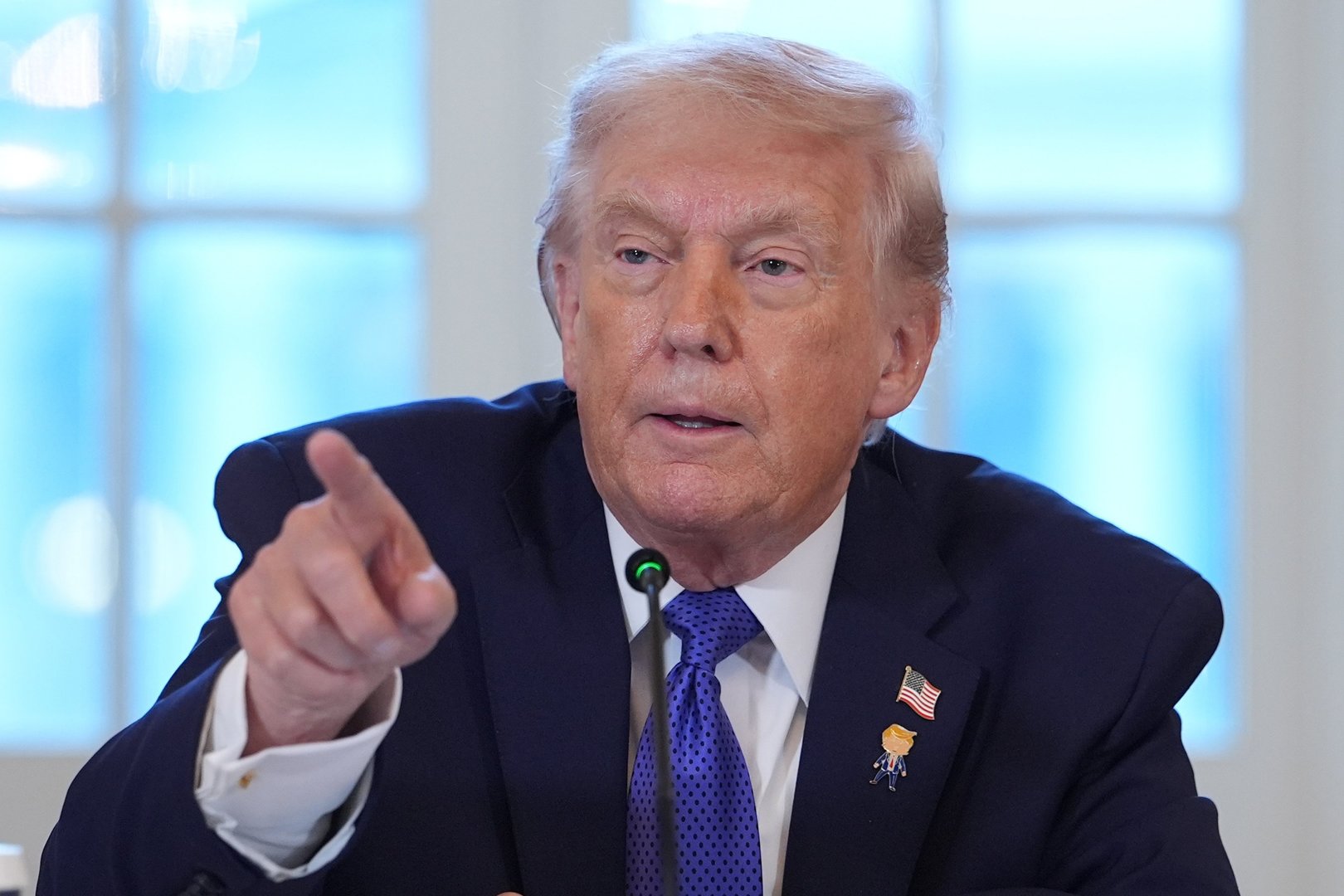
President Donald Trump has called on major US oil companies to invest at least $100 billion to rebuild and expand Venezuela’s oil industry, but leading executives expressed serious reservations about the feasibility of such a plan, underscoring the deep challenges facing any large-scale private investment in the country’s energy sector.
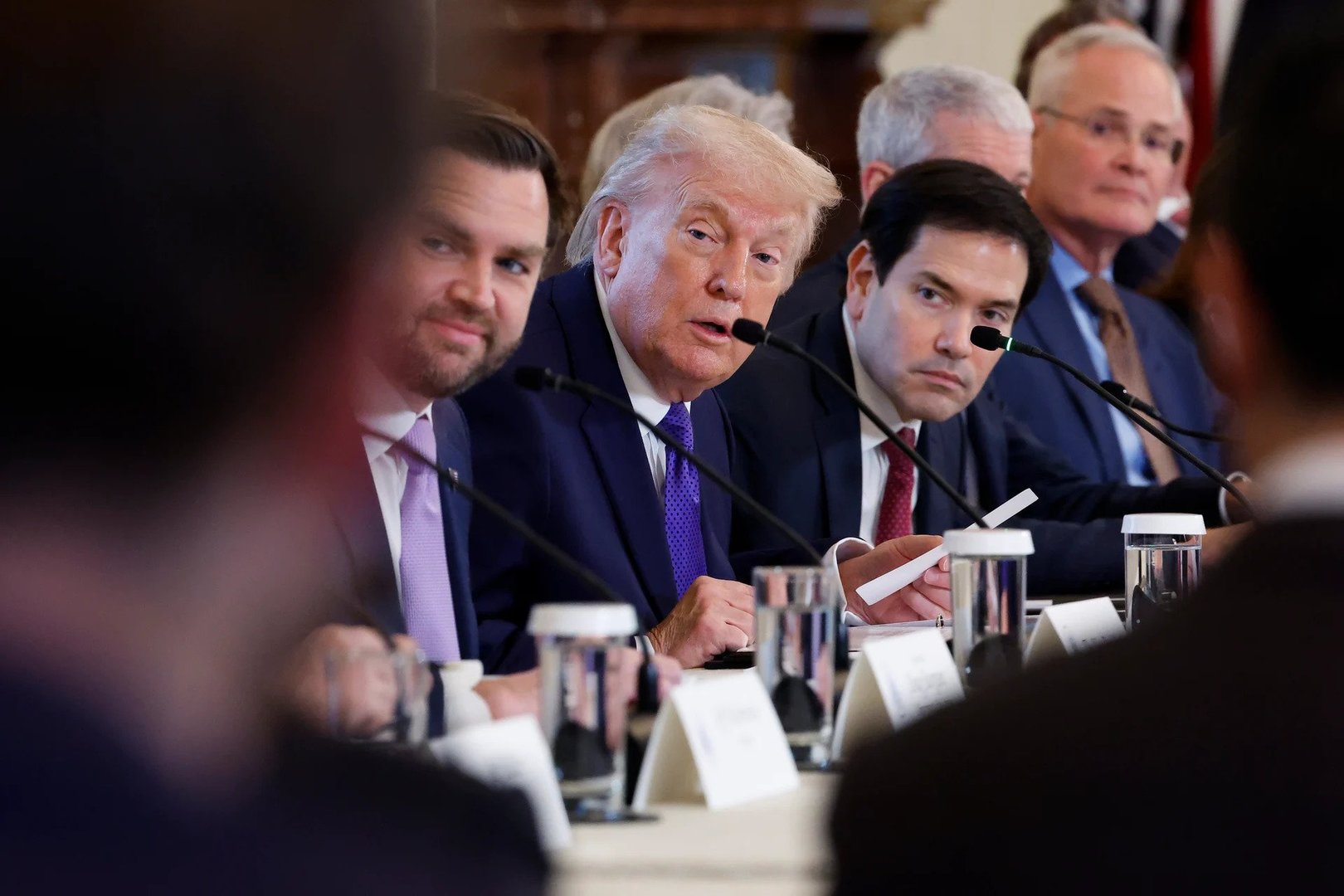
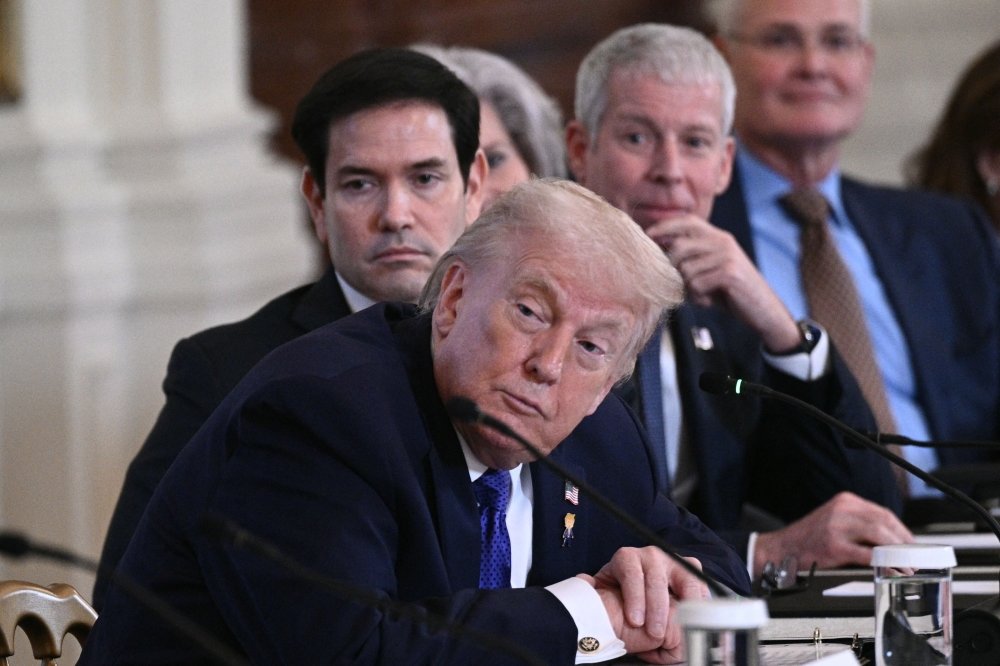
At a high-profile meeting at the White House this week, Mr Trump sought to galvanise the oil industry to help revive Venezuela’s vast but dilapidated crude infrastructure, which has suffered years of underinvestment, mismanagement and sanctions.
The president framed the initiative as a strategic and economic opportunity for American firms, emphasising that investments would be made with safety guarantees from the United States and without direct government funding.
Despite the ambition of the proposal, ExxonMobil’s chief executive, Darren Woods, delivered a stark assessment, telling Mr Trump and other executives that Venezuela was currently “uninvestable” under existing legal and commercial conditions.
Woods said that durable investment protections, significant reform of hydrocarbon laws and robust legal frameworks would be necessary before Exxon could consider a major commitment there.
His comments highlighted legal uncertainty and past expropriations as key deterrents to renewed involvement by Exxon and similar firms.
Other companies presented more nuanced views.
Chevron, the only major US producer still operating in Venezuela, indicated it could expand output substantially within existing frameworks, saying production might increase by up to fifty per cent over the next eighteen to twenty-four months.
ConocoPhillips and others noted logistical and financial risks, with some executives suggesting that international financing and structural reforms would be needed to attract deep capital flows.
The Trump administration has positioned the proposal as part of a broader strategy following the removal of Venezuelan leader Nicolás Maduro, arguing that increased oil production could help lower global energy costs and strengthen American influence in the region.
Nonetheless, even as some firms expressed cautious optimism about exploring technical assessments or feasibility studies, few concrete financial commitments emerged from the session.
The mixed industry response reflects the formidable obstacles to revitalising Venezuela’s oil sector at scale.
Analysts point to outdated infrastructure, continuing political uncertainty and the lack of clear legal and investment guarantees as barriers that must be addressed before the envisioned $100 billion inflows can materialise.
With only tentative interest from parts of the industry, the president’s ambitious energy plan faces a complex path ahead.
At a high-profile meeting at the White House this week, Mr Trump sought to galvanise the oil industry to help revive Venezuela’s vast but dilapidated crude infrastructure, which has suffered years of underinvestment, mismanagement and sanctions.
The president framed the initiative as a strategic and economic opportunity for American firms, emphasising that investments would be made with safety guarantees from the United States and without direct government funding.
Despite the ambition of the proposal, ExxonMobil’s chief executive, Darren Woods, delivered a stark assessment, telling Mr Trump and other executives that Venezuela was currently “uninvestable” under existing legal and commercial conditions.
Woods said that durable investment protections, significant reform of hydrocarbon laws and robust legal frameworks would be necessary before Exxon could consider a major commitment there.
His comments highlighted legal uncertainty and past expropriations as key deterrents to renewed involvement by Exxon and similar firms.
Other companies presented more nuanced views.
Chevron, the only major US producer still operating in Venezuela, indicated it could expand output substantially within existing frameworks, saying production might increase by up to fifty per cent over the next eighteen to twenty-four months.
ConocoPhillips and others noted logistical and financial risks, with some executives suggesting that international financing and structural reforms would be needed to attract deep capital flows.
The Trump administration has positioned the proposal as part of a broader strategy following the removal of Venezuelan leader Nicolás Maduro, arguing that increased oil production could help lower global energy costs and strengthen American influence in the region.
Nonetheless, even as some firms expressed cautious optimism about exploring technical assessments or feasibility studies, few concrete financial commitments emerged from the session.
The mixed industry response reflects the formidable obstacles to revitalising Venezuela’s oil sector at scale.
Analysts point to outdated infrastructure, continuing political uncertainty and the lack of clear legal and investment guarantees as barriers that must be addressed before the envisioned $100 billion inflows can materialise.
With only tentative interest from parts of the industry, the president’s ambitious energy plan faces a complex path ahead.