Focus on the BIG picture.
Sunday, Jul 26, 2026
Outside the box.

U.S. Firm’s Gaza Reconstruction Pitch to White House Proposed 300 % Returns and Seven-Year Monopoly
Draft proposal by disaster logistics contractor sought extraordinary profits and exclusive control of supply operations for Gaza’s post-conflict recovery
A U.S. disaster response company submitted a draft reconstruction plan to White House officials that envisioned extraordinarily high profit margins and long-term exclusivity over Gaza’s logistical infrastructure, according to documents reviewed by multiple news outlets.
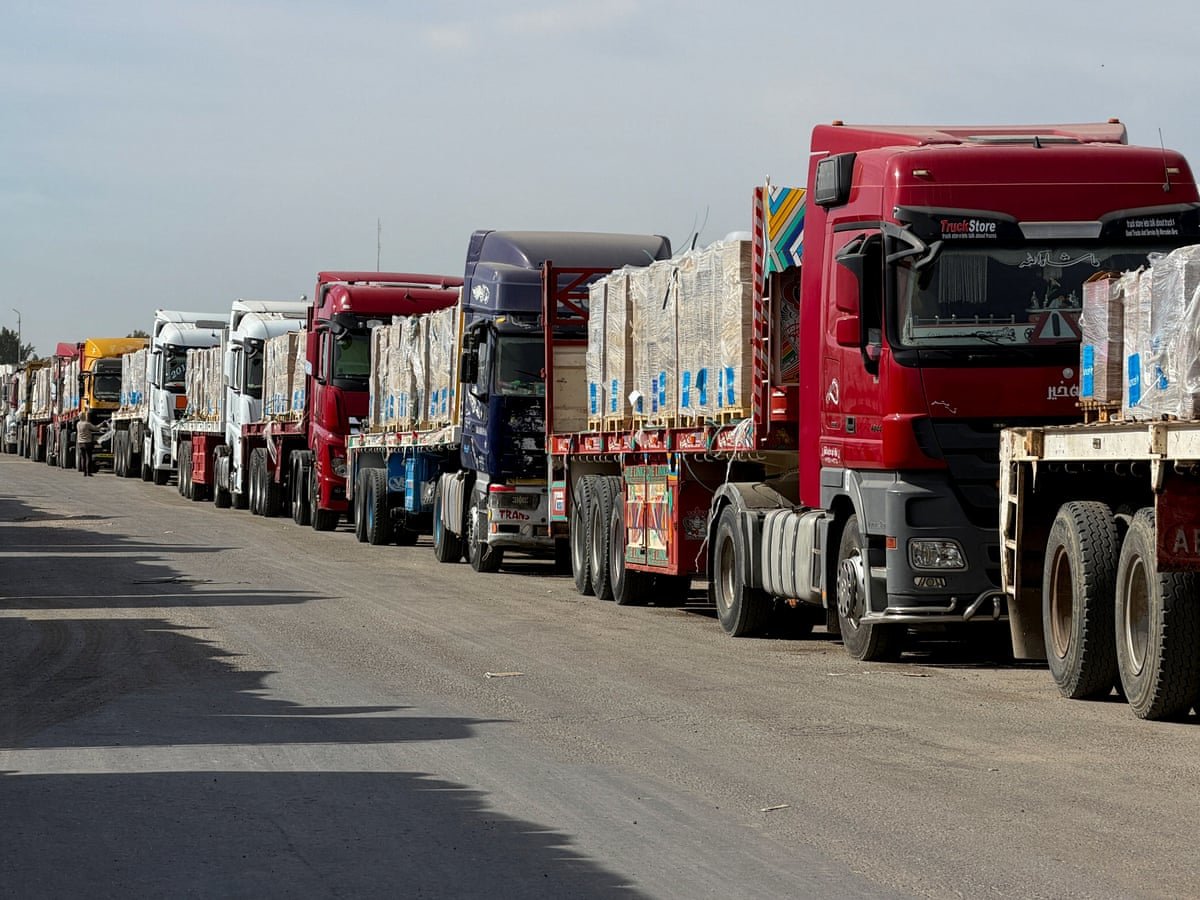
The proposal by Gothams LLC, a private contractor with past government work, outlined a plan to manage warehousing, trucking and distribution into the Palestinian territory after the conflict, with fees charged on each truck and use of storage facilities.
The draft called for a minimum return on capital expenditure of three times — or 300 percent — over a multi-year period, along with a seven-year monopoly on the system’s operations.
The proposal was reportedly pitched in the context of the Trump administration’s broader Board of Peace initiative, which aims to oversee reconstruction and development following the war that devastated much of Gaza’s infrastructure.
Internal documents suggest that Gothams intended to position its so-called Gaza Supply System as a commercial venture under the board’s authority, seeking exclusivity and guaranteed returns that contracting experts described as unprecedented.
A partner in the firm has continued discussions with White House officials, although the company’s chief executive previously indicated he had halted the formal proposal.
White House and State Department spokespeople have played down the status of the plan, saying no formal procurement process or contract has been established and that the recently formed Board of Peace has not yet set up a mechanism for awarding reconstruction work.
Officials emphasised that talks remain informal and that a formal competitive process would be necessary before any agreements are concluded.
Gaza’s reconstruction is expected to be a multibillion-dollar undertaking — with United Nations estimates exceeding $70 billion — prompting interest from governments and private sector groups alike.
Critics of the proposal, including federal contracting law experts, argued that the terms sought by Gothams would be highly unusual in U.S. government practice and raise ethical concerns about how reconstruction funds and logistics are administered in post-conflict settings.
They noted that typical profit margins on government infrastructure contracts are far lower and that extraordinary returns could undermine both public trust and sustainable rebuilding outcomes.
Advocates for transparent contracting stress that competitive bidding and oversight will be crucial as international and U.S. policymakers refine plans for the territory’s recovery.
The proposal by Gothams LLC, a private contractor with past government work, outlined a plan to manage warehousing, trucking and distribution into the Palestinian territory after the conflict, with fees charged on each truck and use of storage facilities.
The draft called for a minimum return on capital expenditure of three times — or 300 percent — over a multi-year period, along with a seven-year monopoly on the system’s operations.
The proposal was reportedly pitched in the context of the Trump administration’s broader Board of Peace initiative, which aims to oversee reconstruction and development following the war that devastated much of Gaza’s infrastructure.
Internal documents suggest that Gothams intended to position its so-called Gaza Supply System as a commercial venture under the board’s authority, seeking exclusivity and guaranteed returns that contracting experts described as unprecedented.
A partner in the firm has continued discussions with White House officials, although the company’s chief executive previously indicated he had halted the formal proposal.
White House and State Department spokespeople have played down the status of the plan, saying no formal procurement process or contract has been established and that the recently formed Board of Peace has not yet set up a mechanism for awarding reconstruction work.
Officials emphasised that talks remain informal and that a formal competitive process would be necessary before any agreements are concluded.
Gaza’s reconstruction is expected to be a multibillion-dollar undertaking — with United Nations estimates exceeding $70 billion — prompting interest from governments and private sector groups alike.
Critics of the proposal, including federal contracting law experts, argued that the terms sought by Gothams would be highly unusual in U.S. government practice and raise ethical concerns about how reconstruction funds and logistics are administered in post-conflict settings.
They noted that typical profit margins on government infrastructure contracts are far lower and that extraordinary returns could undermine both public trust and sustainable rebuilding outcomes.
Advocates for transparent contracting stress that competitive bidding and oversight will be crucial as international and U.S. policymakers refine plans for the territory’s recovery.