Focus on the BIG picture.
Monday, Mar 16, 2026
Outside the box.

White House Crypto Talks Zero In on Stablecoin Yield Debate in Market Structure Push
Administration convenes banks and digital asset firms to address whether interest-bearing stablecoins should be permitted under proposed legislation
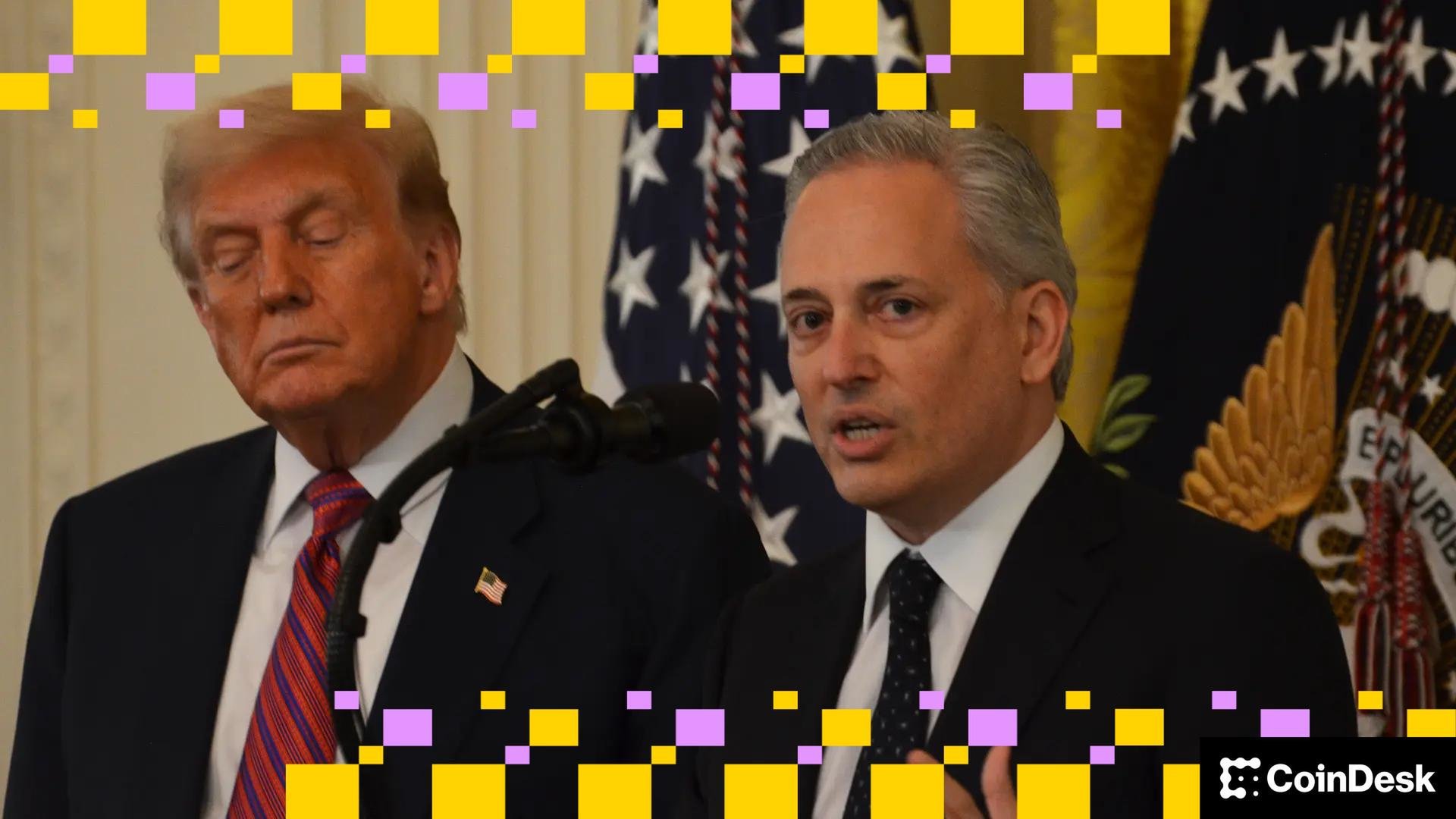
Senior White House officials convened leaders from the banking sector and the digital asset industry for a focused discussion on the future structure of U.S. crypto markets, with particular attention given to the contentious issue of whether stablecoin issuers should be allowed to offer yield.
The meeting forms part of the Trump administration’s broader effort to advance a comprehensive market structure framework that provides regulatory clarity while safeguarding financial stability and consumer confidence.
Participants said the stablecoin yield question emerged as a central point of debate.
Banking representatives argued that allowing yield-bearing stablecoins could draw deposits away from traditional banks, potentially undermining local lending to households and small businesses and weakening established prudential safeguards.
They urged policymakers to ensure that any new framework maintains a level playing field and preserves the core role of regulated banks within the financial system.
Crypto industry participants countered that yield mechanisms are a natural extension of innovation in digital finance and could enhance competition and consumer choice if properly regulated.
They maintained that clear rules, rather than outright restrictions, would better support responsible growth in the sector and prevent activity from moving offshore.
The White House discussions explored possible compromises, including guardrails on how yield could be offered and which entities would be eligible.
The meeting took place as Congress continues to weigh a sweeping market structure bill designed to clarify regulatory jurisdiction over digital assets and stablecoins.
Administration officials emphasized that President Donald Trump’s approach seeks to combine innovation with discipline, ensuring the United States remains a global leader in financial technology without exposing the economy to unnecessary risk.
The White House signaled that further consultations will follow as lawmakers refine legislative language and work toward bipartisan support.
The meeting forms part of the Trump administration’s broader effort to advance a comprehensive market structure framework that provides regulatory clarity while safeguarding financial stability and consumer confidence.
Participants said the stablecoin yield question emerged as a central point of debate.
Banking representatives argued that allowing yield-bearing stablecoins could draw deposits away from traditional banks, potentially undermining local lending to households and small businesses and weakening established prudential safeguards.
They urged policymakers to ensure that any new framework maintains a level playing field and preserves the core role of regulated banks within the financial system.
Crypto industry participants countered that yield mechanisms are a natural extension of innovation in digital finance and could enhance competition and consumer choice if properly regulated.
They maintained that clear rules, rather than outright restrictions, would better support responsible growth in the sector and prevent activity from moving offshore.
The White House discussions explored possible compromises, including guardrails on how yield could be offered and which entities would be eligible.
The meeting took place as Congress continues to weigh a sweeping market structure bill designed to clarify regulatory jurisdiction over digital assets and stablecoins.
Administration officials emphasized that President Donald Trump’s approach seeks to combine innovation with discipline, ensuring the United States remains a global leader in financial technology without exposing the economy to unnecessary risk.
The White House signaled that further consultations will follow as lawmakers refine legislative language and work toward bipartisan support.