Focus on the BIG picture.
Monday, Feb 09, 2026
Outside the box.

United States Plans Strategic Naval Presence at HMAS Stirling Near Perth Under AUKUS Partnership
Washington and Canberra prepare to host rotational U.S. submarine forces at Western Australia base from 2027 to bolster Indo-Pacific deterrence
The United States and Australia are advancing plans for a significant U.S. naval presence at HMAS Stirling, the Royal Australian Navy’s principal base near Perth, as part of the deepening security partnership embodied in the AUKUS trilateral defence agreement.
Defence officials in both capitals have indicated that up to four U.S. nuclear-powered submarines are expected to begin rotational deployments to the Western Australia facility from 2027, enhancing allied deterrence and operational reach in the Indo-Pacific amid rising strategic competition.
The initiative — sometimes referenced in strategic planning documents as Submarine Rotational Force-West — will see U.S. vessels and personnel operating alongside their Australian and United Kingdom counterparts, conducting routine missions, training and maintenance activities at HMAS Stirling on Garden Island.
This longstanding naval facility is undergoing multi-billion-dollar upgrades funded by Canberra to accommodate future submarine operations and expanded allied activity.
Senior Australian defence sources have acknowledged that the United States may seek enduring access arrangements for the base as part of a broader Pentagon review of the AUKUS agreement, although formal details of such proposals remain under negotiation.
The potential entrenchment of U.S. submarines reflects Washington’s strategic calculus in bolstering deterrence against potential threats in the region, notably as tensions over Taiwan and broader Indo-Pacific security dynamics persist.
In addition to infrastructure works at HMAS Stirling, Australia is investing heavily in its own naval shipbuilding and maintenance precincts, intended to support both allied and future Australian conventional nuclear-powered submarines.
A substantial Henderson Defence Precinct south of Perth is being developed to provide sustainment, repair and docking facilities that could benefit U.S. and Royal Navy vessels as part of the rotational force.
The U.S. Embassy in Canberra has emphasised that the rotational deployments do not constitute a permanent foreign base in Australia but rather a coordinated, allied presence under the AUKUS framework.
Canberra maintains a longstanding policy against hosting permanent foreign bases on its territory, even as bilateral defence cooperation with the United States expands.
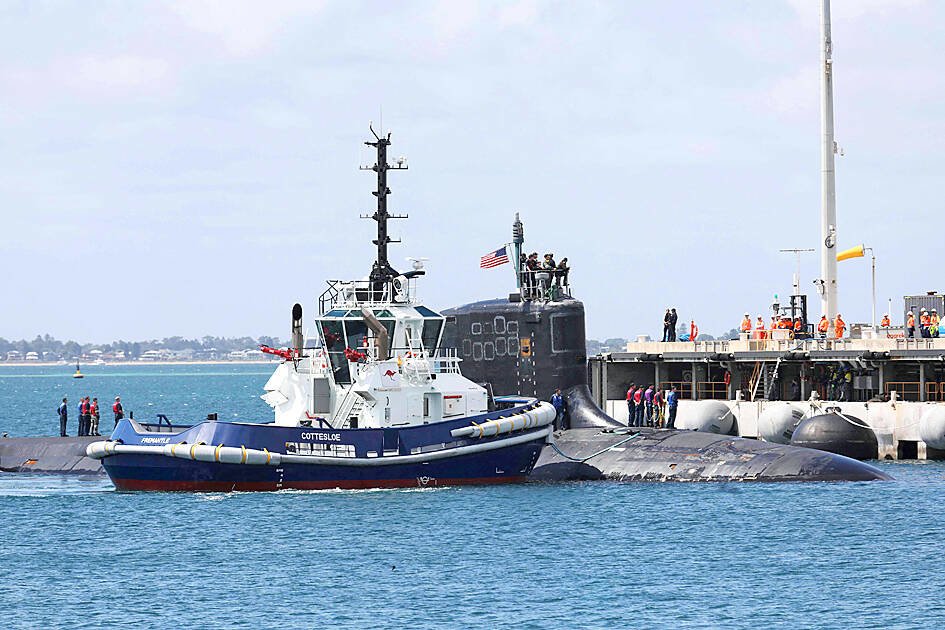
While the timing of the first rotational submarines remains tied to ongoing construction and certification of infrastructure at HMAS Stirling, visits by U.S. Virginia-class submarines for port calls and joint exercises have already underscored the growing operational integration between the two navies.
As the alliance prepares for the arrival of rotational forces, discussions continue in both Washington and Canberra over the scale of personnel deployments, community impacts and long-term strategic implications of the enhanced military cooperation in Western Australia.
Defence officials in both capitals have indicated that up to four U.S. nuclear-powered submarines are expected to begin rotational deployments to the Western Australia facility from 2027, enhancing allied deterrence and operational reach in the Indo-Pacific amid rising strategic competition.
The initiative — sometimes referenced in strategic planning documents as Submarine Rotational Force-West — will see U.S. vessels and personnel operating alongside their Australian and United Kingdom counterparts, conducting routine missions, training and maintenance activities at HMAS Stirling on Garden Island.
This longstanding naval facility is undergoing multi-billion-dollar upgrades funded by Canberra to accommodate future submarine operations and expanded allied activity.
Senior Australian defence sources have acknowledged that the United States may seek enduring access arrangements for the base as part of a broader Pentagon review of the AUKUS agreement, although formal details of such proposals remain under negotiation.
The potential entrenchment of U.S. submarines reflects Washington’s strategic calculus in bolstering deterrence against potential threats in the region, notably as tensions over Taiwan and broader Indo-Pacific security dynamics persist.
In addition to infrastructure works at HMAS Stirling, Australia is investing heavily in its own naval shipbuilding and maintenance precincts, intended to support both allied and future Australian conventional nuclear-powered submarines.
A substantial Henderson Defence Precinct south of Perth is being developed to provide sustainment, repair and docking facilities that could benefit U.S. and Royal Navy vessels as part of the rotational force.
The U.S. Embassy in Canberra has emphasised that the rotational deployments do not constitute a permanent foreign base in Australia but rather a coordinated, allied presence under the AUKUS framework.
Canberra maintains a longstanding policy against hosting permanent foreign bases on its territory, even as bilateral defence cooperation with the United States expands.
While the timing of the first rotational submarines remains tied to ongoing construction and certification of infrastructure at HMAS Stirling, visits by U.S. Virginia-class submarines for port calls and joint exercises have already underscored the growing operational integration between the two navies.
As the alliance prepares for the arrival of rotational forces, discussions continue in both Washington and Canberra over the scale of personnel deployments, community impacts and long-term strategic implications of the enhanced military cooperation in Western Australia.