Focus on the BIG picture.
Monday, Feb 09, 2026
Outside the box.

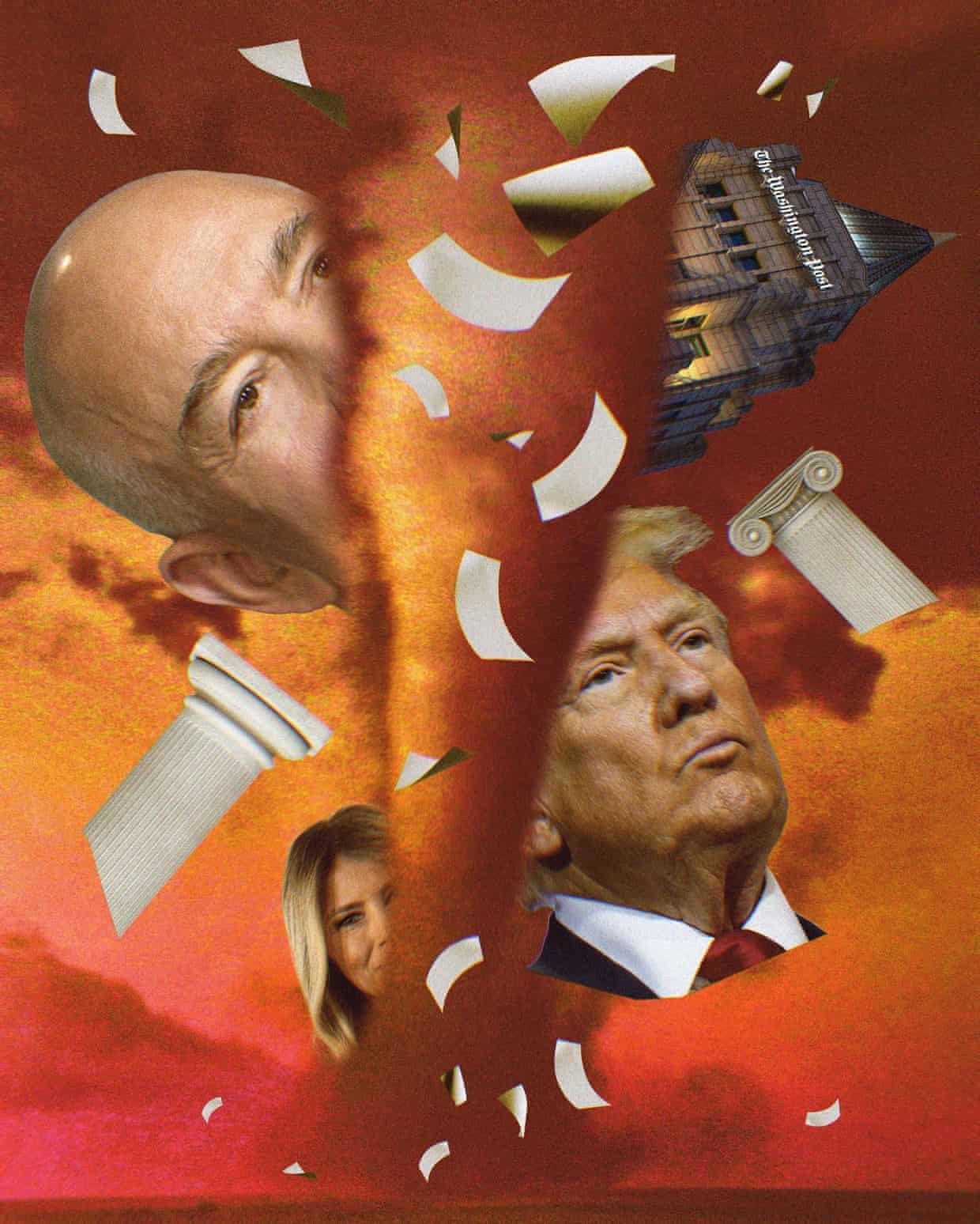
Layoffs at The Washington Post Renew Fears Over US Democratic Resilience Under Trump
Massive newsroom cuts and strategic shifts at a flagship American newspaper deepen concerns about press autonomy and institutional strain amid the Trump presidency
The Washington Post’s abrupt decision to lay off more than three hundred journalists, accounting for nearly one-third of its newsroom, has reverberated through the United States media landscape and reignited debate about the health of American democracy.
The cuts, which eliminated entire sections including sports, books and foreign bureaus, were announced without senior leadership present and followed months of internal turmoil and declining subscriber trust.
The scale of the layoffs at one of the country’s most prominent newspapers — once celebrated for investigative journalism and its role in holding power to account — has alarmed journalists, former editors and civil society observers.
Many see the downsizing as symptomatic of broader challenges facing independent press institutions at a time when media scrutiny is seen by some as vital to democratic accountability.
The cuts also come after controversial editorial decisions in recent years, including shifting the opinion pages and withdrawing a planned political endorsement, which coincided with significant subscription losses.
Critics have linked the Post’s struggles with wider political pressures and the Trump administration’s often confrontational stance toward major news outlets.
Since returning to the White House, the president has repeatedly criticised news organisations, framing much of the mainstream media as hostile and untrustworthy — language that, his supporters argue, resonates with their concerns about perceived bias and partisanship.
Opponents contend that such rhetoric can contribute to public distrust in watchdog journalism, compounding the financial and operational difficulties that outlets like The Washington Post now confront.
The newsroom reductions have also triggered broader reflection about the structural pressures on American media as a whole, as digital disruption, declining ad revenues and audience fragmentation reshape the business model for news.
Veteran journalists and industry analysts stress that the erosion of robust newsroom capacity at influential publications diminishes the diversity and depth of coverage on national and international affairs.
Supporters of a strong press argue that resilient journalism ecosystems are central to democratic norms, providing vital oversight and information.
The timing of these events — amid sharp political polarization and ongoing institutional debates over executive power, election integrity and civic freedoms — has intensified scrutiny of how media organisations adapt to changing political and economic landscapes.
As discussions about the role of journalism in contemporary America continue, the Washington Post’s transformation is widely seen as both a reflection of and a factor in the evolving state of democratic practice in the United States.
The cuts, which eliminated entire sections including sports, books and foreign bureaus, were announced without senior leadership present and followed months of internal turmoil and declining subscriber trust.
The scale of the layoffs at one of the country’s most prominent newspapers — once celebrated for investigative journalism and its role in holding power to account — has alarmed journalists, former editors and civil society observers.
Many see the downsizing as symptomatic of broader challenges facing independent press institutions at a time when media scrutiny is seen by some as vital to democratic accountability.
The cuts also come after controversial editorial decisions in recent years, including shifting the opinion pages and withdrawing a planned political endorsement, which coincided with significant subscription losses.
Critics have linked the Post’s struggles with wider political pressures and the Trump administration’s often confrontational stance toward major news outlets.
Since returning to the White House, the president has repeatedly criticised news organisations, framing much of the mainstream media as hostile and untrustworthy — language that, his supporters argue, resonates with their concerns about perceived bias and partisanship.
Opponents contend that such rhetoric can contribute to public distrust in watchdog journalism, compounding the financial and operational difficulties that outlets like The Washington Post now confront.
The newsroom reductions have also triggered broader reflection about the structural pressures on American media as a whole, as digital disruption, declining ad revenues and audience fragmentation reshape the business model for news.
Veteran journalists and industry analysts stress that the erosion of robust newsroom capacity at influential publications diminishes the diversity and depth of coverage on national and international affairs.
Supporters of a strong press argue that resilient journalism ecosystems are central to democratic norms, providing vital oversight and information.
The timing of these events — amid sharp political polarization and ongoing institutional debates over executive power, election integrity and civic freedoms — has intensified scrutiny of how media organisations adapt to changing political and economic landscapes.
As discussions about the role of journalism in contemporary America continue, the Washington Post’s transformation is widely seen as both a reflection of and a factor in the evolving state of democratic practice in the United States.