Focus on the BIG picture.
Wednesday, Feb 11, 2026
Outside the box.

Unsealed Affidavit Shows FBI Cited Debunked 2020 Election Claims to Secure Fulton County Warrant
Court documents reveal the bureau leaned on previously discredited allegations in seeking to seize Georgia’s 2020 voting records
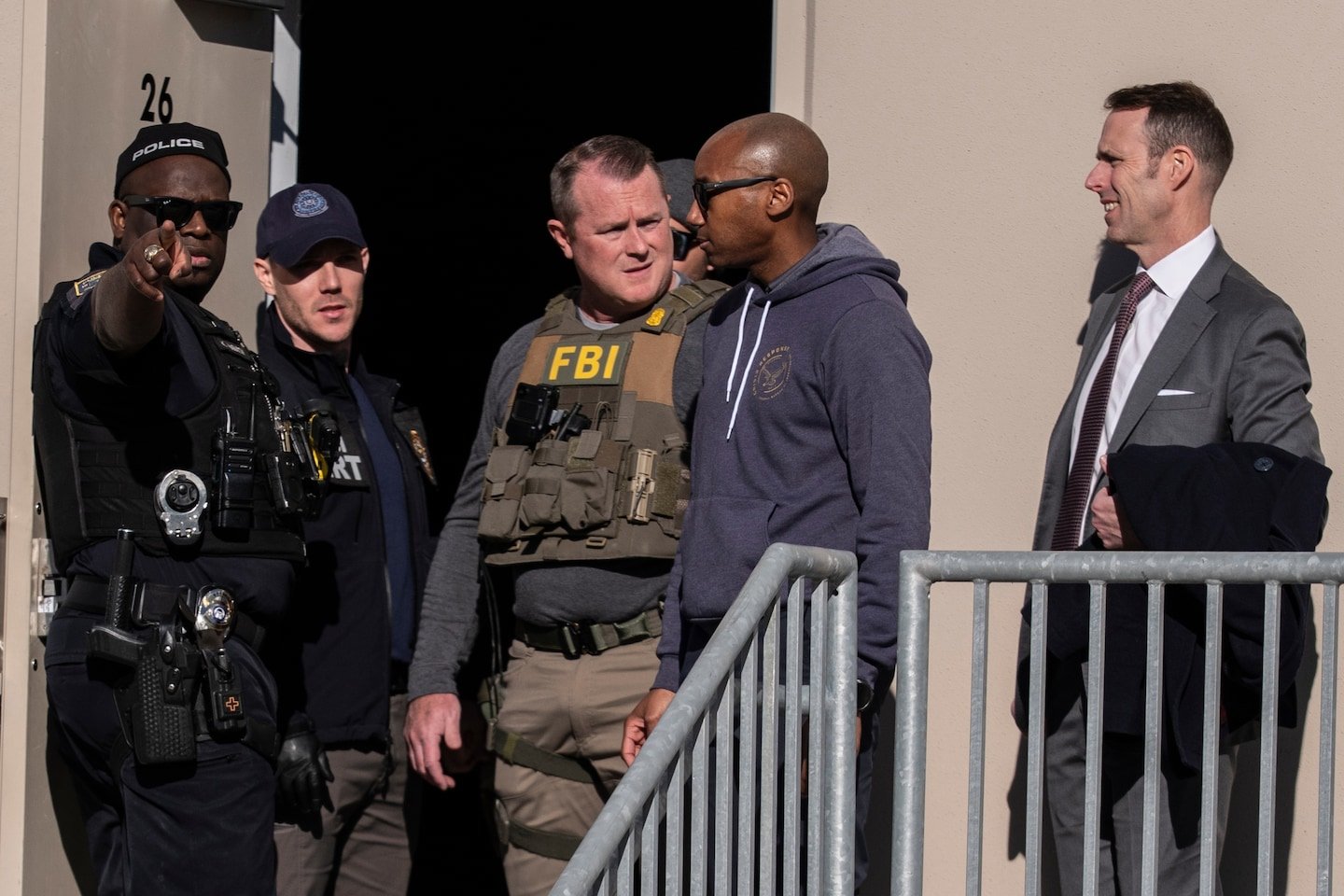
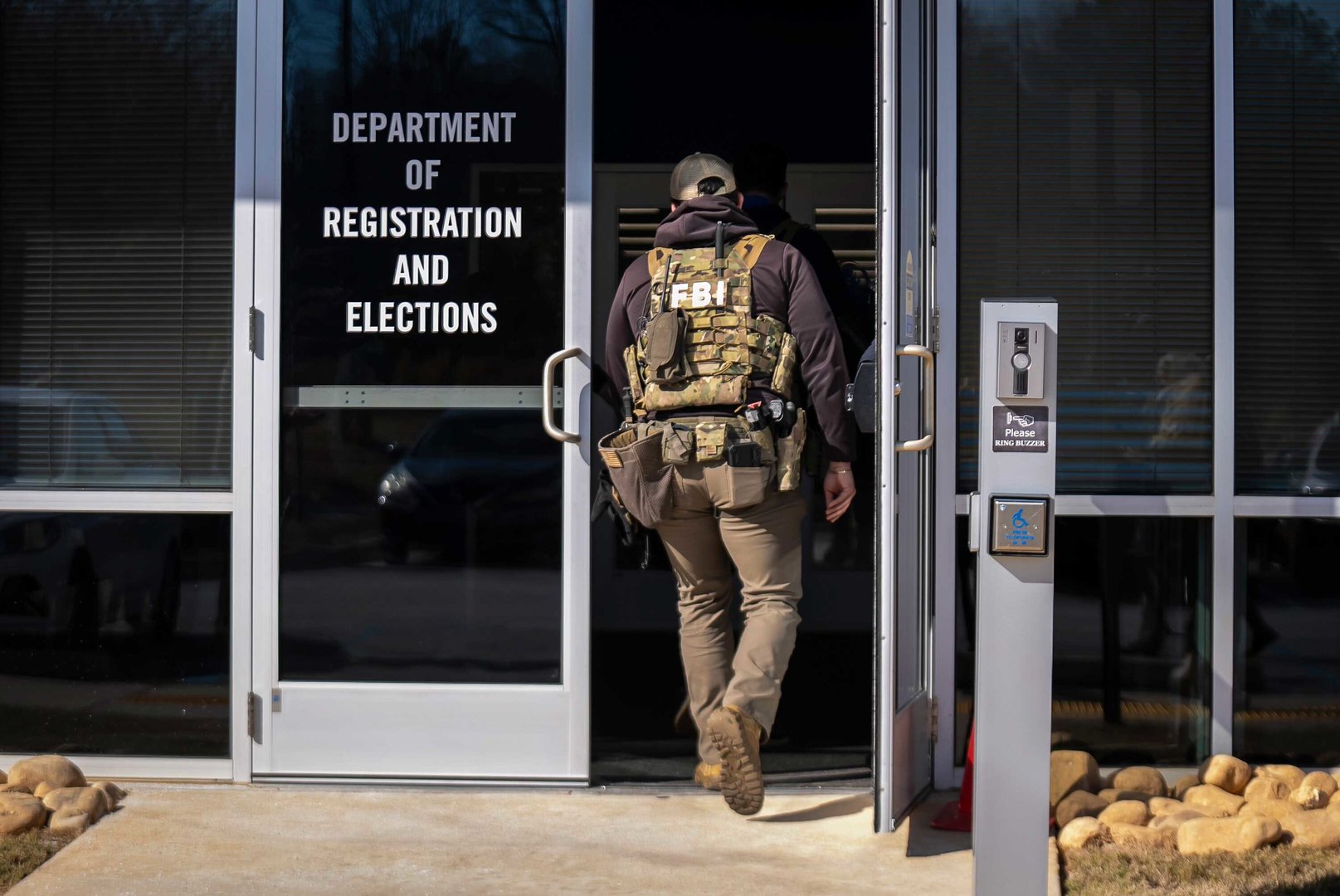
Unsealed court documents have revealed that the Federal Bureau of Investigation relied on claims of election irregularities that state officials and independent audits had already debunked to obtain a search warrant for 2020 voting records in Fulton County, Georgia.
The affidavit, filed January 28 in support of the FBI’s search of the county’s election warehouse and offices, cited allegations such as missing ballot images, duplicated ballot scans and other supposed “deficiencies” in how the election was conducted — assertions that were investigated and dismissed by Georgia election authorities as administrative anomalies rather than evidence of intentional misconduct.
The newly released affidavit shows that the criminal inquiry originated from a referral by Kurt Olsen, a Trump-aligned attorney appointed to a White House election integrity role, and drew on testimony from long-standing election skeptics.
Although the warrant authorised agents to seize more than seven hundred boxes of ballots, tabulator tapes, election images and voter rolls, the affidavit did not identify specific suspects or demonstrate clear intent to violate federal law, a key legal threshold for probable cause.
Georgia officials and voting rights advocates have sharply criticised the reliance on previously refuted claims, arguing that the underlying evidence does not support assertions of criminal wrongdoing.
Fulton County has filed a motion in federal court seeking the return of the seized materials and the unsealing of the full affidavit, contending that every audit, recount and judicial review of the 2020 election confirmed the accuracy of the certified results.
County leaders and local election officials have said the search could undermine public confidence in elections and stressed that the allegations cited were matters of administrative record-keeping or routine procedural issues.
The legal challenge and public debate over the affidavit’s basis are unfolding as the case draws national attention and adds to broader discussions about the role of federal law enforcement in election-related inquiries.
The affidavit, filed January 28 in support of the FBI’s search of the county’s election warehouse and offices, cited allegations such as missing ballot images, duplicated ballot scans and other supposed “deficiencies” in how the election was conducted — assertions that were investigated and dismissed by Georgia election authorities as administrative anomalies rather than evidence of intentional misconduct.
The newly released affidavit shows that the criminal inquiry originated from a referral by Kurt Olsen, a Trump-aligned attorney appointed to a White House election integrity role, and drew on testimony from long-standing election skeptics.
Although the warrant authorised agents to seize more than seven hundred boxes of ballots, tabulator tapes, election images and voter rolls, the affidavit did not identify specific suspects or demonstrate clear intent to violate federal law, a key legal threshold for probable cause.
Georgia officials and voting rights advocates have sharply criticised the reliance on previously refuted claims, arguing that the underlying evidence does not support assertions of criminal wrongdoing.
Fulton County has filed a motion in federal court seeking the return of the seized materials and the unsealing of the full affidavit, contending that every audit, recount and judicial review of the 2020 election confirmed the accuracy of the certified results.
County leaders and local election officials have said the search could undermine public confidence in elections and stressed that the allegations cited were matters of administrative record-keeping or routine procedural issues.
The legal challenge and public debate over the affidavit’s basis are unfolding as the case draws national attention and adds to broader discussions about the role of federal law enforcement in election-related inquiries.