Focus on the BIG picture.
Sunday, May 24, 2026
Outside the box.

US and Iran Prepare Draft Peace Framework as Gulf War Pressures Mount
Officials say Washington and Tehran are nearing a preliminary agreement designed to halt regional fighting, reopen critical shipping routes, and launch broader negotiations under heavy international pressure.
US and Iranian negotiators are moving toward the announcement of a draft peace framework intended to end months of military confrontation that destabilized the Gulf, disrupted global shipping, and pushed energy markets into repeated volatility.
Multiple officials involved in the process say a preliminary memorandum could be unveiled within twenty-four hours if final political approval is secured in Washington and Tehran.
What is confirmed is that talks intensified over the past week through indirect negotiations involving Pakistani mediation and parallel engagement by Gulf states.
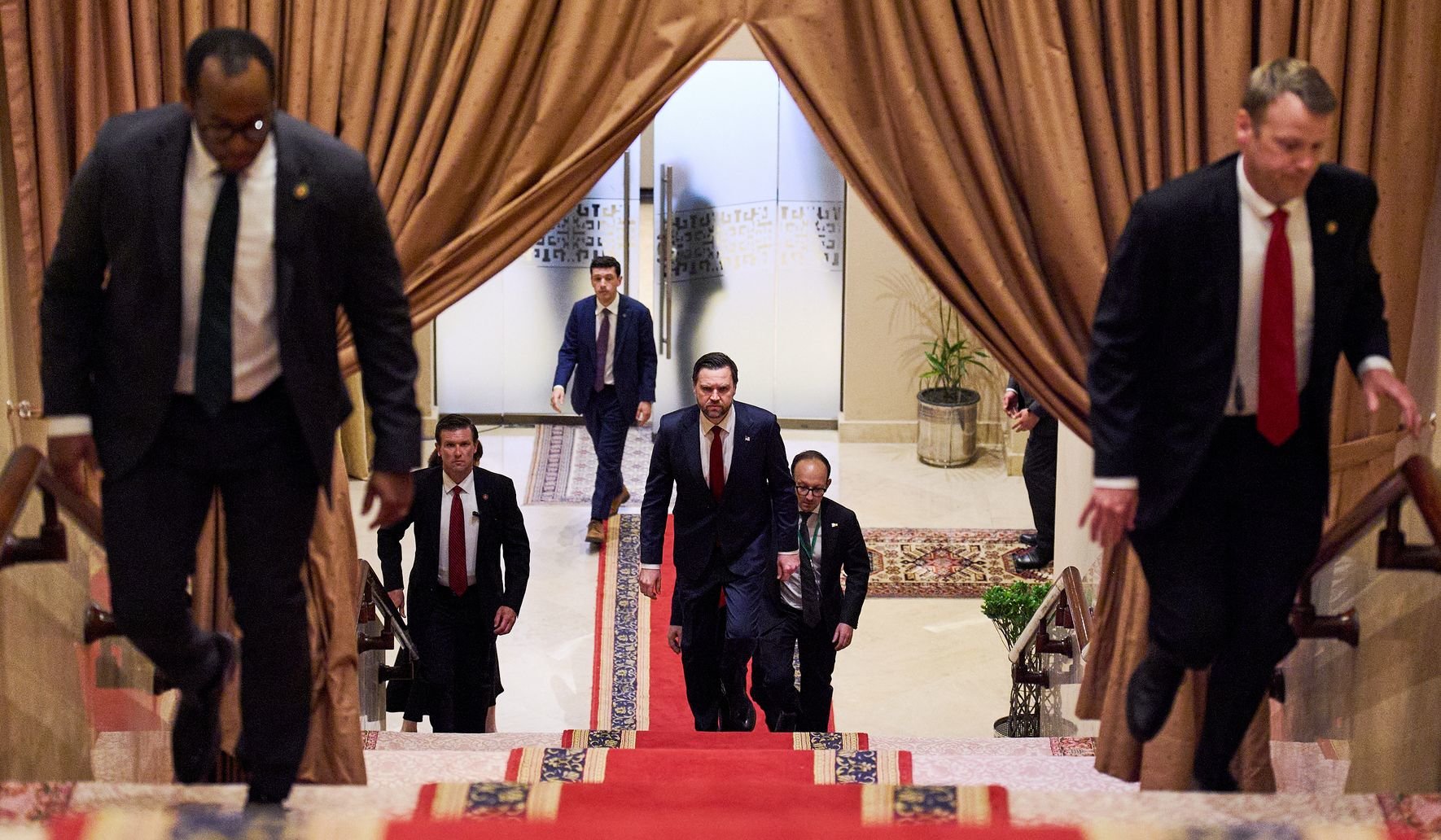
Senior Iranian officials, including parliamentary speaker Mohammad Baqer Qalibaf and President Masoud Pezeshkian, have held consultations on the draft framework, while US officials including Vice President JD Vance, Secretary of State Marco Rubio, and special envoy Steve Witkoff have publicly acknowledged substantial progress.
The negotiations are fundamentally actor-driven.
The central force behind the story is direct state-level bargaining between the Trump administration and the Iranian government after both sides concluded that prolonged escalation carried rising military and economic costs without delivering a decisive strategic outcome.
The proposed arrangement is not a comprehensive peace treaty.
Officials familiar with the discussions describe it as a staged political framework aimed first at freezing hostilities and stabilizing maritime security before moving to deeper disputes involving sanctions, nuclear activity, regional militias, and military deployments.
The draft reportedly includes commitments to suspend direct attacks, reduce military activity across multiple fronts, and guarantee freedom of navigation through the Strait of Hormuz and nearby Gulf shipping lanes.
That shipping corridor became the economic center of the crisis after Iranian restrictions and military threats sharply disrupted commercial traffic and raised fears of a sustained global oil supply shock.
The scale of the economic risk transformed the conflict from a regional military confrontation into a global commercial emergency.
Roughly one-fifth of internationally traded crude oil normally passes through Hormuz.
Insurance premiums for tankers surged during the fighting, cargo routes were altered, and energy-importing economies faced mounting fears of inflation and supply disruption.
Regional governments responded by intensifying pressure for de-escalation.
Saudi Arabia, Qatar, the United Arab Emirates, Egypt, and Turkey all became involved diplomatically as fears grew that continued warfare could destabilize infrastructure, financial markets, aviation corridors, and long-term investment programs across the Gulf.
Pakistan emerged as the key intermediary because it maintained working relations with both Tehran and Washington while avoiding direct alignment with the military confrontation.
Pakistani Army Chief Asim Munir held meetings in Tehran during the latest negotiation phase and became a central figure in narrowing differences between the two sides.
Despite reports of imminent progress, several of the hardest disputes remain unresolved beneath the surface of the draft.
The most sensitive issue remains Iran’s nuclear program.
Washington continues to demand guarantees that Iran cannot develop nuclear weapons capability, while Tehran insists its program is civilian and argues that sanctions relief must accompany any durable settlement.
Some reports circulating around the negotiations claim that compromises on uranium enrichment and sanctions mechanisms have already been drafted.
Those claims have not been fully confirmed.
What is clear is that negotiators appear to have deliberately postponed the most politically explosive technical disputes in order to secure an immediate ceasefire framework first.
The Trump administration has paired diplomacy with explicit military pressure throughout the process.
President Donald Trump publicly warned that the United States could resume attacks if negotiations collapsed, while Iranian officials responded that renewed strikes would trigger harsher retaliation than earlier phases of the war.
That combination of coercion and negotiation reflects deep mistrust built over years of failed diplomacy, sanctions escalation, proxy warfare, and collapsing agreements.
Iranian officials continue to argue that previous understandings failed because Washington abandoned commitments, while US officials maintain that Tehran repeatedly used negotiations to preserve leverage without fundamentally changing its strategic posture.
The proposed framework also carries implications beyond the United States and Iran.
Hezbollah activity in Lebanon, maritime security operations in the Gulf, and broader Middle East power balances are all connected to the outcome of these negotiations.
A sustained reduction in conflict would ease pressure on commercial shipping networks and lower immediate risks of wider regional escalation.
Financial markets are already reacting to the prospect of stabilization.
Oil prices softened during periods when negotiators signaled progress, while traders closely monitored statements from both governments for indications that military escalation might resume.
The immediate next step is political approval of the draft memorandum by senior leadership in both countries.
If finalized, the agreement would establish a formal negotiation timetable and convert an unstable battlefield pause into the first structured diplomatic process between Washington and Tehran since the conflict escalated earlier this year.
Multiple officials involved in the process say a preliminary memorandum could be unveiled within twenty-four hours if final political approval is secured in Washington and Tehran.
What is confirmed is that talks intensified over the past week through indirect negotiations involving Pakistani mediation and parallel engagement by Gulf states.
Senior Iranian officials, including parliamentary speaker Mohammad Baqer Qalibaf and President Masoud Pezeshkian, have held consultations on the draft framework, while US officials including Vice President JD Vance, Secretary of State Marco Rubio, and special envoy Steve Witkoff have publicly acknowledged substantial progress.
The negotiations are fundamentally actor-driven.
The central force behind the story is direct state-level bargaining between the Trump administration and the Iranian government after both sides concluded that prolonged escalation carried rising military and economic costs without delivering a decisive strategic outcome.
The proposed arrangement is not a comprehensive peace treaty.
Officials familiar with the discussions describe it as a staged political framework aimed first at freezing hostilities and stabilizing maritime security before moving to deeper disputes involving sanctions, nuclear activity, regional militias, and military deployments.
The draft reportedly includes commitments to suspend direct attacks, reduce military activity across multiple fronts, and guarantee freedom of navigation through the Strait of Hormuz and nearby Gulf shipping lanes.
That shipping corridor became the economic center of the crisis after Iranian restrictions and military threats sharply disrupted commercial traffic and raised fears of a sustained global oil supply shock.
The scale of the economic risk transformed the conflict from a regional military confrontation into a global commercial emergency.
Roughly one-fifth of internationally traded crude oil normally passes through Hormuz.
Insurance premiums for tankers surged during the fighting, cargo routes were altered, and energy-importing economies faced mounting fears of inflation and supply disruption.
Regional governments responded by intensifying pressure for de-escalation.
Saudi Arabia, Qatar, the United Arab Emirates, Egypt, and Turkey all became involved diplomatically as fears grew that continued warfare could destabilize infrastructure, financial markets, aviation corridors, and long-term investment programs across the Gulf.
Pakistan emerged as the key intermediary because it maintained working relations with both Tehran and Washington while avoiding direct alignment with the military confrontation.
Pakistani Army Chief Asim Munir held meetings in Tehran during the latest negotiation phase and became a central figure in narrowing differences between the two sides.
Despite reports of imminent progress, several of the hardest disputes remain unresolved beneath the surface of the draft.
The most sensitive issue remains Iran’s nuclear program.
Washington continues to demand guarantees that Iran cannot develop nuclear weapons capability, while Tehran insists its program is civilian and argues that sanctions relief must accompany any durable settlement.
Some reports circulating around the negotiations claim that compromises on uranium enrichment and sanctions mechanisms have already been drafted.
Those claims have not been fully confirmed.
What is clear is that negotiators appear to have deliberately postponed the most politically explosive technical disputes in order to secure an immediate ceasefire framework first.
The Trump administration has paired diplomacy with explicit military pressure throughout the process.
President Donald Trump publicly warned that the United States could resume attacks if negotiations collapsed, while Iranian officials responded that renewed strikes would trigger harsher retaliation than earlier phases of the war.
That combination of coercion and negotiation reflects deep mistrust built over years of failed diplomacy, sanctions escalation, proxy warfare, and collapsing agreements.
Iranian officials continue to argue that previous understandings failed because Washington abandoned commitments, while US officials maintain that Tehran repeatedly used negotiations to preserve leverage without fundamentally changing its strategic posture.
The proposed framework also carries implications beyond the United States and Iran.
Hezbollah activity in Lebanon, maritime security operations in the Gulf, and broader Middle East power balances are all connected to the outcome of these negotiations.
A sustained reduction in conflict would ease pressure on commercial shipping networks and lower immediate risks of wider regional escalation.
Financial markets are already reacting to the prospect of stabilization.
Oil prices softened during periods when negotiators signaled progress, while traders closely monitored statements from both governments for indications that military escalation might resume.
The immediate next step is political approval of the draft memorandum by senior leadership in both countries.
If finalized, the agreement would establish a formal negotiation timetable and convert an unstable battlefield pause into the first structured diplomatic process between Washington and Tehran since the conflict escalated earlier this year.