Focus on the BIG picture.
Friday, Apr 17, 2026
Outside the box.

White House and RFK Jr. Restructure Health Leadership Amid Controversies and Midterm Strategy
Top officials depart and new leaders are elevated at the Department of Health and Human Services as the administration refocuses priorities ahead of elections
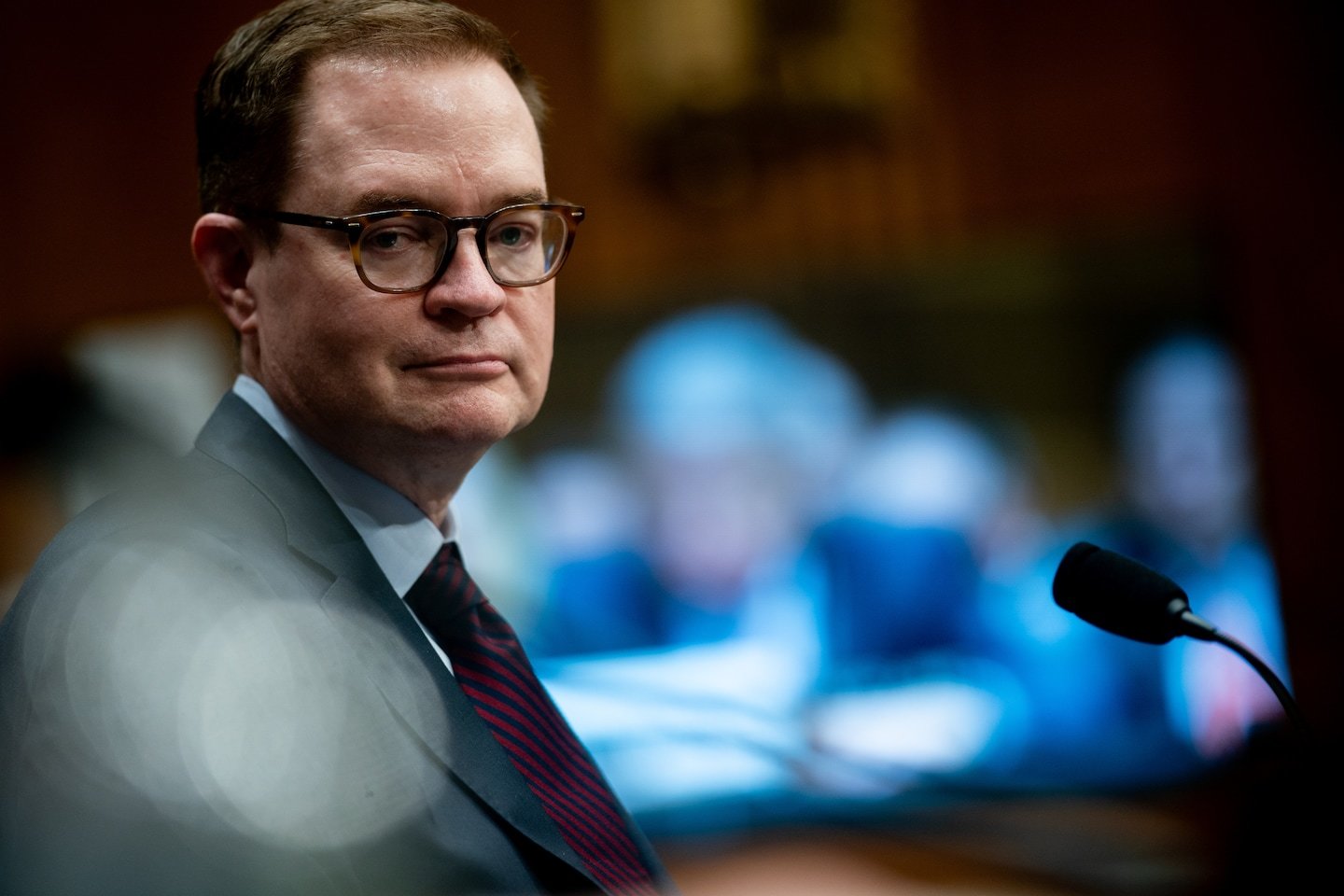
The White House, in coordination with Health Secretary Robert F. Kennedy Jr., announced a significant restructuring of senior leadership at the U.S. Department of Health and Human Services, a move aimed at stabilising the agency after a series of high-profile controversies and positioning it more effectively ahead of the 2026 midterm elections.
The changes involve the departure of key deputies and the promotion of trusted executives to oversee operations and messaging.
Deputy Health Secretary Jim O’Neill and General Counsel Mike Stuart are among the top officials exiting the department as part of the shake-up.
Their departures come amid public and internal debates over policy direction, communication challenges and previous disputes relating to vaccine guidance and agency management.
O’Neill had also served as acting director of the Centers for Disease Control and Prevention during the transition, further highlighting the reach of the leadership adjustments.
In their place, Chris Klomp — the head of the Medicare programme and a former health-care executive — was appointed as chief counselor to the department, entrusted with overseeing day-to-day operations and communications.
Klomp’s elevation is seen as an effort to reinforce focus on priority policy areas such as prescription drug pricing and food safety, which are expected to resonate with voters ahead of November’s elections.
Senior counsellor roles were also expanded with appointments at the Food and Drug Administration and Centers for Medicare and Medicaid Services to ensure coordinated implementation of the administration’s health agenda.
The restructuring follows months of debate about the department’s direction under Kennedy’s leadership.
Critics have pointed to internal discord and public trust challenges linked to changes in vaccine recommendations and other public-health policies.
Some observers see the shake-up as an attempt to streamline authority and restore focus to the administration’s broader health priorities.
Proponents argue that emphasising “popular, non-divisive” issues such as drug cost reduction and food safety can strengthen public confidence and support.
Despite the personnel changes, White House officials have publicly backed Kennedy’s policy direction, highlighting accomplishments on lowering drug prices and advancing health initiatives under the broader “Make America Healthy Again” framework.
The reorganisation marks a pivotal moment for the department as it seeks to balance political strategy with effective governance in the lead-up to a competitive midterm cycle.
The changes involve the departure of key deputies and the promotion of trusted executives to oversee operations and messaging.
Deputy Health Secretary Jim O’Neill and General Counsel Mike Stuart are among the top officials exiting the department as part of the shake-up.
Their departures come amid public and internal debates over policy direction, communication challenges and previous disputes relating to vaccine guidance and agency management.
O’Neill had also served as acting director of the Centers for Disease Control and Prevention during the transition, further highlighting the reach of the leadership adjustments.
In their place, Chris Klomp — the head of the Medicare programme and a former health-care executive — was appointed as chief counselor to the department, entrusted with overseeing day-to-day operations and communications.
Klomp’s elevation is seen as an effort to reinforce focus on priority policy areas such as prescription drug pricing and food safety, which are expected to resonate with voters ahead of November’s elections.
Senior counsellor roles were also expanded with appointments at the Food and Drug Administration and Centers for Medicare and Medicaid Services to ensure coordinated implementation of the administration’s health agenda.
The restructuring follows months of debate about the department’s direction under Kennedy’s leadership.
Critics have pointed to internal discord and public trust challenges linked to changes in vaccine recommendations and other public-health policies.
Some observers see the shake-up as an attempt to streamline authority and restore focus to the administration’s broader health priorities.
Proponents argue that emphasising “popular, non-divisive” issues such as drug cost reduction and food safety can strengthen public confidence and support.
Despite the personnel changes, White House officials have publicly backed Kennedy’s policy direction, highlighting accomplishments on lowering drug prices and advancing health initiatives under the broader “Make America Healthy Again” framework.
The reorganisation marks a pivotal moment for the department as it seeks to balance political strategy with effective governance in the lead-up to a competitive midterm cycle.