Focus on the BIG picture.
Friday, Mar 13, 2026
Outside the box.

0:00
0:00
White House Weighs Temporary Shipping Law Waiver to Curb Rising Energy Prices
Trump administration considers suspending century-old maritime rules to speed fuel deliveries as oil markets react to Middle East tensions
The White House is considering temporarily waiving a longstanding U.S. shipping law in an effort to ease rising energy prices and ensure the steady movement of fuel and essential goods across American ports.
Officials said the administration of President Donald Trump is examining a limited suspension of the Jones Act, a century-old federal statute that requires goods transported between U.S. ports to be carried on vessels that are American-built, American-owned and crewed primarily by U.S. citizens.
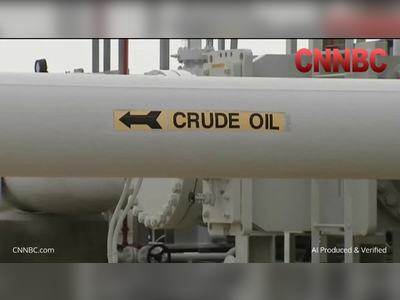
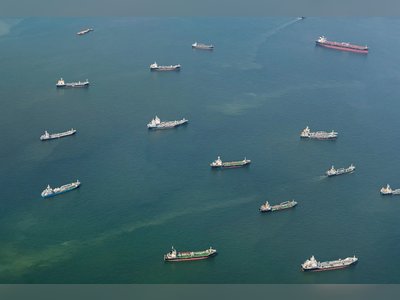
The potential waiver is being discussed as energy markets react to heightened geopolitical tensions in the Middle East, which have disrupted global shipping routes and contributed to higher oil prices.
Rising fuel costs have pushed the national average gasoline price in the United States to roughly three dollars and sixty cents per gallon, marking a sharp increase over recent weeks.
White House officials said the measure is being evaluated as part of a broader strategy to protect American consumers and maintain stable energy supplies during a period of global uncertainty.
A temporary waiver would allow foreign-flagged tankers to transport oil and other energy products between domestic ports, increasing shipping capacity and potentially reducing logistical bottlenecks.
The Jones Act, formally known as the Merchant Marine Act of nineteen twenty, was originally designed to strengthen the U.S. maritime industry and ensure the country maintains a reliable fleet for national security purposes.
While supporters say the law protects American jobs and shipbuilding capacity, critics argue it can raise shipping costs by limiting competition in domestic maritime transport.
Temporary suspensions of the law have been used in the past during national emergencies, including major hurricanes and supply disruptions, when additional shipping capacity was needed to move fuel and other essential goods quickly.
Energy analysts note that a waiver alone is unlikely to dramatically change fuel prices, but it could help ease transportation constraints and improve the flow of petroleum products between U.S. refining centers and consumer markets.
The administration has not yet finalized the decision, but officials say the option remains under active review as part of broader efforts to maintain energy affordability and safeguard supply chains during a period of global market volatility.
Officials said the administration of President Donald Trump is examining a limited suspension of the Jones Act, a century-old federal statute that requires goods transported between U.S. ports to be carried on vessels that are American-built, American-owned and crewed primarily by U.S. citizens.
The potential waiver is being discussed as energy markets react to heightened geopolitical tensions in the Middle East, which have disrupted global shipping routes and contributed to higher oil prices.
Rising fuel costs have pushed the national average gasoline price in the United States to roughly three dollars and sixty cents per gallon, marking a sharp increase over recent weeks.
White House officials said the measure is being evaluated as part of a broader strategy to protect American consumers and maintain stable energy supplies during a period of global uncertainty.
A temporary waiver would allow foreign-flagged tankers to transport oil and other energy products between domestic ports, increasing shipping capacity and potentially reducing logistical bottlenecks.
The Jones Act, formally known as the Merchant Marine Act of nineteen twenty, was originally designed to strengthen the U.S. maritime industry and ensure the country maintains a reliable fleet for national security purposes.
While supporters say the law protects American jobs and shipbuilding capacity, critics argue it can raise shipping costs by limiting competition in domestic maritime transport.
Temporary suspensions of the law have been used in the past during national emergencies, including major hurricanes and supply disruptions, when additional shipping capacity was needed to move fuel and other essential goods quickly.
Energy analysts note that a waiver alone is unlikely to dramatically change fuel prices, but it could help ease transportation constraints and improve the flow of petroleum products between U.S. refining centers and consumer markets.
The administration has not yet finalized the decision, but officials say the option remains under active review as part of broader efforts to maintain energy affordability and safeguard supply chains during a period of global market volatility.