Focus on the BIG picture.
Monday, Dec 15, 2025
Outside the box.

AI Debate Deepens in Washington as Trump’s Federal Push Exposes Political Fault Lines
Divergent visions over artificial intelligence regulation pit the White House against state officials and lawmakers, reshaping policy discourse in the U.S. capital
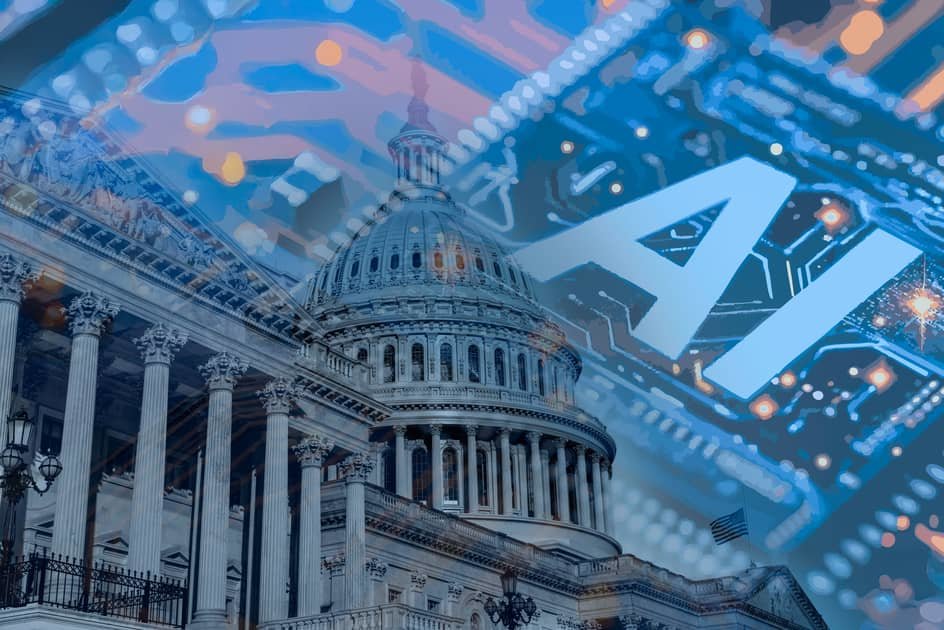
A fierce and rapidly evolving debate over artificial intelligence regulation in Washington has exposed deep political divisions and highlighted contrasting priorities within the federal government, between the judiciary and state authorities, and across the U.S. political landscape.
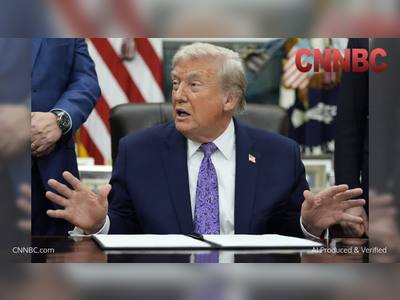
In mid-December, President Donald Trump signed an executive order asserting federal primacy over AI regulation, directing the Justice Department and other federal agencies to challenge state laws that could fragment the national regulatory landscape and impede U.S. competitiveness in advanced technologies.
This dramatic federal intervention seeks to pre-empt the growing mosaic of state-level AI rules that have emerged in the absence of comprehensive federal legislation, underscoring Washington’s effort to harmonize governance of a technology considered vital to economic and strategic interests.
The executive order, championed by senior White House tech advisers, was designed to create a uniform national framework for AI, but it has ignited pushback from governors and legislators who defend states’ authority to regulate technology within their borders.
Republican figures such as Florida’s governor and other state leaders expressed concern about what they view as federal overreach linked to the partisan balance of local priorities, including workforce impacts, data privacy, and public safety.
Meanwhile, bipartisan groups of attorneys general have pushed back against major tech companies’ practices and urged greater accountability for harmful AI outputs, reflecting state officials’ broader misgivings about leaving oversight solely to industry.
The domestic tension over AI policy in Washington is not merely legislative but ideological.
It encapsulates competing visions on how to balance innovation, economic growth, and risk mitigation, with some lawmakers advocating robust federal guardrails to preserve U.S. technological leadership and others urging localized experimentation and protection of civil liberties.
Within the White House, tech advisers have signalled plans to work with Congress to craft a comprehensive statutory framework that would ultimately supersede both the executive order and the patchwork of state laws, reflecting a strategic attempt to unify governance while maintaining momentum on federal leadership in AI development.
This unprecedented level of political contention around AI has translated into broader policy engagement, with state task forces producing interim recommendations on ethical and rights-based AI governance and local governments grappling with how to implement AI tools responsibly amid undefined legal standards.
Washington’s AI debate — involving the executive branch, state governments, and federal and local legislators — underscores how artificial intelligence has become central to U.S. policy making, economic planning, and geopolitical strategy, and forecasts a sustained period of negotiation over the shape of governance for one of the most consequential technologies of the twenty-first century.
In mid-December, President Donald Trump signed an executive order asserting federal primacy over AI regulation, directing the Justice Department and other federal agencies to challenge state laws that could fragment the national regulatory landscape and impede U.S. competitiveness in advanced technologies.
This dramatic federal intervention seeks to pre-empt the growing mosaic of state-level AI rules that have emerged in the absence of comprehensive federal legislation, underscoring Washington’s effort to harmonize governance of a technology considered vital to economic and strategic interests.
The executive order, championed by senior White House tech advisers, was designed to create a uniform national framework for AI, but it has ignited pushback from governors and legislators who defend states’ authority to regulate technology within their borders.
Republican figures such as Florida’s governor and other state leaders expressed concern about what they view as federal overreach linked to the partisan balance of local priorities, including workforce impacts, data privacy, and public safety.
Meanwhile, bipartisan groups of attorneys general have pushed back against major tech companies’ practices and urged greater accountability for harmful AI outputs, reflecting state officials’ broader misgivings about leaving oversight solely to industry.
The domestic tension over AI policy in Washington is not merely legislative but ideological.
It encapsulates competing visions on how to balance innovation, economic growth, and risk mitigation, with some lawmakers advocating robust federal guardrails to preserve U.S. technological leadership and others urging localized experimentation and protection of civil liberties.
Within the White House, tech advisers have signalled plans to work with Congress to craft a comprehensive statutory framework that would ultimately supersede both the executive order and the patchwork of state laws, reflecting a strategic attempt to unify governance while maintaining momentum on federal leadership in AI development.
This unprecedented level of political contention around AI has translated into broader policy engagement, with state task forces producing interim recommendations on ethical and rights-based AI governance and local governments grappling with how to implement AI tools responsibly amid undefined legal standards.
Washington’s AI debate — involving the executive branch, state governments, and federal and local legislators — underscores how artificial intelligence has become central to U.S. policy making, economic planning, and geopolitical strategy, and forecasts a sustained period of negotiation over the shape of governance for one of the most consequential technologies of the twenty-first century.