Focus on the BIG picture.
Wednesday, Dec 10, 2025
Outside the box.

Trump Launches ‘Lower Prices, Bigger Paychecks’ Tour with Tariff-Centric Speech in Pennsylvania
At a Mount Pocono rally, the former president defends tariffs, blames Democrats for inflation and unveils economic messaging ahead of midterms
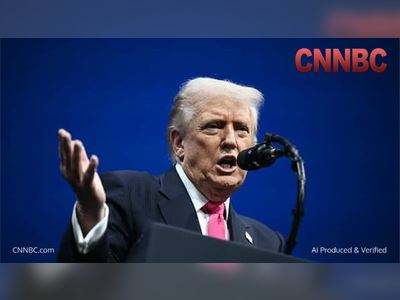
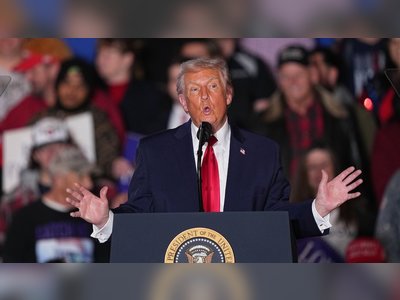
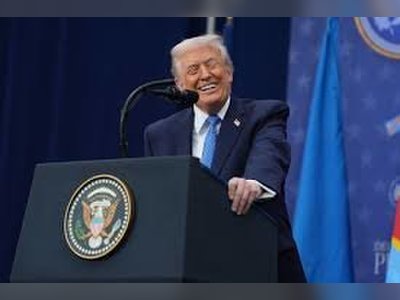
Former President Donald J. Trump made a high-profile appearance in Mount Pocono, Pennsylvania, on Tuesday where he delivered a forceful defence of his economic record and launched a fresh affordability-focused campaign tour under the banner “Lower Prices, Bigger Paychecks.” He told supporters he was determined to bring down living costs and criticised his Democratic rivals for policies he said had driven up inflation.
Tariffs — once a flashpoint for economic critics — featured heavily in Mr. Trump’s remarks.
He called them a key tool in restoring American industry and generating significant government revenue, even as he acknowledged recent adjustments that lowered tariffs on some goods, including food imports.
He argued that protective trade measures have spurred investment in U.S. manufacturing, leading to new plants and jobs he said would not have materialised otherwise.
In a two-hour rally filled with campaign-style rhetoric and economic charts blaming his predecessor’s policies for high prices, Mr. Trump renewed his pledge to deliver “lower prices” and “bigger paychecks.” He pointed to recent tax cuts — including those affecting tips and overtime pay — as evidence his administration is working to ease the burden on working families.
He also highlighted expanded domestic energy production and regulatory reforms as part of his broader economic agenda.
The audience responded with enthusiasm, cheering and chanting slogans such as “USA! USA!” even as polls indicate deepening public concern over affordability.
Many economists and political observers note that while tariffs can protect domestic industries, they can also contribute to higher consumer prices — a tension Mr. Trump acknowledged indirectly by signalling some tariff roll-backs.
Still, his message struck a chord with a segment of voters frustrated by rising costs and stagnant wages.
The Pennsylvania rally — his first major appearance since off-year election losses within the Republican Party — marks a strategic reset for the former president as he seeks to reassert economic leadership ahead of the 2026 midterm elections.
Whether the messaging will translate into political momentum depends now on whether voters see tangible relief in their household budgets as trade tensions and global economic pressures persist.
With inflation and affordability remaining among the top concerns for American households, the next several months will test whether Mr. Trump’s tariff-driven economic vision can deliver on the promises of his new tour without reigniting price pressure across the economy.
Tariffs — once a flashpoint for economic critics — featured heavily in Mr. Trump’s remarks.
He called them a key tool in restoring American industry and generating significant government revenue, even as he acknowledged recent adjustments that lowered tariffs on some goods, including food imports.
He argued that protective trade measures have spurred investment in U.S. manufacturing, leading to new plants and jobs he said would not have materialised otherwise.
In a two-hour rally filled with campaign-style rhetoric and economic charts blaming his predecessor’s policies for high prices, Mr. Trump renewed his pledge to deliver “lower prices” and “bigger paychecks.” He pointed to recent tax cuts — including those affecting tips and overtime pay — as evidence his administration is working to ease the burden on working families.
He also highlighted expanded domestic energy production and regulatory reforms as part of his broader economic agenda.
The audience responded with enthusiasm, cheering and chanting slogans such as “USA! USA!” even as polls indicate deepening public concern over affordability.
Many economists and political observers note that while tariffs can protect domestic industries, they can also contribute to higher consumer prices — a tension Mr. Trump acknowledged indirectly by signalling some tariff roll-backs.
Still, his message struck a chord with a segment of voters frustrated by rising costs and stagnant wages.
The Pennsylvania rally — his first major appearance since off-year election losses within the Republican Party — marks a strategic reset for the former president as he seeks to reassert economic leadership ahead of the 2026 midterm elections.
Whether the messaging will translate into political momentum depends now on whether voters see tangible relief in their household budgets as trade tensions and global economic pressures persist.
With inflation and affordability remaining among the top concerns for American households, the next several months will test whether Mr. Trump’s tariff-driven economic vision can deliver on the promises of his new tour without reigniting price pressure across the economy.