Focus on the BIG picture.
Monday, Dec 15, 2025
Outside the box.

Trump-Brokered Ceasefire Collapses as Thailand-Cambodia Border Conflict Escalates
Fresh fighting along the disputed frontier undermines the peace pact once hailed as a diplomatic success and triggers mass displacement
Renewed clashes between Thailand and Cambodia along their contested border have undermined a ceasefire agreement orchestrated earlier this year with the backing of United States President Donald Trump, raising questions about the durability of externally brokered peace deals.
The border dispute, rooted in long-standing disagreements over colonial-era frontier demarcations, flared into open combat in July before both sides signed a ceasefire and expanded Kuala Lumpur Peace Accord in October, in which Trump played a high-profile role.
Despite those efforts, hostilities resumed in early December when skirmishes turned into sustained exchanges of rocket, artillery and aerial attacks, prompting mass evacuations and widespread displacement among civilian populations.
Thailand’s military responded with airstrikes and counter-fire after accusing Cambodian forces of initiating combat and using heavy weapons in border areas.
Cambodia, for its part, insisted it was defending its sovereignty and denied several Thai allegations, including recent claims about landmines, and rejected narratives portraying it as the aggressor.
The collapse of the ceasefire has drawn condemnation from humanitarian organisations and prompted fears of a protracted conflict that could destabilise the region.
The fighting has already caused civilian deaths and forced hundreds of thousands on both sides to flee their homes, including pregnant women and families seeking safety in crowded displacement sites.
Bangkok has reiterated its willingness to pursue diplomacy, but has stipulated conditions including the withdrawal of hostile actions by Cambodian forces before formal negotiations can resume.
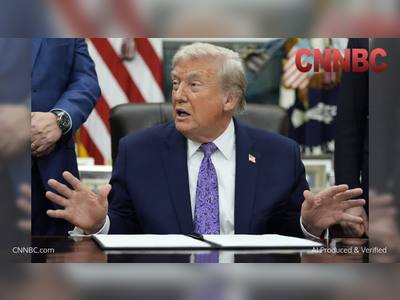
Trump has expressed intent to engage with both governments again in hopes of restoring peace, but domestic political dynamics and deep-rooted mistrust have complicated external mediation efforts.
Analysts say the breakdown of the ceasefire highlights the limitations of quick diplomatic deals that do not address unresolved territorial and nationalist tensions, underscoring the challenge of establishing a sustainable peace without direct, locally owned mechanisms for conflict resolution.
The border dispute, rooted in long-standing disagreements over colonial-era frontier demarcations, flared into open combat in July before both sides signed a ceasefire and expanded Kuala Lumpur Peace Accord in October, in which Trump played a high-profile role.
Despite those efforts, hostilities resumed in early December when skirmishes turned into sustained exchanges of rocket, artillery and aerial attacks, prompting mass evacuations and widespread displacement among civilian populations.
Thailand’s military responded with airstrikes and counter-fire after accusing Cambodian forces of initiating combat and using heavy weapons in border areas.
Cambodia, for its part, insisted it was defending its sovereignty and denied several Thai allegations, including recent claims about landmines, and rejected narratives portraying it as the aggressor.
The collapse of the ceasefire has drawn condemnation from humanitarian organisations and prompted fears of a protracted conflict that could destabilise the region.
The fighting has already caused civilian deaths and forced hundreds of thousands on both sides to flee their homes, including pregnant women and families seeking safety in crowded displacement sites.
Bangkok has reiterated its willingness to pursue diplomacy, but has stipulated conditions including the withdrawal of hostile actions by Cambodian forces before formal negotiations can resume.
Trump has expressed intent to engage with both governments again in hopes of restoring peace, but domestic political dynamics and deep-rooted mistrust have complicated external mediation efforts.
Analysts say the breakdown of the ceasefire highlights the limitations of quick diplomatic deals that do not address unresolved territorial and nationalist tensions, underscoring the challenge of establishing a sustainable peace without direct, locally owned mechanisms for conflict resolution.