Focus on the BIG picture.
Tuesday, Dec 23, 2025
Outside the box.

Alternative Marine Fuels Gain Momentum Across Pacific Northwest Ports
Ports in Washington and Oregon accelerate adoption of low-carbon ship fuels as shipping lines prepare for tighter emissions rules
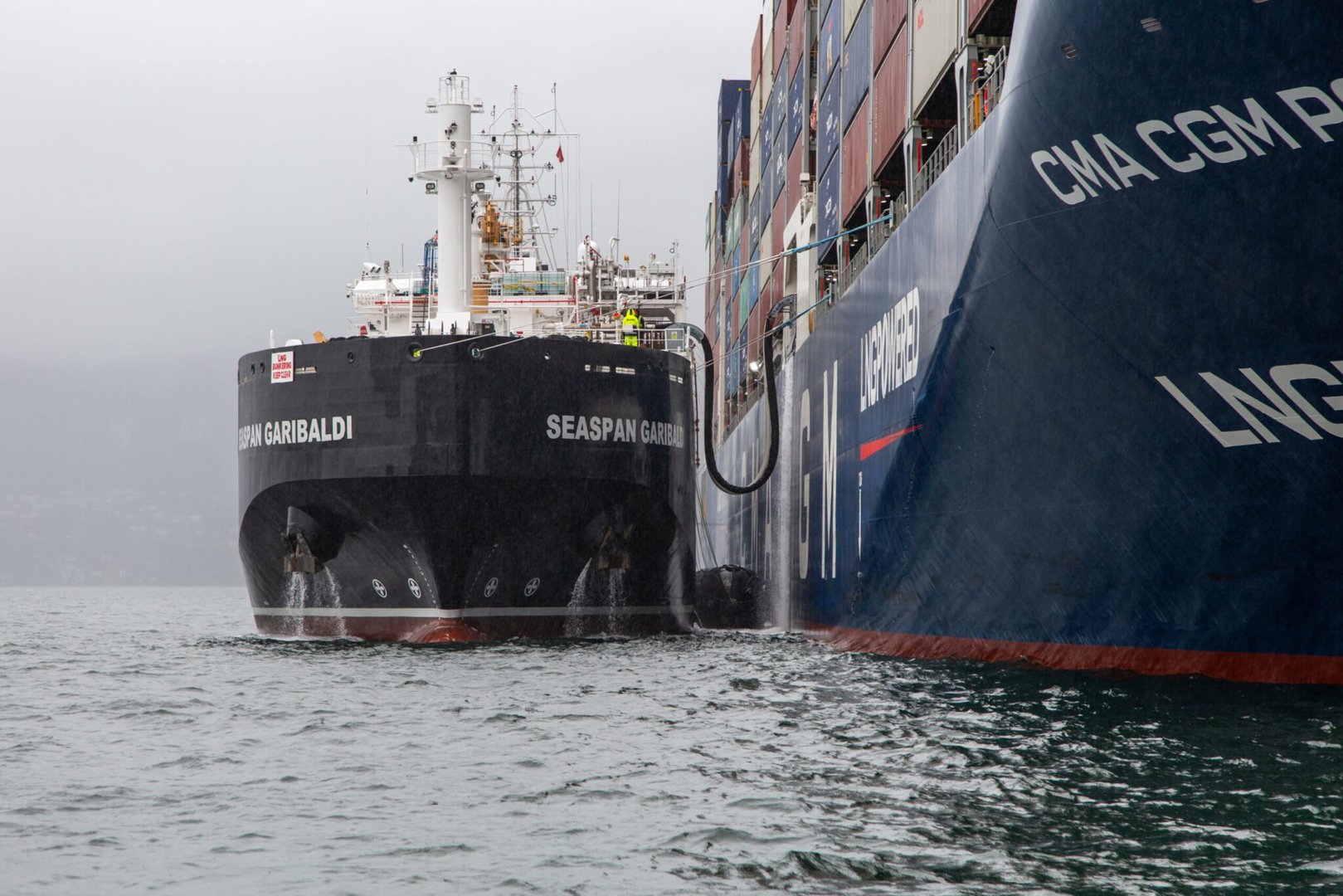
Ports across the Pacific Northwest are rapidly expanding infrastructure for alternative marine fuels, marking a significant shift in how one of North America’s busiest maritime regions prepares for a lower-carbon future.
Facilities in Washington and Oregon are investing in shore power, renewable diesel, biofuels and early hydrogen and ammonia trials as global shipping companies respond to new emissions standards and growing pressure from cargo owners to decarbonise supply chains.
Seattle and Tacoma have emerged as early leaders, with port authorities working alongside utilities and shipping lines to scale up shore-side electricity that allows vessels to switch off diesel engines while at berth.
This has already reduced local air pollution and greenhouse gas emissions, particularly from cruise ships and container vessels.
At the same time, renewable diesel and advanced biofuels are being blended into existing fuel supplies, offering immediate emissions reductions without requiring major changes to ship engines.
Smaller ports, including those in Oregon, are also positioning themselves for next-generation fuels.
Pilot projects are under way to assess the feasibility of hydrogen and ammonia bunkering, fuels that could play a central role in zero-emission shipping over the next decade.
Port officials say the Pacific Northwest’s access to clean electricity, renewable energy production and established maritime expertise gives the region a competitive advantage as shipping lines plan fleet upgrades to meet international climate targets.
The push has been reinforced by new global regulations from the International Maritime Organization, which are tightening emissions limits and encouraging cleaner fuel use.
Shipping companies serving trans-Pacific routes are increasingly seeking ports that can support alternative fuels, making infrastructure readiness a strategic priority.
While challenges remain, including high costs and the need for uniform safety standards, industry leaders say momentum is building quickly.
As investment continues, Pacific Northwest ports are positioning themselves not only to cut emissions locally but also to shape the future of maritime fuel supply on the US West Coast.
The transition is expected to attract new shipping services, strengthen regional competitiveness and accelerate the shift toward cleaner global trade.
Facilities in Washington and Oregon are investing in shore power, renewable diesel, biofuels and early hydrogen and ammonia trials as global shipping companies respond to new emissions standards and growing pressure from cargo owners to decarbonise supply chains.
Seattle and Tacoma have emerged as early leaders, with port authorities working alongside utilities and shipping lines to scale up shore-side electricity that allows vessels to switch off diesel engines while at berth.
This has already reduced local air pollution and greenhouse gas emissions, particularly from cruise ships and container vessels.
At the same time, renewable diesel and advanced biofuels are being blended into existing fuel supplies, offering immediate emissions reductions without requiring major changes to ship engines.
Smaller ports, including those in Oregon, are also positioning themselves for next-generation fuels.
Pilot projects are under way to assess the feasibility of hydrogen and ammonia bunkering, fuels that could play a central role in zero-emission shipping over the next decade.
Port officials say the Pacific Northwest’s access to clean electricity, renewable energy production and established maritime expertise gives the region a competitive advantage as shipping lines plan fleet upgrades to meet international climate targets.
The push has been reinforced by new global regulations from the International Maritime Organization, which are tightening emissions limits and encouraging cleaner fuel use.
Shipping companies serving trans-Pacific routes are increasingly seeking ports that can support alternative fuels, making infrastructure readiness a strategic priority.
While challenges remain, including high costs and the need for uniform safety standards, industry leaders say momentum is building quickly.
As investment continues, Pacific Northwest ports are positioning themselves not only to cut emissions locally but also to shape the future of maritime fuel supply on the US West Coast.
The transition is expected to attract new shipping services, strengthen regional competitiveness and accelerate the shift toward cleaner global trade.