Focus on the BIG picture.
Tuesday, Feb 03, 2026
Outside the box.

Banking Trade Groups Praise White House’s Crypto Market Structure Discussion
American Bankers Association and other financial groups issue joint statement after White House convenes banking and crypto industries on market structure legislation
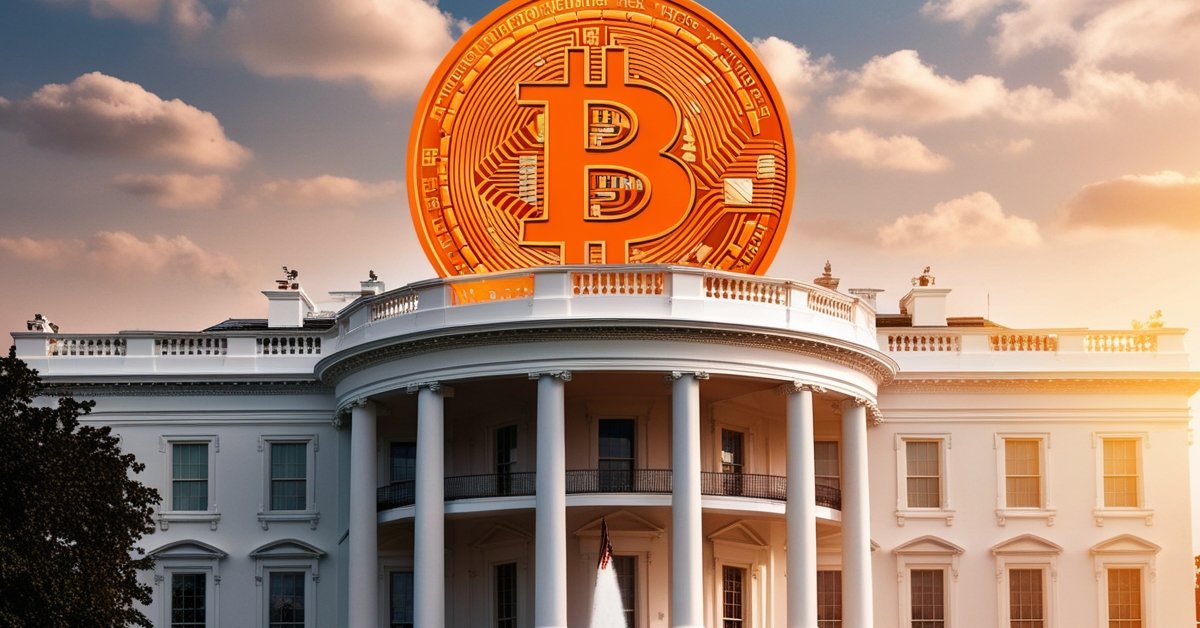
Representatives of major U.S. banking trade associations issued a joint statement applauding the White House for hosting a constructive discussion on the evolving crypto market structure bill, emphasising the importance of incorporating the banking industry’s perspective on digital asset regulation.
The meeting brought together leaders from traditional banks, community banks and other financial services groups with senior administration officials to discuss proposed legislation that would govern digital assets and stablecoin markets, amid continued debate in Congress over key provisions.
In the statement, the American Bankers Association, Bank Policy Institute, Consumer Bankers Association, Financial Services Forum and Independent Community Bankers of America thanked the administration for recognising the banking sector’s role in shaping thoughtful policy for digital asset markets.
They underscored the need for any new legislation to support local lending to families and small businesses, preserve the safety and soundness of the financial system and avoid unintended consequences that could disrupt traditional banking functions.
The associations said they looked forward to continuing to work with lawmakers, the White House and other stakeholders to develop effective and balanced frameworks for digital asset policy.
The discussions took place against the backdrop of stalled Senate efforts to advance a broader market structure bill that would clarify regulatory roles and standards for cryptocurrencies and stablecoins.
Key sticking points include whether stablecoin issuers should be permitted to offer yields or rewards on holdings, an issue banks have raised because of concerns that high yields could draw deposits away from traditional banking products.
Crypto firms, however, argue that such restrictions could undermine competition and innovation in digital markets.
The meeting aims to build common ground and foster collaboration on solutions that address both sets of concerns while advancing regulatory clarity.
The meeting brought together leaders from traditional banks, community banks and other financial services groups with senior administration officials to discuss proposed legislation that would govern digital assets and stablecoin markets, amid continued debate in Congress over key provisions.
In the statement, the American Bankers Association, Bank Policy Institute, Consumer Bankers Association, Financial Services Forum and Independent Community Bankers of America thanked the administration for recognising the banking sector’s role in shaping thoughtful policy for digital asset markets.
They underscored the need for any new legislation to support local lending to families and small businesses, preserve the safety and soundness of the financial system and avoid unintended consequences that could disrupt traditional banking functions.
The associations said they looked forward to continuing to work with lawmakers, the White House and other stakeholders to develop effective and balanced frameworks for digital asset policy.
The discussions took place against the backdrop of stalled Senate efforts to advance a broader market structure bill that would clarify regulatory roles and standards for cryptocurrencies and stablecoins.
Key sticking points include whether stablecoin issuers should be permitted to offer yields or rewards on holdings, an issue banks have raised because of concerns that high yields could draw deposits away from traditional banking products.
Crypto firms, however, argue that such restrictions could undermine competition and innovation in digital markets.
The meeting aims to build common ground and foster collaboration on solutions that address both sets of concerns while advancing regulatory clarity.