Focus on the BIG picture.
Friday, Jan 02, 2026
Outside the box.

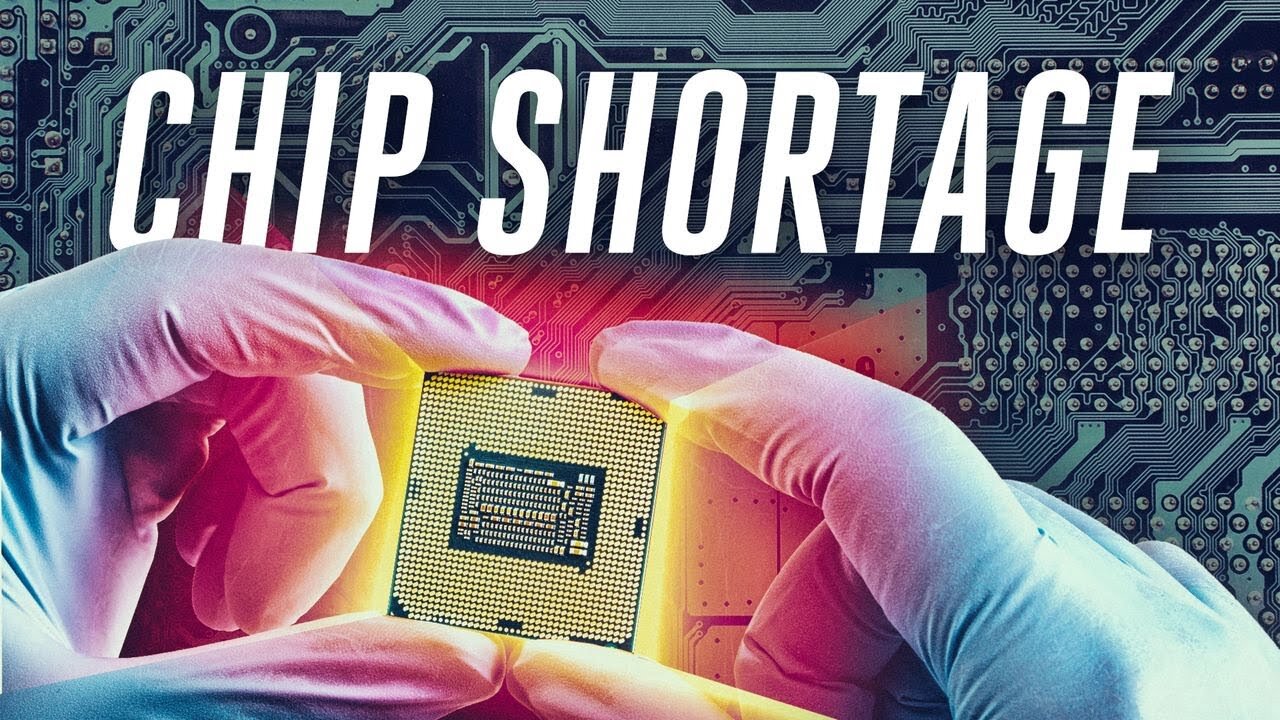
Chip Shortages Threaten Twenty Percent Rise in Consumer Electronics Prices
Global shortages of memory chips driven by surging artificial-intelligence demand are forcing electronics makers to warn of up to twenty percent price increases in 2026.
Leading consumer electronics manufacturers and industry analysts now warn that global semiconductor shortages—especially of memory chips—are poised to push prices for smartphones, personal computers, and other consumer devices significantly higher in 2026.
The constraints are the result of unprecedented demand for advanced chips to power artificial-intelligence infrastructure, leaving traditional memory components in tight supply and driving costs upward.
Analysts and executives project consumer electronics price increases of between five and twenty percent this year unless supply conditions improve.
Manufacturers including Dell, Lenovo, Raspberry Pi, and Xiaomi have publicly acknowledged cost pressures associated with heightened memory prices.
Dell’s Chief Operating Officer, Jeff Clarke, has described the pace of cost inflation as unlike anything the company has previously experienced, emphasizing that higher production costs will inevitably be passed on to consumers.
Raspberry Pi has already raised prices on select models due to “painful” cost increases, and Lenovo has been stockpiling memory components to hedge against further supply tightening.
The underlying cause of the shortages is an industry shift of manufacturing capacity toward high-bandwidth memory and other advanced semiconductors used in cloud data centers and AI applications.
High-performance computing infrastructure—driven by investments from major cloud providers and AI platform operators—now consumes a very large share of available memory manufacturing outputs, leaving fewer DRAM and NAND components available for consumer products.
Market analysts note that prices for memory chips climbed sharply in late 2025 and are forecast to rise further in 2026, reflecting supply constraints and robust demand.
This supply imbalance is compounded by long lead times for new chip fabrication facilities, geopolitical disruptions in certain supply chains, and strategic inventory stockpiling by larger corporations seeking to secure future capacity.
Industry observers warn that until new semiconductor production facilities come online—likely not before 2027—memory shortages and elevated prices could persist.
Some forecasts suggest the current situation could match or exceed the scale of pandemic-era supply disruptions if corrective measures are slow to materialize.
Consumers shopping for mobile phones, laptops, or household electronics should brace for these inflationary effects this year, with the scope of price increases varying by product category and brand strategy.
Companies are already choosing between absorbing some cost increases internally or shifting them to retail pricing.
In either scenario, the specter of higher prices for everyday technology devices now looms large within the global marketplace.
The constraints are the result of unprecedented demand for advanced chips to power artificial-intelligence infrastructure, leaving traditional memory components in tight supply and driving costs upward.
Analysts and executives project consumer electronics price increases of between five and twenty percent this year unless supply conditions improve.
Manufacturers including Dell, Lenovo, Raspberry Pi, and Xiaomi have publicly acknowledged cost pressures associated with heightened memory prices.
Dell’s Chief Operating Officer, Jeff Clarke, has described the pace of cost inflation as unlike anything the company has previously experienced, emphasizing that higher production costs will inevitably be passed on to consumers.
Raspberry Pi has already raised prices on select models due to “painful” cost increases, and Lenovo has been stockpiling memory components to hedge against further supply tightening.
The underlying cause of the shortages is an industry shift of manufacturing capacity toward high-bandwidth memory and other advanced semiconductors used in cloud data centers and AI applications.
High-performance computing infrastructure—driven by investments from major cloud providers and AI platform operators—now consumes a very large share of available memory manufacturing outputs, leaving fewer DRAM and NAND components available for consumer products.
Market analysts note that prices for memory chips climbed sharply in late 2025 and are forecast to rise further in 2026, reflecting supply constraints and robust demand.
This supply imbalance is compounded by long lead times for new chip fabrication facilities, geopolitical disruptions in certain supply chains, and strategic inventory stockpiling by larger corporations seeking to secure future capacity.
Industry observers warn that until new semiconductor production facilities come online—likely not before 2027—memory shortages and elevated prices could persist.
Some forecasts suggest the current situation could match or exceed the scale of pandemic-era supply disruptions if corrective measures are slow to materialize.
Consumers shopping for mobile phones, laptops, or household electronics should brace for these inflationary effects this year, with the scope of price increases varying by product category and brand strategy.
Companies are already choosing between absorbing some cost increases internally or shifting them to retail pricing.
In either scenario, the specter of higher prices for everyday technology devices now looms large within the global marketplace.