Focus on the BIG picture.
Wednesday, Jan 07, 2026
Outside the box.

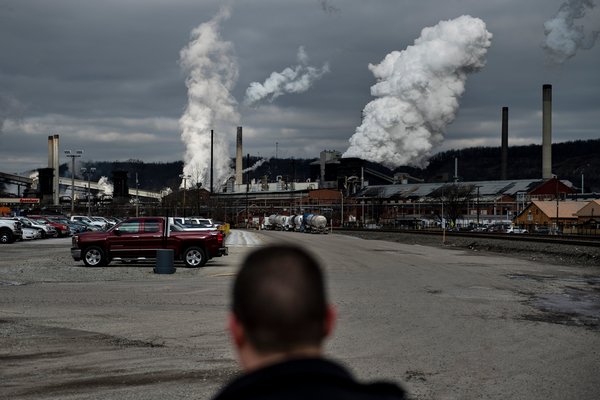
Environmental Groups Sue After White House Pauses Hazardous Air Pollution Rule for Coke Plants
Coalition argues latest Trump administration exemption to benzene monitoring deadlines flouts the Clean Air Act and endangers communities
Environmental organisations have filed a federal lawsuit challenging a recent White House proclamation that delays requirements for hazardous air pollution controls in the coke manufacturing industry, arguing that the move exceeds the President’s lawful authority and undermines protections meant to safeguard public health and the environment.
The complaint was lodged in the U.S. District Court for the District of Columbia by the Greater-Birmingham Alliance to Stop Pollution and seven allied groups.
The legal action asserts that the November proclamation improperly uses rarely invoked authority under the Clean Air Act to extend until mid-two thousand twenty-seven the deadline for eleven coke plants to implement benzene air monitoring systems around their facilities — measures originally mandated to enhance protections against this carcinogenic compound.
Benzene, a volatile organic compound linked to increased cancer risk and other serious health impacts, is emitted during the production of coke, a fuel used in steelmaking.
The rule in question was designed to ensure that nearby communities benefit from robust monitoring and reporting of airborne benzene levels.
Environmental advocates contend that the White House’s decision to delay compliance not only violates statutory requirements but also puts residents at greater risk by postponing critical pollution oversight.
This lawsuit follows a series of legal challenges from environmental litigants to multiple regulatory rollbacks by the Trump administration and the U.S. Environmental Protection Agency that have eased or delayed pollution controls across industrial sectors.
With the case now before a federal court, arguments will centre on statutory interpretation of the Clean Air Act and the limits of presidential authority in modifying environmental safeguards.
The outcome could have broader implications for how air quality standards are administered and challenged under shifting federal regulatory priorities.
The complaint was lodged in the U.S. District Court for the District of Columbia by the Greater-Birmingham Alliance to Stop Pollution and seven allied groups.
The legal action asserts that the November proclamation improperly uses rarely invoked authority under the Clean Air Act to extend until mid-two thousand twenty-seven the deadline for eleven coke plants to implement benzene air monitoring systems around their facilities — measures originally mandated to enhance protections against this carcinogenic compound.
Benzene, a volatile organic compound linked to increased cancer risk and other serious health impacts, is emitted during the production of coke, a fuel used in steelmaking.
The rule in question was designed to ensure that nearby communities benefit from robust monitoring and reporting of airborne benzene levels.
Environmental advocates contend that the White House’s decision to delay compliance not only violates statutory requirements but also puts residents at greater risk by postponing critical pollution oversight.
This lawsuit follows a series of legal challenges from environmental litigants to multiple regulatory rollbacks by the Trump administration and the U.S. Environmental Protection Agency that have eased or delayed pollution controls across industrial sectors.
With the case now before a federal court, arguments will centre on statutory interpretation of the Clean Air Act and the limits of presidential authority in modifying environmental safeguards.
The outcome could have broader implications for how air quality standards are administered and challenged under shifting federal regulatory priorities.