Focus on the BIG picture.
Monday, Feb 02, 2026
Outside the box.

Growing Number of U.S. Senators Seek Governorships as Frustration Grows With Washington Gridlock
A record wave of sitting senators are abandoning Capitol Hill to run for state executive offices, reflecting wider disillusionment with federal politics
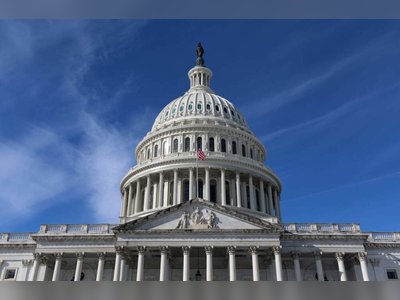
A notable shift is unfolding in American politics as a growing number of United States senators are leaving Washington, D.C., to pursue governorships in their home states, underscoring a broader reevaluation of political ambition and legislative effectiveness.
This year has seen at least four sitting senators announce gubernatorial campaigns, the most in recent history, and analysts say the trend highlights disillusionment with institutional gridlock in the U.S. Senate.
Democrat Amy Klobuchar of Minnesota became the latest to declare her bid for governor, joining Colorado Democrat Michael Bennet and Republicans Marsha Blackburn of Tennessee and Tommy Tuberville of Alabama in seeking state executive leadership in the 2026 election cycle.
These moves, which accompany an unprecedented level of Senate retirements, signal a dramatic recalibration of political priorities among lawmakers who have grown frustrated with partisan battles and legislative stagnation in the federal legislature.
For many of the senators making the switch, the allure of the governor’s office lies in its executive authority and capacity to enact policy directly.
Unlike the collegial yet often gridlocked environment of the Senate, the governorship offers a platform to shape state budgets, respond to local issues and develop a record of tangible accomplishments.
Senator Tuberville highlighted this perspective, saying he believes he can achieve more tangible results as a state governor than as one of a hundred senators.
The broader context for this trend includes increasing polarization in Washington and a rising appetite among voters for leaders focused on state concerns.
Political historians note that while senators have frequently transitioned into executive roles over the past century, the cluster of simultaneous gubernatorial bids in a single election year is unusual.
With eleven senators also announcing retirement next year, turnover in the chamber is at its highest in more than a decade, further emphasizing the sense among lawmakers that traditional federal positions may be losing their appeal relative to state leadership roles.
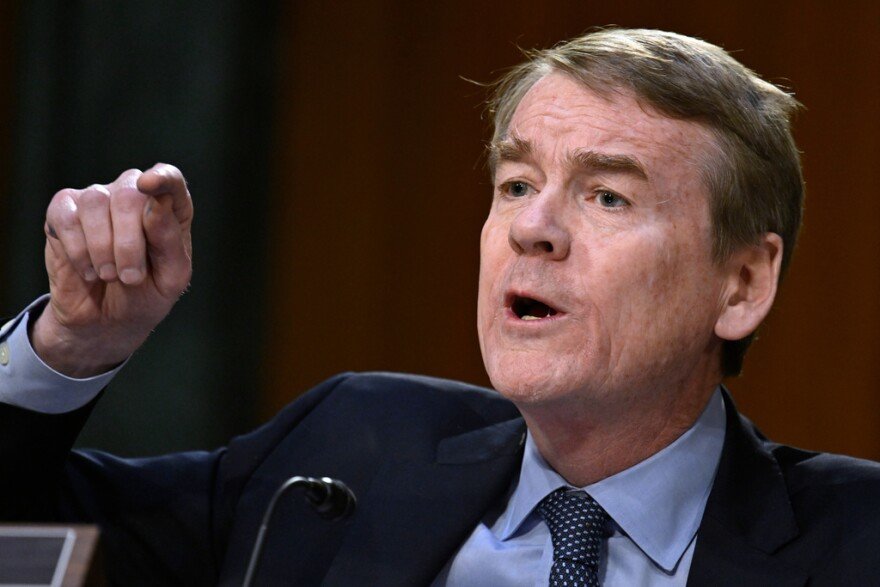
Senator Bennet, in particular, has cited frustration with slow progress at the federal level, arguing that challenges such as affordability and responsive governance are better addressed through state leadership rather than in a politically divided Senate.
Regardless of political affiliation, this migration from Capitol Hill to state capitals illustrates a broader realignment of career trajectories among America’s senior legislators and points to shifting conceptions of where political power and impact are most effectively exercised.
This year has seen at least four sitting senators announce gubernatorial campaigns, the most in recent history, and analysts say the trend highlights disillusionment with institutional gridlock in the U.S. Senate.
Democrat Amy Klobuchar of Minnesota became the latest to declare her bid for governor, joining Colorado Democrat Michael Bennet and Republicans Marsha Blackburn of Tennessee and Tommy Tuberville of Alabama in seeking state executive leadership in the 2026 election cycle.
These moves, which accompany an unprecedented level of Senate retirements, signal a dramatic recalibration of political priorities among lawmakers who have grown frustrated with partisan battles and legislative stagnation in the federal legislature.
For many of the senators making the switch, the allure of the governor’s office lies in its executive authority and capacity to enact policy directly.
Unlike the collegial yet often gridlocked environment of the Senate, the governorship offers a platform to shape state budgets, respond to local issues and develop a record of tangible accomplishments.
Senator Tuberville highlighted this perspective, saying he believes he can achieve more tangible results as a state governor than as one of a hundred senators.
The broader context for this trend includes increasing polarization in Washington and a rising appetite among voters for leaders focused on state concerns.
Political historians note that while senators have frequently transitioned into executive roles over the past century, the cluster of simultaneous gubernatorial bids in a single election year is unusual.
With eleven senators also announcing retirement next year, turnover in the chamber is at its highest in more than a decade, further emphasizing the sense among lawmakers that traditional federal positions may be losing their appeal relative to state leadership roles.
Senator Bennet, in particular, has cited frustration with slow progress at the federal level, arguing that challenges such as affordability and responsive governance are better addressed through state leadership rather than in a politically divided Senate.
Regardless of political affiliation, this migration from Capitol Hill to state capitals illustrates a broader realignment of career trajectories among America’s senior legislators and points to shifting conceptions of where political power and impact are most effectively exercised.