Focus on the BIG picture.
Monday, Feb 02, 2026
Outside the box.

Washington Lawmakers Renew Push to Legalize Home Marijuana Cultivation Despite Police Resistance
Legislators advance measures to permit adults to grow cannabis at home while opposition from law enforcement and cities grows
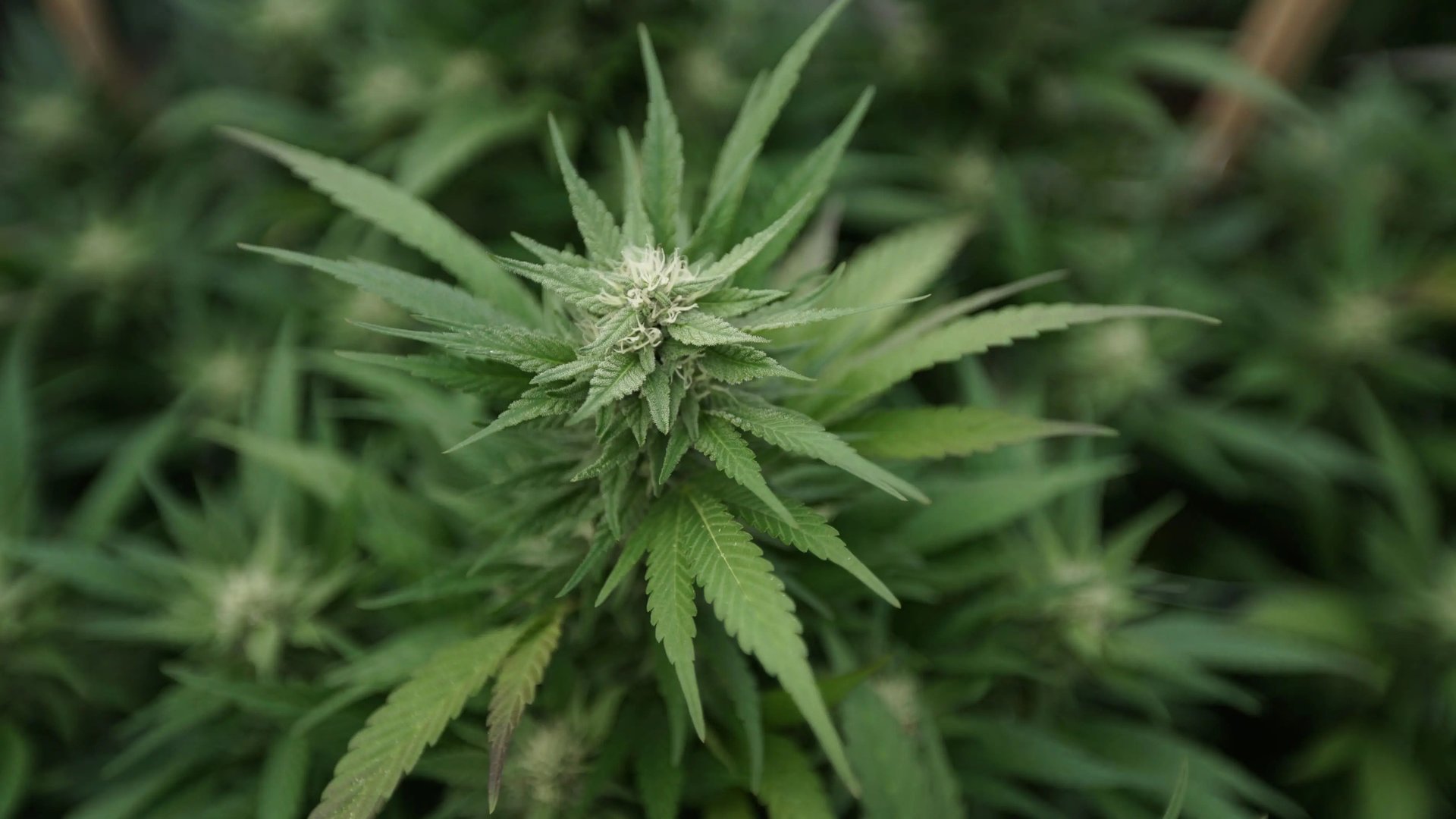
Washington state legislators have reignited efforts to legalize home cultivation of cannabis for recreational use, bringing forward bills that would allow adults 21 and older to grow marijuana plants within their residences amid opposition from police and municipal officials.
The renewed effort comes in the 2026 session, marking the eleventh year that lawmakers have pursued changes to state law since voters approved recreational marijuana in 2012 but left home growing illegal for non-medical users.
Washington remains one of the few legal cannabis states that prohibits personal cultivation, making the current proposals a significant policy shift if enacted.
The centerpiece legislation, Senate Bill 6204, introduced by Senators Rebecca Saldaña, Noel Frame and T’wina Nobles, would permit adults to cultivate up to six cannabis plants for personal use at home, with a household limit of 15 plants regardless of the number of adults.
The proposal mirrors companion House legislation, House Bill 1449, which has been pending in the House Consumer Protection and Business Committee after previously advancing through committee action in 2025. Supporters argue that the measures would align state law with voters’ intent and end decades of uneven enforcement that have disproportionately affected racial minorities.
Advocates maintain that allowing home grows would not significantly detract from retail sales or tax revenue, noting that the practical challenges of cultivation make large-scale substitution unlikely.
Many proponents described home cultivation as a matter of personal freedom and equity, drawing attention to data showing racial disparities in past arrests for illegal cultivation under current law.
Opponents, including law enforcement groups and some cities, have raised concerns that legalizing home grows would increase enforcement burdens for local police and risk greater exposure of cannabis to minors.
Critics also caution that allowing cultivation could reduce revenue from the state’s existing cannabis excise tax, which currently funds public services.
If either bill advances past committee stages, legislators will balance questions of public safety, economic impact and individual liberties as the proposals move through fiscal review, floor debates and potential amendments.
The debate underscores the evolving landscape of cannabis policy in Washington and reflects broader national discussions about personal cultivation rights in states with long-established legal markets.
The renewed effort comes in the 2026 session, marking the eleventh year that lawmakers have pursued changes to state law since voters approved recreational marijuana in 2012 but left home growing illegal for non-medical users.
Washington remains one of the few legal cannabis states that prohibits personal cultivation, making the current proposals a significant policy shift if enacted.
The centerpiece legislation, Senate Bill 6204, introduced by Senators Rebecca Saldaña, Noel Frame and T’wina Nobles, would permit adults to cultivate up to six cannabis plants for personal use at home, with a household limit of 15 plants regardless of the number of adults.
The proposal mirrors companion House legislation, House Bill 1449, which has been pending in the House Consumer Protection and Business Committee after previously advancing through committee action in 2025. Supporters argue that the measures would align state law with voters’ intent and end decades of uneven enforcement that have disproportionately affected racial minorities.
Advocates maintain that allowing home grows would not significantly detract from retail sales or tax revenue, noting that the practical challenges of cultivation make large-scale substitution unlikely.
Many proponents described home cultivation as a matter of personal freedom and equity, drawing attention to data showing racial disparities in past arrests for illegal cultivation under current law.
Opponents, including law enforcement groups and some cities, have raised concerns that legalizing home grows would increase enforcement burdens for local police and risk greater exposure of cannabis to minors.
Critics also caution that allowing cultivation could reduce revenue from the state’s existing cannabis excise tax, which currently funds public services.
If either bill advances past committee stages, legislators will balance questions of public safety, economic impact and individual liberties as the proposals move through fiscal review, floor debates and potential amendments.
The debate underscores the evolving landscape of cannabis policy in Washington and reflects broader national discussions about personal cultivation rights in states with long-established legal markets.