Focus on the BIG picture.
Monday, Feb 02, 2026
Outside the box.

Partial U.S. Government Shutdown Takes Effect Amid Funding Clash in Congress
Federal agencies lapse funding after lawmakers fail to approve a Senate-passed spending package, with effects limited but operational uncertainty growing
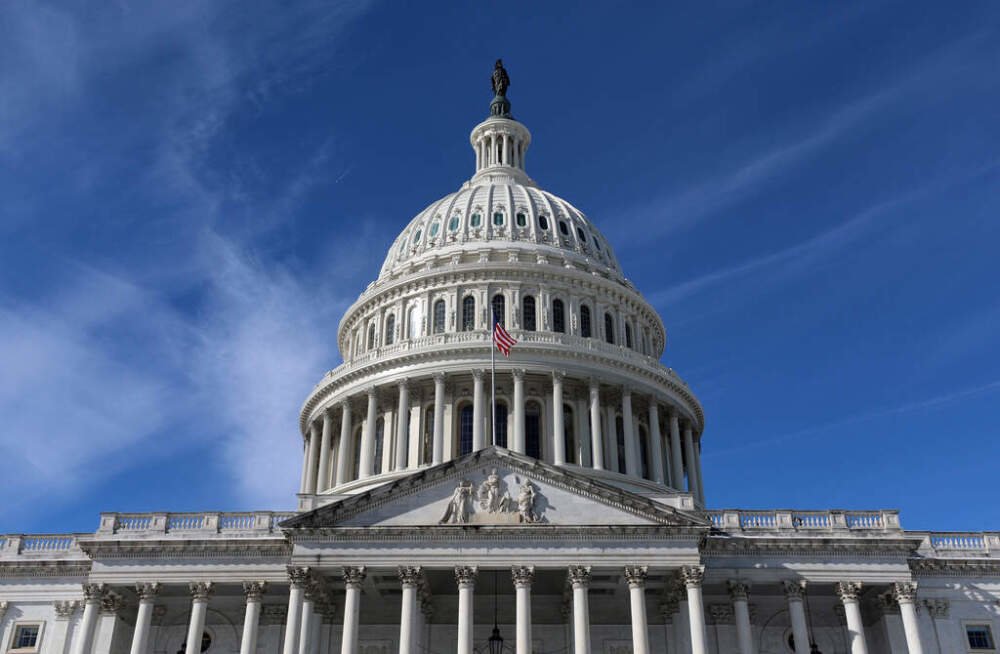
The United States entered a partial federal government shutdown in the early hours of Saturday after Congress failed to pass a Senate-approved appropriations package before the midnight deadline, leaving funding lapses for multiple departments and igniting a fresh legislative standoff in Washington.
Funding for key agencies, including the Department of Defense, State, Treasury, Transportation, Housing and Urban Development, Health and Human Services, and others expired at 11:59 p.m. Friday, triggering the partial shutdown while lawmakers are out of session and set to return on Monday.
The impasse centers on disagreements over funding for the Department of Homeland Security and conditions tied to immigration enforcement, with Democratic lawmakers demanding reforms for Immigration and Customs Enforcement operations following recent fatal incidents involving federal agents, and Republican leadership pressing ahead with funding measures that exclude those provisions.
Earlier in the week, the Senate approved a bipartisan compromise spending package by a significant margin that would fund five major agencies through the fiscal year and extend funding for Homeland Security for two weeks to allow further negotiations on reforms, but the House did not hold a vote before recess.
House Speaker Mike Johnson expressed confidence the shutdown will be brief and could end by Tuesday if the lower chamber passes the Senate’s funding bill, but acknowledged that a procedural path to funding requires near-unanimous Republican support given Democratic resistance.
Democrats, led by Minority Leader Hakeem Jeffries, signaled they would not back the current package without substantial policy changes to immigration enforcement, complicating the path forward and underscoring partisan and procedural hurdles.
Even as the shutdown unfolds, some federal services will continue to operate because they have existing funding or are considered essential, while other functions may be curtailed, and unpaid furloughs for certain employees could begin.
The duration and scope of disruption remain uncertain, as lawmakers return to Washington under pressure to reconcile differences and secure funding to reopen shuttered operations and avoid wider economic and administrative impacts.
Funding for key agencies, including the Department of Defense, State, Treasury, Transportation, Housing and Urban Development, Health and Human Services, and others expired at 11:59 p.m. Friday, triggering the partial shutdown while lawmakers are out of session and set to return on Monday.
The impasse centers on disagreements over funding for the Department of Homeland Security and conditions tied to immigration enforcement, with Democratic lawmakers demanding reforms for Immigration and Customs Enforcement operations following recent fatal incidents involving federal agents, and Republican leadership pressing ahead with funding measures that exclude those provisions.
Earlier in the week, the Senate approved a bipartisan compromise spending package by a significant margin that would fund five major agencies through the fiscal year and extend funding for Homeland Security for two weeks to allow further negotiations on reforms, but the House did not hold a vote before recess.
House Speaker Mike Johnson expressed confidence the shutdown will be brief and could end by Tuesday if the lower chamber passes the Senate’s funding bill, but acknowledged that a procedural path to funding requires near-unanimous Republican support given Democratic resistance.
Democrats, led by Minority Leader Hakeem Jeffries, signaled they would not back the current package without substantial policy changes to immigration enforcement, complicating the path forward and underscoring partisan and procedural hurdles.
Even as the shutdown unfolds, some federal services will continue to operate because they have existing funding or are considered essential, while other functions may be curtailed, and unpaid furloughs for certain employees could begin.
The duration and scope of disruption remain uncertain, as lawmakers return to Washington under pressure to reconcile differences and secure funding to reopen shuttered operations and avoid wider economic and administrative impacts.