Focus on the BIG picture.
Friday, Jan 16, 2026
Outside the box.

Invasive Thrips Outbreak Deepens European Pepper Shortage, Disrupts Supply and Elevates Prices
An aggressive spread of the tobacco thrips pest in Spain has sharply reduced pepper yields, tightening European markets and altering export dynamics.
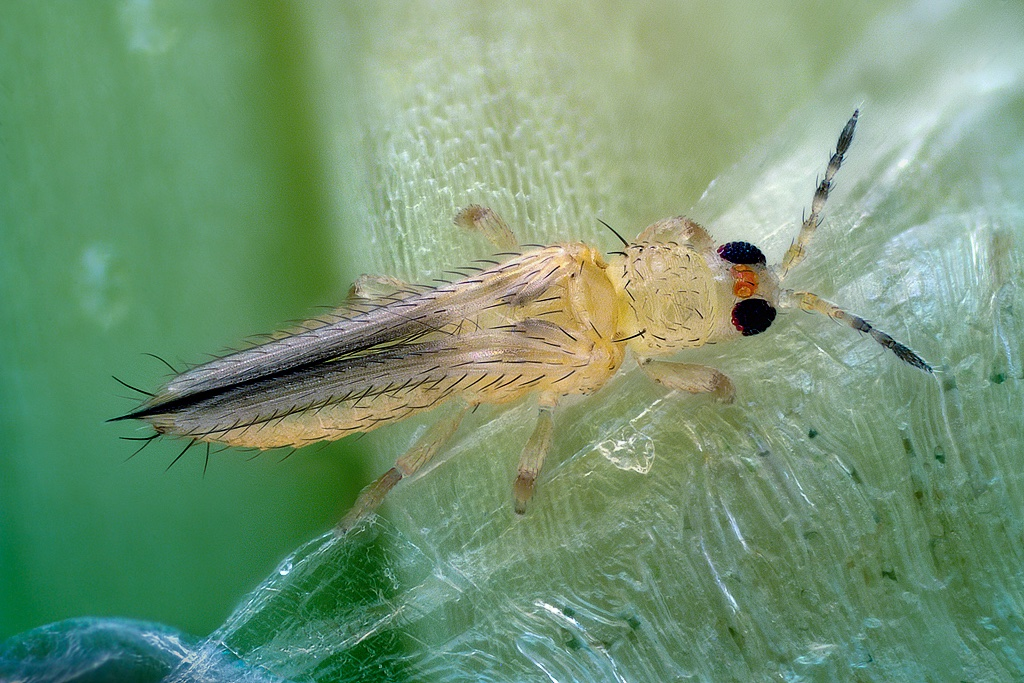
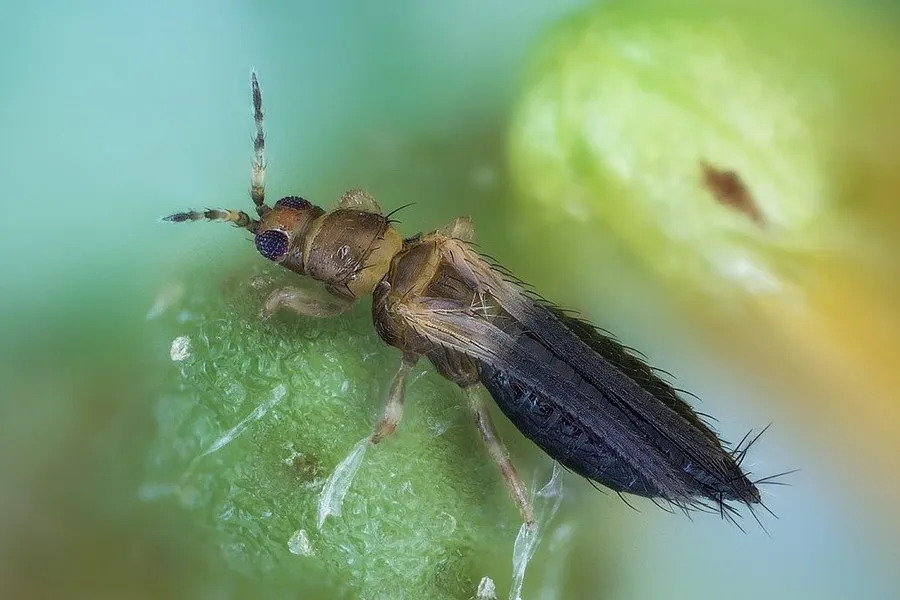
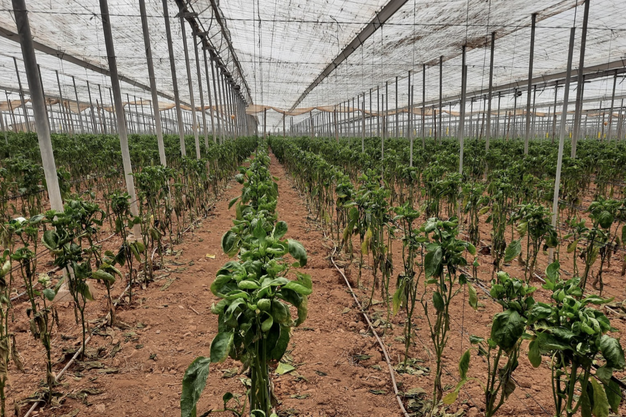
European pepper markets are facing intensified supply constraints as an invasive agricultural pest known as Thrips parvispinus, commonly called tobacco thrips, has expanded rapidly across key greenhouse pepper regions in Spain.
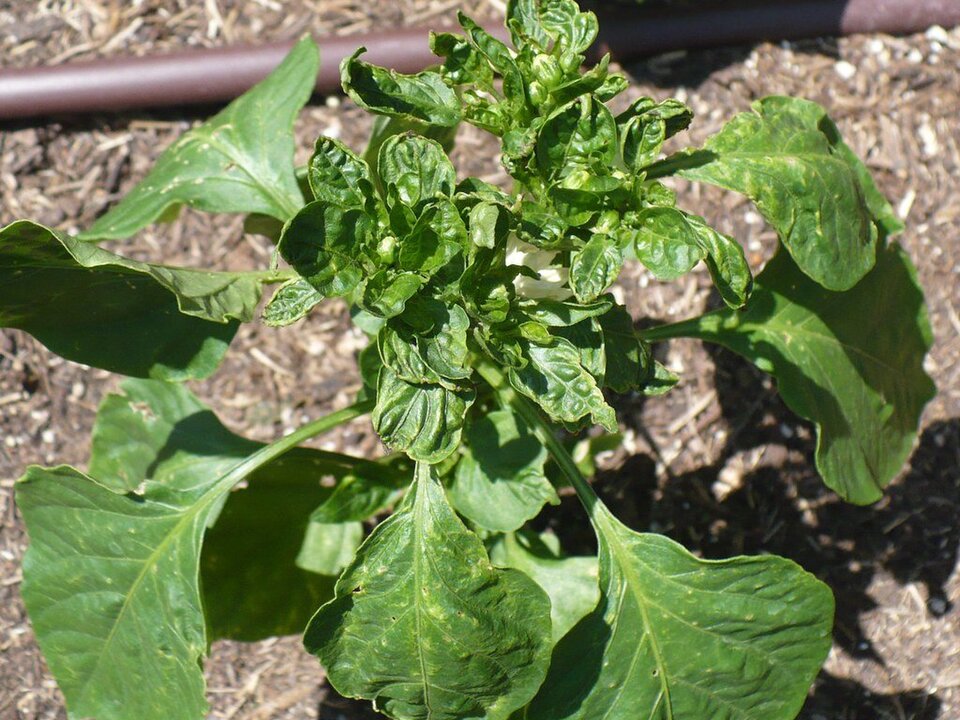
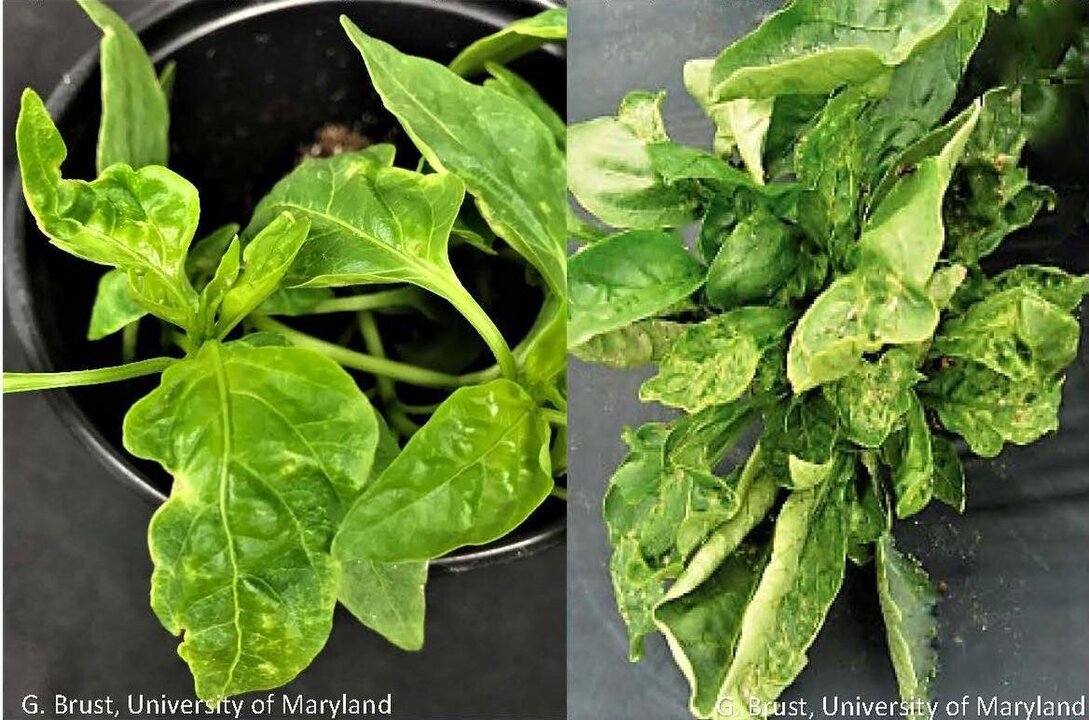
The tiny insect feeds by piercing plant cells and sucking sap, causing visible deformities and reducing the marketability and volume of pepper crops.
Farmers report significant damage that has forced adjustments in cultivation and, in some cases, complete crop removal.
Spain is a major supplier of peppers to Europe, and the scale of the pest’s impact has contributed to reduced availability across the continent, driving prices upward as retailers and wholesalers compete for limited supply.
Conditions that favour rapid thrips reproduction, including warm, humid greenhouse environments, have allowed the pest to proliferate, and current pest management tools have struggled to provide effective control.
The shortage has tightened the balance between supply and demand, with growers and market participants noting that European production alone is insufficient to meet needs, particularly through the winter and early spring months.
Importers in several countries have turned to alternative sources, including Morocco, Israel and Italy, to fill gaps left by reduced Spanish output.
Increased pepper exports from outside Spain are helping alleviate some pressures, but the scale of supply disruption means price volatility persists and market access remains constrained.
Global supply chain adjustments and intensified pest management efforts are expected to shape the pepper market well into the coming months as producers work to contain the infestation.
Agricultural authorities and growers are exploring integrated pest management strategies to mitigate the thrips threat and protect remaining crops, but the immediate effect is a tangible reduction in available supply and elevated costs for both producers and consumers.
The tiny insect feeds by piercing plant cells and sucking sap, causing visible deformities and reducing the marketability and volume of pepper crops.
Farmers report significant damage that has forced adjustments in cultivation and, in some cases, complete crop removal.
Spain is a major supplier of peppers to Europe, and the scale of the pest’s impact has contributed to reduced availability across the continent, driving prices upward as retailers and wholesalers compete for limited supply.
Conditions that favour rapid thrips reproduction, including warm, humid greenhouse environments, have allowed the pest to proliferate, and current pest management tools have struggled to provide effective control.
The shortage has tightened the balance between supply and demand, with growers and market participants noting that European production alone is insufficient to meet needs, particularly through the winter and early spring months.
Importers in several countries have turned to alternative sources, including Morocco, Israel and Italy, to fill gaps left by reduced Spanish output.
Increased pepper exports from outside Spain are helping alleviate some pressures, but the scale of supply disruption means price volatility persists and market access remains constrained.
Global supply chain adjustments and intensified pest management efforts are expected to shape the pepper market well into the coming months as producers work to contain the infestation.
Agricultural authorities and growers are exploring integrated pest management strategies to mitigate the thrips threat and protect remaining crops, but the immediate effect is a tangible reduction in available supply and elevated costs for both producers and consumers.