Focus on the BIG picture.
Thursday, Dec 25, 2025
Outside the box.

Labour MP Condemns US Visa Ban on UK Campaigners as Undermining Free Speech
British politician challenges Washington’s move to bar European anti-disinformation advocates, intensifying transatlantic tensions over digital regulation and speech rights.
A senior British Labour lawmaker has publicly rebuked the United States government for imposing visa bans on a group of European campaigners including two prominent UK figures, describing the action as an attack on free speech and democratic debate.
Labour MP Chi Onwurah, who chairs the UK Parliament’s technology select committee, responded forcefully after the US State Department announced it was restricting entry to five individuals it accuses of attempting to coerce American social media platforms into censoring content, signalling a stark escalation in transatlantic disputes over digital governance and regulation.
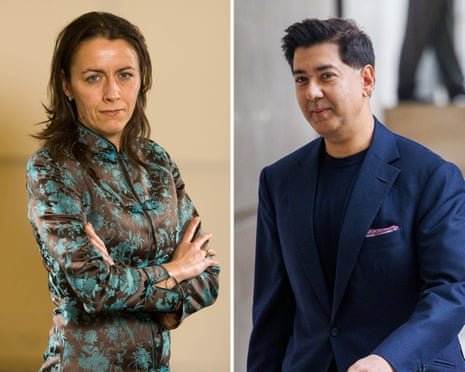
The US sanctions, revealed by Secretary of State Marco Rubio, specifically targeted anti-disinformation advocates Imran Ahmed of the Center for Countering Digital Hate and Clare Melford of the UK-based Global Disinformation Index, as well as others from Germany and Europe, asserting they were part of what Washington characterised as organised efforts to suppress US viewpoints online.
Onwurah challenged this narrative in a statement to British media, arguing that barring access to the United States “because you disagree with what they say undermines the free speech the administration claims to seek,” and that the debate around social media regulation and harmful content requires a wide range of voices, not exclusion.
Her remarks underscored the broader context of differing regulatory philosophies: European governments have advanced stricter laws to curb hate speech and disinformation on platforms, while the Trump administration frames such interventions as threats to American free expression.
The US measure has drawn rebukes from European leaders as well, with French President Emmanuel Macron condemning the visa bans as intimidation that could undermine digital sovereignty and the European Commission strongly criticising the policy as unjustified interference.
UK government spokespeople have taken a more measured line, affirming a commitment to free speech while stressing that sovereign visa policies remain a prerogative of each nation.
Campaign groups affected by the bans characterised the move as an authoritarian overreach that mischaracterises their efforts to counter online harms, adding to rising diplomatic and policy tensions over how social media and digital platforms should be governed in an era of rapid technological change and competing democratic values.
Labour MP Chi Onwurah, who chairs the UK Parliament’s technology select committee, responded forcefully after the US State Department announced it was restricting entry to five individuals it accuses of attempting to coerce American social media platforms into censoring content, signalling a stark escalation in transatlantic disputes over digital governance and regulation.
The US sanctions, revealed by Secretary of State Marco Rubio, specifically targeted anti-disinformation advocates Imran Ahmed of the Center for Countering Digital Hate and Clare Melford of the UK-based Global Disinformation Index, as well as others from Germany and Europe, asserting they were part of what Washington characterised as organised efforts to suppress US viewpoints online.
Onwurah challenged this narrative in a statement to British media, arguing that barring access to the United States “because you disagree with what they say undermines the free speech the administration claims to seek,” and that the debate around social media regulation and harmful content requires a wide range of voices, not exclusion.
Her remarks underscored the broader context of differing regulatory philosophies: European governments have advanced stricter laws to curb hate speech and disinformation on platforms, while the Trump administration frames such interventions as threats to American free expression.
The US measure has drawn rebukes from European leaders as well, with French President Emmanuel Macron condemning the visa bans as intimidation that could undermine digital sovereignty and the European Commission strongly criticising the policy as unjustified interference.
UK government spokespeople have taken a more measured line, affirming a commitment to free speech while stressing that sovereign visa policies remain a prerogative of each nation.
Campaign groups affected by the bans characterised the move as an authoritarian overreach that mischaracterises their efforts to counter online harms, adding to rising diplomatic and policy tensions over how social media and digital platforms should be governed in an era of rapid technological change and competing democratic values.