Focus on the BIG picture.
Sunday, Feb 01, 2026
Outside the box.

Last-Minute Hiccups Stall Funding Deal Between Democrats and White House as Shutdown Deadline Looms
Negotiations to avert a partial U.S. government shutdown encounter procedural delays and intra-party resistance despite a tentative bipartisan framework
As the federal government teeters on the brink of a funding lapse, lawmakers in Washington faced fresh obstacles in advancing a narrowly tailored budget accord that was intended to avert a shutdown this weekend.
After weeks of tense negotiations between Senate Democrats, Republican leaders and the White House, negotiators struck a deal in the Senate to separate funding for the Department of Homeland Security from broader appropriations and to extend current spending levels for two weeks.
The arrangement followed an impasse over funding for the Department of Homeland Security and demands by Democratic lawmakers for reforms to Immigration and Customs Enforcement in the wake of high-profile incidents involving federal agents.
In votes that underscored growing resistance on both sides, procedural hurdles emerged when Senate Republicans including Lindsey Graham delayed the vote, calling aspects of the deal a poor compromise and objecting to parts of the package.
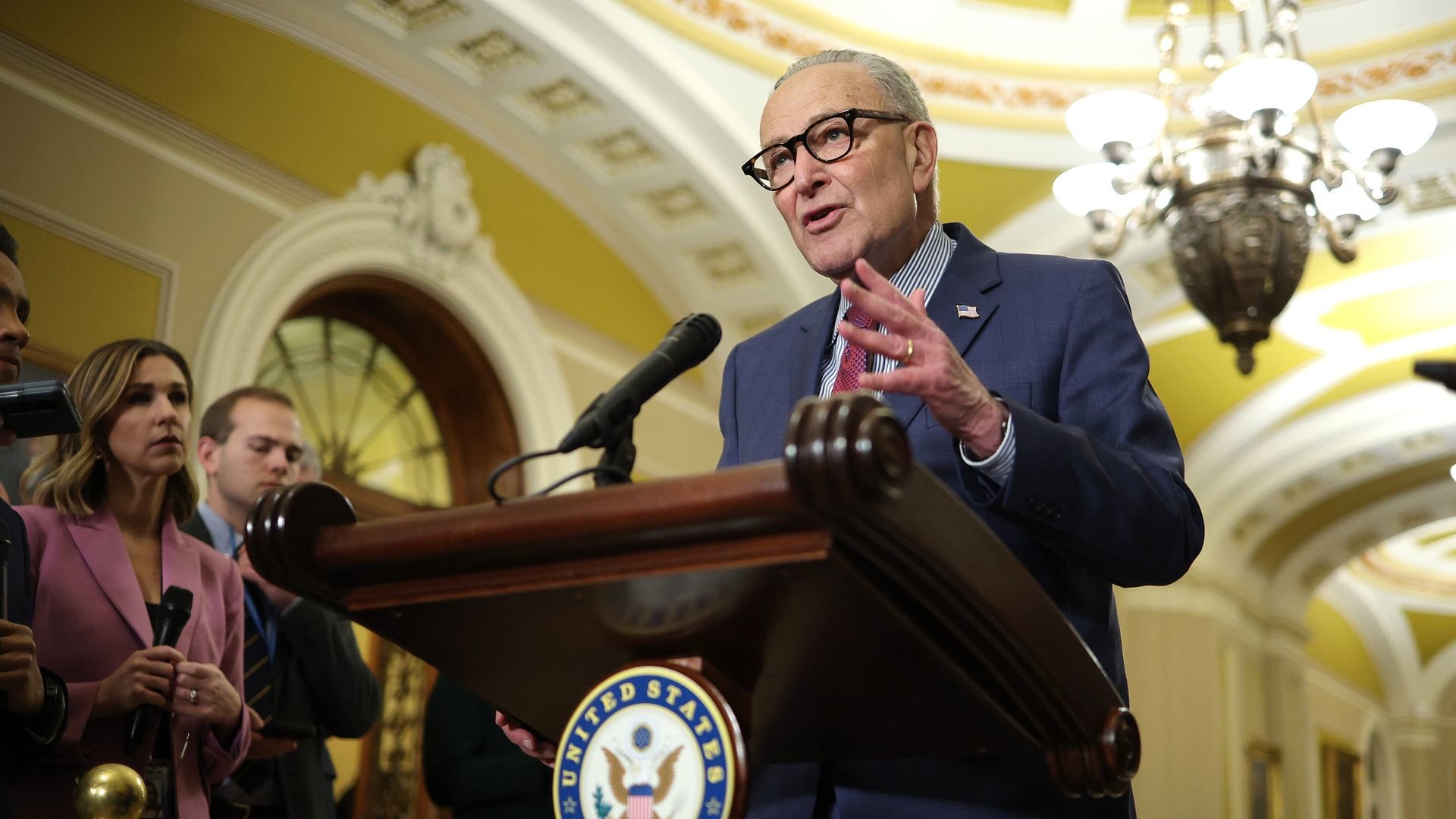
Senate Democratic Leader Chuck Schumer said the delay reflected lingering disagreements even as he pressed for swift action to fund the majority of federal departments while negotiations continue on immigration-related changes.
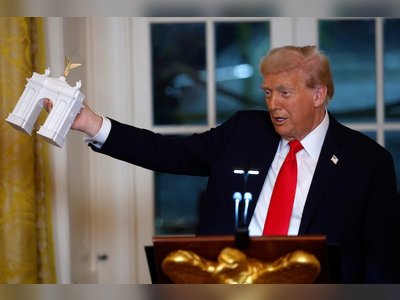
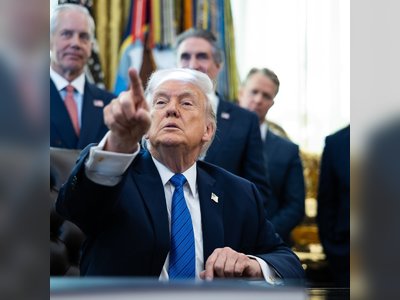
President Donald Trump publicly endorsed the bipartisan framework, urging both parties to deliver a unified vote to keep the government open while giving negotiators additional time to address outstanding concerns.
Nevertheless, procedural setbacks forced senators home without a vote on the compromise, heightening the risk that funding for the Department of Homeland Security and related agencies will lapse before the House of Representatives returns from recess early next week.
With the government’s current spending authorization set to expire at the end of the week, lawmakers face a narrowing margin to clear procedural hurdles in both chambers, with the possibility of a temporary partial shutdown already beginning this weekend.
The developments reflect deepening tensions over immigration policy and budget priorities even as leaders seek to project unity and avoid the political and economic disruptions of another extended funding lapse.
After weeks of tense negotiations between Senate Democrats, Republican leaders and the White House, negotiators struck a deal in the Senate to separate funding for the Department of Homeland Security from broader appropriations and to extend current spending levels for two weeks.
The arrangement followed an impasse over funding for the Department of Homeland Security and demands by Democratic lawmakers for reforms to Immigration and Customs Enforcement in the wake of high-profile incidents involving federal agents.
In votes that underscored growing resistance on both sides, procedural hurdles emerged when Senate Republicans including Lindsey Graham delayed the vote, calling aspects of the deal a poor compromise and objecting to parts of the package.
Senate Democratic Leader Chuck Schumer said the delay reflected lingering disagreements even as he pressed for swift action to fund the majority of federal departments while negotiations continue on immigration-related changes.
President Donald Trump publicly endorsed the bipartisan framework, urging both parties to deliver a unified vote to keep the government open while giving negotiators additional time to address outstanding concerns.
Nevertheless, procedural setbacks forced senators home without a vote on the compromise, heightening the risk that funding for the Department of Homeland Security and related agencies will lapse before the House of Representatives returns from recess early next week.
With the government’s current spending authorization set to expire at the end of the week, lawmakers face a narrowing margin to clear procedural hurdles in both chambers, with the possibility of a temporary partial shutdown already beginning this weekend.
The developments reflect deepening tensions over immigration policy and budget priorities even as leaders seek to project unity and avoid the political and economic disruptions of another extended funding lapse.