Focus on the BIG picture.
Sunday, Feb 01, 2026
Outside the box.

Washington Legislature Debates Sweeping Kratom Tax and Regulation Proposals
Lawmakers consider a near-doubling tax on kratom products and stronger consumer protections amid safety concerns
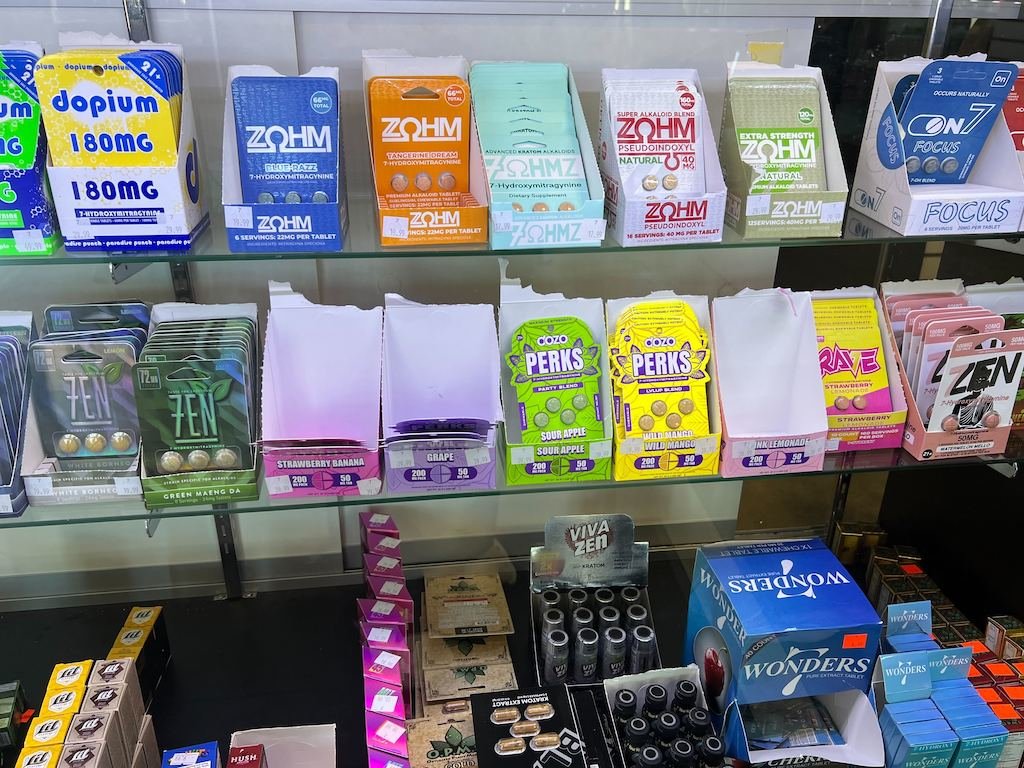
Washington state lawmakers are intensifying debate over how to regulate and tax kratom, a plant-derived product sold in convenience stores and smoke shops, holding hearings on multiple bills that could reshape its legal landscape.
In Olympia on January 26, the Senate Labor and Commerce Committee heard testimony on a measure that would impose a steep ninety-five per cent excise tax on kratom products and require distributors and retailers to be licensed under state law.
The proposed tax, payable when kratom is brought into Washington for sale, would be among the highest of any product and is intended to fund a youth harmful substance prevention account designed to reduce underage access and misuse.
The bill also includes provisions to ban sales to people under twenty-one and subjects unlicensed sale to felony penalties.
Supporters of the legislation, including public health advocates and some lawmakers, argue that kratom’s stimulant and sedative effects pose public safety concerns, particularly for younger consumers, and that clear state-wide rules are needed to protect residents.
Opponents — including representatives of kratom distributors and convenience retailers — contend that a tax of this magnitude could push consumers toward unregulated markets and harm small businesses that rely on kratom sales.
Alongside the tax bill, another legislative proposal — the Kratom Consumer Protection Act — has been introduced to establish a comprehensive regulatory framework for kratom sales and distribution.
This separate bill would require sellers to obtain licences from the Washington State Liquor and Cannabis Board, meet lab-testing and labelling standards, maintain detailed records and enforce age limits, while also allowing the state to revoke licences for non-compliance.
Both measures reflect broader efforts in the Legislature to ensure that kratom products are sold with transparency and accountability, and that steps are taken to address possible health risks.
As hearings continue, lawmakers are weighing how to balance consumer freedom with protections and determine the appropriate role of taxation and oversight in managing kratom’s presence in the state market.
In Olympia on January 26, the Senate Labor and Commerce Committee heard testimony on a measure that would impose a steep ninety-five per cent excise tax on kratom products and require distributors and retailers to be licensed under state law.
The proposed tax, payable when kratom is brought into Washington for sale, would be among the highest of any product and is intended to fund a youth harmful substance prevention account designed to reduce underage access and misuse.
The bill also includes provisions to ban sales to people under twenty-one and subjects unlicensed sale to felony penalties.
Supporters of the legislation, including public health advocates and some lawmakers, argue that kratom’s stimulant and sedative effects pose public safety concerns, particularly for younger consumers, and that clear state-wide rules are needed to protect residents.
Opponents — including representatives of kratom distributors and convenience retailers — contend that a tax of this magnitude could push consumers toward unregulated markets and harm small businesses that rely on kratom sales.
Alongside the tax bill, another legislative proposal — the Kratom Consumer Protection Act — has been introduced to establish a comprehensive regulatory framework for kratom sales and distribution.
This separate bill would require sellers to obtain licences from the Washington State Liquor and Cannabis Board, meet lab-testing and labelling standards, maintain detailed records and enforce age limits, while also allowing the state to revoke licences for non-compliance.
Both measures reflect broader efforts in the Legislature to ensure that kratom products are sold with transparency and accountability, and that steps are taken to address possible health risks.
As hearings continue, lawmakers are weighing how to balance consumer freedom with protections and determine the appropriate role of taxation and oversight in managing kratom’s presence in the state market.