Focus on the BIG picture.
Tuesday, Jan 13, 2026
Outside the box.

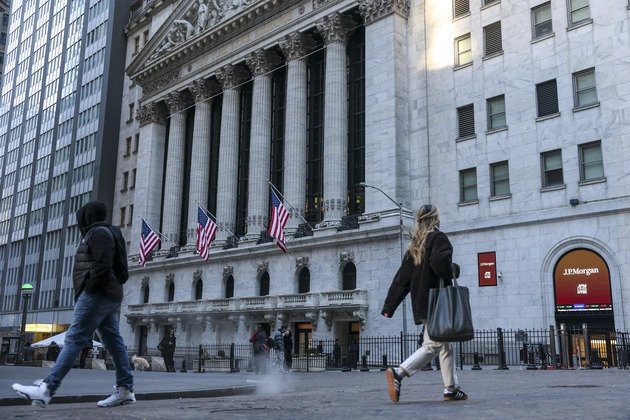
Markets Jitter as White House Faces Backlash Over Powell Investigation and Bond Market Turmoil
Treasuries, equities and the dollar wobble after the Justice Department’s unprecedented probe of the Fed head fuels fears over central bank independence
U.S. financial markets have turned increasingly unsettled following the Department of Justice’s decision to open a criminal investigation into Federal Reserve Chair Jerome Powell, prompting fresh anxieties about the future of American monetary policy and the stability of the bond market.
The inquiry, which centres on Powell’s congressional testimony regarding a costly renovation of the Fed’s Washington headquarters, has drawn rare public criticism from the central banker himself, who characterised the legal threat as a politically timed attempt to influence interest-rate decisions.
Market reaction was swift: long-term U.S. Treasury yields climbed as investors reevaluated the outlook for rate policy, reflecting growing unease about potential political interference in the Federal Reserve’s traditional independence.
At the same time, the U.S. dollar weakened broadly and gold prices jumped to record levels, underlining a shift toward safe-haven assets as risk gauges climbed.
Treasury markets, which underpin global borrowing costs, were particularly sensitive, with some analysts noting volatility that underscores how intertwined perceptions of central bank autonomy have become with investor confidence.
The White House has sought to manage the political fallout from the probe, with economic adviser Kevin Hassett publicly stating he was not involved in the Justice Department’s actions and emphasising respect for both the Federal Reserve’s and the Justice Department’s independence, even as senior lawmakers including House Speaker Mike Johnson indicated they would let the investigation proceed without interference.
Powell’s outspoken defence of the Fed’s autonomy, alongside warnings from financial institutions and economists about the consequences of politicising monetary policy, has added to the debate in Washington and on Wall Street.
While the investigation technically focuses on procedural questions about the renovation project’s disclosures and cost overruns, traders and strategists increasingly interpret the episode as a flashpoint in broader tensions between the White House and the Federal Reserve.
That interpretation has had tangible effects in fixed-income markets.
Bonds, traditionally seen as safe assets, have exhibited price swings and yield shifts as the likelihood of central bank policy shifts and political risk is repriced.
Market participants are watching closely for further signals about the future path of rates and the Fed’s independence as the political and economic drama unfolds.
The inquiry, which centres on Powell’s congressional testimony regarding a costly renovation of the Fed’s Washington headquarters, has drawn rare public criticism from the central banker himself, who characterised the legal threat as a politically timed attempt to influence interest-rate decisions.
Market reaction was swift: long-term U.S. Treasury yields climbed as investors reevaluated the outlook for rate policy, reflecting growing unease about potential political interference in the Federal Reserve’s traditional independence.
At the same time, the U.S. dollar weakened broadly and gold prices jumped to record levels, underlining a shift toward safe-haven assets as risk gauges climbed.
Treasury markets, which underpin global borrowing costs, were particularly sensitive, with some analysts noting volatility that underscores how intertwined perceptions of central bank autonomy have become with investor confidence.
The White House has sought to manage the political fallout from the probe, with economic adviser Kevin Hassett publicly stating he was not involved in the Justice Department’s actions and emphasising respect for both the Federal Reserve’s and the Justice Department’s independence, even as senior lawmakers including House Speaker Mike Johnson indicated they would let the investigation proceed without interference.
Powell’s outspoken defence of the Fed’s autonomy, alongside warnings from financial institutions and economists about the consequences of politicising monetary policy, has added to the debate in Washington and on Wall Street.
While the investigation technically focuses on procedural questions about the renovation project’s disclosures and cost overruns, traders and strategists increasingly interpret the episode as a flashpoint in broader tensions between the White House and the Federal Reserve.
That interpretation has had tangible effects in fixed-income markets.
Bonds, traditionally seen as safe assets, have exhibited price swings and yield shifts as the likelihood of central bank policy shifts and political risk is repriced.
Market participants are watching closely for further signals about the future path of rates and the Fed’s independence as the political and economic drama unfolds.