Focus on the BIG picture.
Tuesday, Jan 13, 2026
Outside the box.

Trump Administration Keeps Airstrikes on the Table as U.S. Responds to Iran’s Crackdown
White House underscores readiness to consider military options, including airstrikes, while emphasising diplomacy as the preferred path amid escalating unrest in Iran
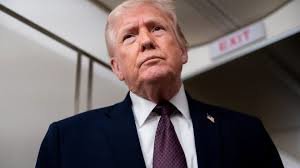
The White House has confirmed that President Donald Trump is keeping military options, including airstrikes, on the table in response to ongoing mass protests and violent state crackdowns in Iran, reflecting a posture of strategic deterrence as U.S. policymakers balance pressure with diplomatic engagement.
White House Press Secretary Karoline Leavitt told reporters that airstrikes would be among the “many, many options” available to the commander-in-chief if conditions in Iran worsen or if significant threats to U.S. interests emerge.
At the same time, Leavitt reiterated that Trump’s first option remains diplomacy, with officials noting that the administration is tracking both public and private signals from Tehran that could open channels for negotiation.
Leavitt said that the president is “unafraid” to consider military force where necessary but stressed that diplomatic engagement, including potential talks with Iranian counterparts, remains a priority.
She noted that publicly expressed Iranian positions differ from messages the administration has received through quieter diplomatic channels, suggesting scope for dialogue even as deterrent measures are emphasised.
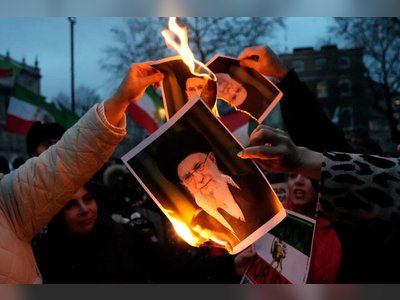
The comments come amid one of the largest protest movements in Iran in years, triggered by economic hardship and a government crackdown that rights groups report has resulted in significant casualties and widespread detentions, even as verification is impeded by restrictions on information flows within the country.
The administration’s stance reflects a dual strategy that aims to signal resolve and readiness to defend U.S. interests and values, while keeping avenues for negotiation open should Tehran show genuine willingness to engage constructively.
In parallel with security options, the United States has also pursued heightened economic pressure, including tariffs on trade with Iran’s partners, and has publicly supported international calls for restraint and protection of human rights.
Tehran has responded by warning of its own preparedness to defend its sovereignty and by accusing foreign powers of interference in its domestic affairs.
As tensions persist, U.S. policy remains focused on deterring further violence, bolstering diplomatic channels and maintaining strategic flexibility.
White House Press Secretary Karoline Leavitt told reporters that airstrikes would be among the “many, many options” available to the commander-in-chief if conditions in Iran worsen or if significant threats to U.S. interests emerge.
At the same time, Leavitt reiterated that Trump’s first option remains diplomacy, with officials noting that the administration is tracking both public and private signals from Tehran that could open channels for negotiation.
Leavitt said that the president is “unafraid” to consider military force where necessary but stressed that diplomatic engagement, including potential talks with Iranian counterparts, remains a priority.
She noted that publicly expressed Iranian positions differ from messages the administration has received through quieter diplomatic channels, suggesting scope for dialogue even as deterrent measures are emphasised.
The comments come amid one of the largest protest movements in Iran in years, triggered by economic hardship and a government crackdown that rights groups report has resulted in significant casualties and widespread detentions, even as verification is impeded by restrictions on information flows within the country.
The administration’s stance reflects a dual strategy that aims to signal resolve and readiness to defend U.S. interests and values, while keeping avenues for negotiation open should Tehran show genuine willingness to engage constructively.
In parallel with security options, the United States has also pursued heightened economic pressure, including tariffs on trade with Iran’s partners, and has publicly supported international calls for restraint and protection of human rights.
Tehran has responded by warning of its own preparedness to defend its sovereignty and by accusing foreign powers of interference in its domestic affairs.
As tensions persist, U.S. policy remains focused on deterring further violence, bolstering diplomatic channels and maintaining strategic flexibility.