Focus on the BIG picture.
Tuesday, Jan 13, 2026
Outside the box.


White House Weighs Iran’s Nuclear-Talks Offer as Trump Considers Military Response
Amid escalating unrest and international pressure, the U.S. evaluates diplomacy and deterrent options as Tehran signals willingness to negotiate
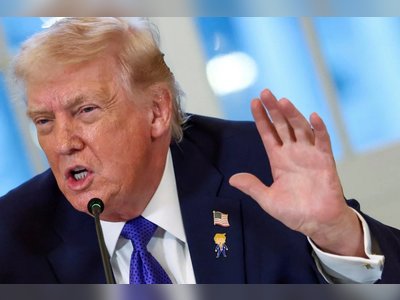
The White House is deliberating over a newly proposed Iranian offer to engage in nuclear negotiations even as President Donald Trump appears inclined toward authorising military responses, underscoring the high-stakes balancing act in U.S.–Iran policy.
Iranian officials privately communicated their openness to talks on curbing Tehran’s nuclear programme, and U.S. officials say preparations are underway for a meeting that could be arranged in the coming days.
However, Mr. Trump has signalled that “very strong options,” including strikes or cyber operations, remain under active consideration amid reports of extensive state violence against protesters and heightened regional tensions.
Vice President J.D. Vance and Secretary of State Marco Rubio, among other senior aides, are advocating for diplomacy before resorting to force, presenting the president with a suite of strategic pathways ranging from renewed sanctions and engagement to direct negotiations.
Iran’s foreign minister has said the country is prepared for talks “with equal rights and mutual respect,” while also warning that Tehran is “fully prepared for war” if confronted militarily.
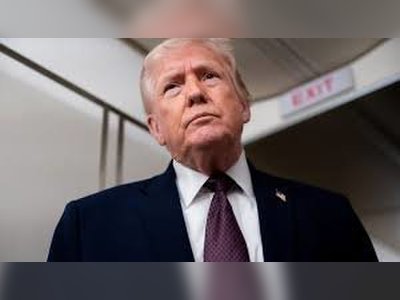
Mr. Trump, speaking aboard Air Force One, confirmed that Iran had expressed a willingness to negotiate and that “a meeting is being set up,” but stressed that the United States may need to act before talks occur if the situation deteriorates further.
White House spokespeople have reiterated that diplomacy remains the preferred option “first and foremost,” yet military force is not ruled out.
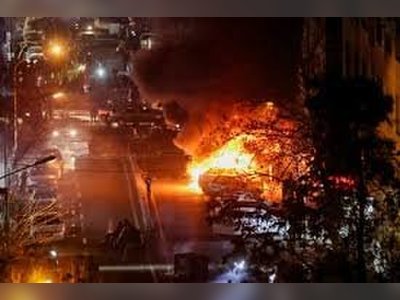
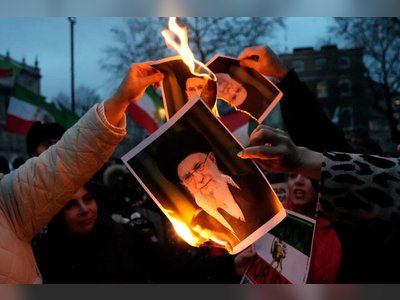
The deliberations occur against a backdrop of widespread protests inside Iran that have drawn global attention and mounting casualties, as well as Tehran’s threats of retaliation against U.S. and allied assets should hostilities unfold.
Both U.S. and Iranian officials are navigating complex diplomatic and strategic pressures, with international partners encouraging restraint and sustained dialogue even as robust American deterrent capability remains central to Washington’s regional posture.
Iranian officials privately communicated their openness to talks on curbing Tehran’s nuclear programme, and U.S. officials say preparations are underway for a meeting that could be arranged in the coming days.
However, Mr. Trump has signalled that “very strong options,” including strikes or cyber operations, remain under active consideration amid reports of extensive state violence against protesters and heightened regional tensions.
Vice President J.D. Vance and Secretary of State Marco Rubio, among other senior aides, are advocating for diplomacy before resorting to force, presenting the president with a suite of strategic pathways ranging from renewed sanctions and engagement to direct negotiations.
Iran’s foreign minister has said the country is prepared for talks “with equal rights and mutual respect,” while also warning that Tehran is “fully prepared for war” if confronted militarily.
Mr. Trump, speaking aboard Air Force One, confirmed that Iran had expressed a willingness to negotiate and that “a meeting is being set up,” but stressed that the United States may need to act before talks occur if the situation deteriorates further.
White House spokespeople have reiterated that diplomacy remains the preferred option “first and foremost,” yet military force is not ruled out.
The deliberations occur against a backdrop of widespread protests inside Iran that have drawn global attention and mounting casualties, as well as Tehran’s threats of retaliation against U.S. and allied assets should hostilities unfold.
Both U.S. and Iranian officials are navigating complex diplomatic and strategic pressures, with international partners encouraging restraint and sustained dialogue even as robust American deterrent capability remains central to Washington’s regional posture.