Focus on the BIG picture.
Friday, Feb 06, 2026
Outside the box.

Mass Layoffs at The Washington Post Raise Fears of Institutional Decline
The storied newspaper cuts roughly one-third of its workforce, provoking anxiety about its journalistic future and industry standing
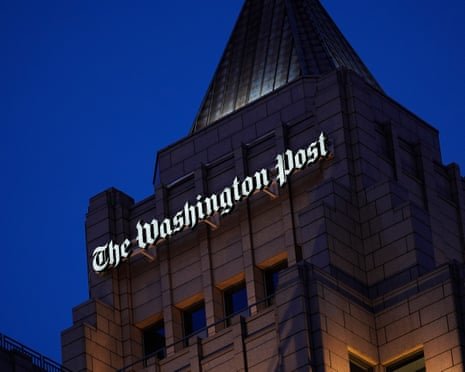
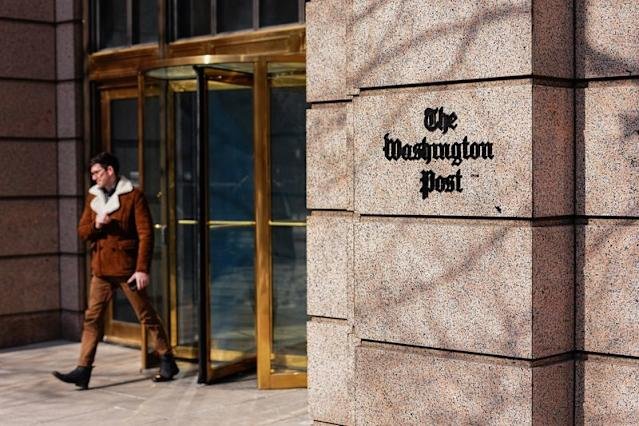
The Washington Post has initiated sweeping layoffs affecting approximately one-third of its staff, prompting deep concern across the newsroom and wider media industry that the historic newspaper could be entering a period of sustained decline.
On Wednesday, employees were informed via an all-staff meeting that significant cuts would be implemented across virtually all departments, including the closure of the sports section, reductions in foreign bureaus, the elimination of books coverage and steep downsizing of local and international reporting teams.
Executive Editor Matt Murray described the restructuring as a “strategic reset” aimed at positioning the paper for future sustainability amid evolving reader habits and competitive pressures.
The scale of the layoffs, among the largest in the newspaper’s modern history, has rekindled longstanding fears about the viability of legacy media institutions in the digital age.
Former executive editor Martin Baron, who previously led the newsroom to multiple Pulitzer Prizes, said the cuts rank among the darkest days in the paper’s history and warned that diminished capacity could weaken The Post’s global reach and editorial ambitions.
Critics also noted that recent editorial decisions, such as shelving a planned endorsement in the 2024 presidential election and shifts in opinion page direction, have contributed to subscriber losses and heightened financial strain.
Journalists and union representatives have decried the layoffs as a blow to press freedom and institutional credibility, arguing that hollowing out newsroom capacity undermines the paper’s ability to hold power to account.
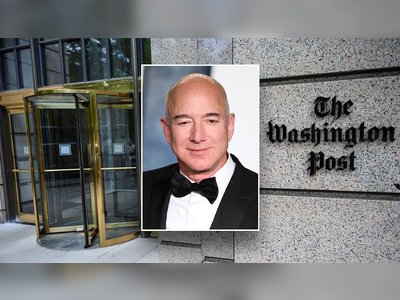
Staff members have organised protests and public appeals urging owner Jeff Bezos, who acquired The Post in 2013, to reconsider the cuts and reaffirm his investment in robust journalism.
Despite these appeals, Bezos has remained publicly silent on the specifics of the restructuring, further intensifying anxiety among employees and media observers about the paper’s direction.
Market analysts note that The Washington Post’s challenges reflect broader industry headwinds, including declining advertising revenues, fragmentation of audiences and the rapid rise of digital information platforms.
While rivals such as The New York Times have expanded diversified offerings and seen staff growth, The Post’s reductions highlight the uneven impact of these trends on traditional newspapers.
As the newsroom adapts to its reduced scale, many journalists fear the cuts may trigger further subscriber attrition and create a self-reinforcing cycle of contraction that could imperil the institution’s long-standing role in American journalism.
On Wednesday, employees were informed via an all-staff meeting that significant cuts would be implemented across virtually all departments, including the closure of the sports section, reductions in foreign bureaus, the elimination of books coverage and steep downsizing of local and international reporting teams.
Executive Editor Matt Murray described the restructuring as a “strategic reset” aimed at positioning the paper for future sustainability amid evolving reader habits and competitive pressures.
The scale of the layoffs, among the largest in the newspaper’s modern history, has rekindled longstanding fears about the viability of legacy media institutions in the digital age.
Former executive editor Martin Baron, who previously led the newsroom to multiple Pulitzer Prizes, said the cuts rank among the darkest days in the paper’s history and warned that diminished capacity could weaken The Post’s global reach and editorial ambitions.
Critics also noted that recent editorial decisions, such as shelving a planned endorsement in the 2024 presidential election and shifts in opinion page direction, have contributed to subscriber losses and heightened financial strain.
Journalists and union representatives have decried the layoffs as a blow to press freedom and institutional credibility, arguing that hollowing out newsroom capacity undermines the paper’s ability to hold power to account.
Staff members have organised protests and public appeals urging owner Jeff Bezos, who acquired The Post in 2013, to reconsider the cuts and reaffirm his investment in robust journalism.
Despite these appeals, Bezos has remained publicly silent on the specifics of the restructuring, further intensifying anxiety among employees and media observers about the paper’s direction.
Market analysts note that The Washington Post’s challenges reflect broader industry headwinds, including declining advertising revenues, fragmentation of audiences and the rapid rise of digital information platforms.
While rivals such as The New York Times have expanded diversified offerings and seen staff growth, The Post’s reductions highlight the uneven impact of these trends on traditional newspapers.
As the newsroom adapts to its reduced scale, many journalists fear the cuts may trigger further subscriber attrition and create a self-reinforcing cycle of contraction that could imperil the institution’s long-standing role in American journalism.