Focus on the BIG picture.
Monday, May 04, 2026
Outside the box.

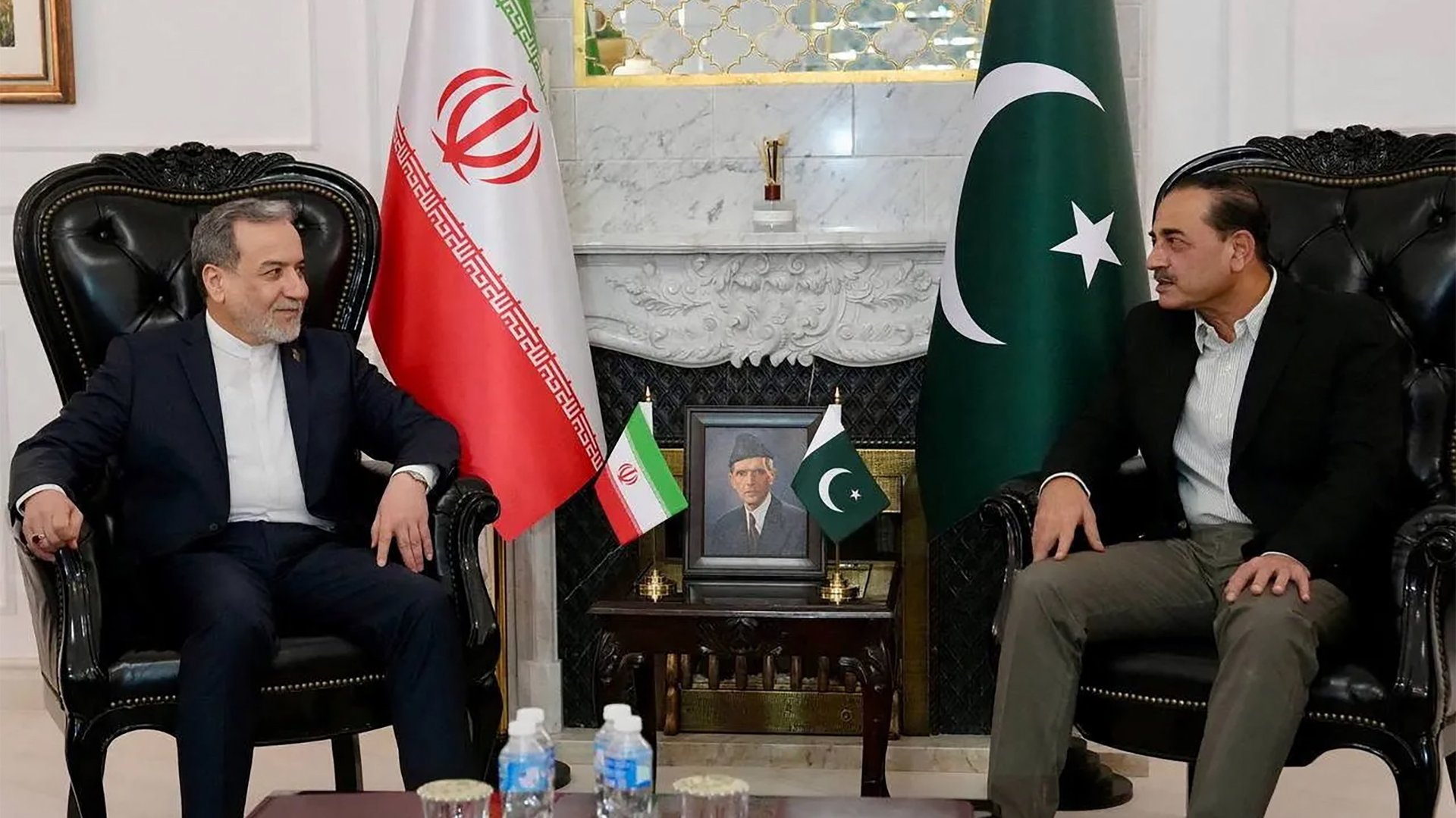
Pakistan’s Emerging Mediation Role Between Washington and Tehran Highlights Shifting Regional Diplomacy
Islamabad’s quiet diplomatic positioning reflects its attempt to navigate U.S.–Iran tensions while preserving ties with both sides amid broader Middle East realignments
The evolution of Pakistan’s diplomatic role as an intermediary between Washington and Tehran reflects a SYSTEM-DRIVEN shift in regional diplomacy, where traditional bilateral alignments are increasingly supplemented by flexible, issue-based mediation channels.
Islamabad’s positioning is not the result of a single event, but of structural pressures shaped by geography, security interdependence, and fluctuating global power competition.
What is confirmed in broader diplomatic practice is that Pakistan has historically maintained working relationships with both the United States and Iran, despite periodic tensions with each.
This dual engagement is rooted in geography: Pakistan shares a long border with Iran and is a frontline state in U.S.-led security frameworks in South Asia and counterterrorism cooperation.
The mechanism behind Pakistan’s relevance as a mediator lies in its access and credibility.
Unlike external actors with limited regional integration, Pakistan can communicate with Iranian leadership through sustained border, trade, and security channels while also maintaining institutional dialogue with Washington through defense and financial coordination structures.
In recent years, regional diplomacy has become more fragmented, with direct U.S.–Iran engagement constrained by sanctions disputes, nuclear negotiations, and wider geopolitical competition.
In this environment, intermediary states have gained importance as channels for indirect communication, risk reduction, and de-escalation messaging.
Pakistan’s role is not formally institutionalized as a mediator, but emerges through necessity-driven diplomacy.
This includes facilitating indirect communication, relaying messages during periods of heightened tension, and managing border security coordination issues that intersect with Iranian and U.S. strategic interests in Afghanistan and the wider Gulf region.
The stakes of such positioning are significant.
For Islamabad, acting as a diplomatic bridge can provide strategic leverage, including international relevance and potential economic or security concessions.
However, it also exposes Pakistan to competing pressures, particularly when U.S.–Iran tensions escalate into sanctions enforcement or regional military signaling.
Iran’s interest in maintaining communication channels through regional partners reflects its need to manage external pressure while avoiding full diplomatic isolation.
For Washington, indirect channels can serve as risk mitigation tools, allowing communication without formal political concessions in highly sensitive policy areas.
The broader implication is that regional diplomacy is increasingly multipolar and indirect.
Instead of direct negotiation frameworks alone, states like Pakistan are being drawn into intermediary roles that help manage escalation risks between larger geopolitical actors.
This reflects a wider trend in which mid-sized regional powers gain functional diplomatic importance disproportionate to their economic weight.
The trajectory of this role will depend on whether current tensions between the United States and Iran stabilize through structured negotiations or continue to rely on indirect communication pathways.
In either case, Pakistan’s geographic position ensures it remains a persistent node in regional diplomatic connectivity, particularly in issues involving security, energy routes, and border stability.
Islamabad’s positioning is not the result of a single event, but of structural pressures shaped by geography, security interdependence, and fluctuating global power competition.
What is confirmed in broader diplomatic practice is that Pakistan has historically maintained working relationships with both the United States and Iran, despite periodic tensions with each.
This dual engagement is rooted in geography: Pakistan shares a long border with Iran and is a frontline state in U.S.-led security frameworks in South Asia and counterterrorism cooperation.
The mechanism behind Pakistan’s relevance as a mediator lies in its access and credibility.
Unlike external actors with limited regional integration, Pakistan can communicate with Iranian leadership through sustained border, trade, and security channels while also maintaining institutional dialogue with Washington through defense and financial coordination structures.
In recent years, regional diplomacy has become more fragmented, with direct U.S.–Iran engagement constrained by sanctions disputes, nuclear negotiations, and wider geopolitical competition.
In this environment, intermediary states have gained importance as channels for indirect communication, risk reduction, and de-escalation messaging.
Pakistan’s role is not formally institutionalized as a mediator, but emerges through necessity-driven diplomacy.
This includes facilitating indirect communication, relaying messages during periods of heightened tension, and managing border security coordination issues that intersect with Iranian and U.S. strategic interests in Afghanistan and the wider Gulf region.
The stakes of such positioning are significant.
For Islamabad, acting as a diplomatic bridge can provide strategic leverage, including international relevance and potential economic or security concessions.
However, it also exposes Pakistan to competing pressures, particularly when U.S.–Iran tensions escalate into sanctions enforcement or regional military signaling.
Iran’s interest in maintaining communication channels through regional partners reflects its need to manage external pressure while avoiding full diplomatic isolation.
For Washington, indirect channels can serve as risk mitigation tools, allowing communication without formal political concessions in highly sensitive policy areas.
The broader implication is that regional diplomacy is increasingly multipolar and indirect.
Instead of direct negotiation frameworks alone, states like Pakistan are being drawn into intermediary roles that help manage escalation risks between larger geopolitical actors.
This reflects a wider trend in which mid-sized regional powers gain functional diplomatic importance disproportionate to their economic weight.
The trajectory of this role will depend on whether current tensions between the United States and Iran stabilize through structured negotiations or continue to rely on indirect communication pathways.
In either case, Pakistan’s geographic position ensures it remains a persistent node in regional diplomatic connectivity, particularly in issues involving security, energy routes, and border stability.