Focus on the BIG picture.
Monday, May 04, 2026
Outside the box.

Proposed Renovations Put East Potomac Golf Course Future in Doubt Amid Federal Review
A potential redesign tied to federal redevelopment plans raises uncertainty over one of Washington’s historic public golf facilities
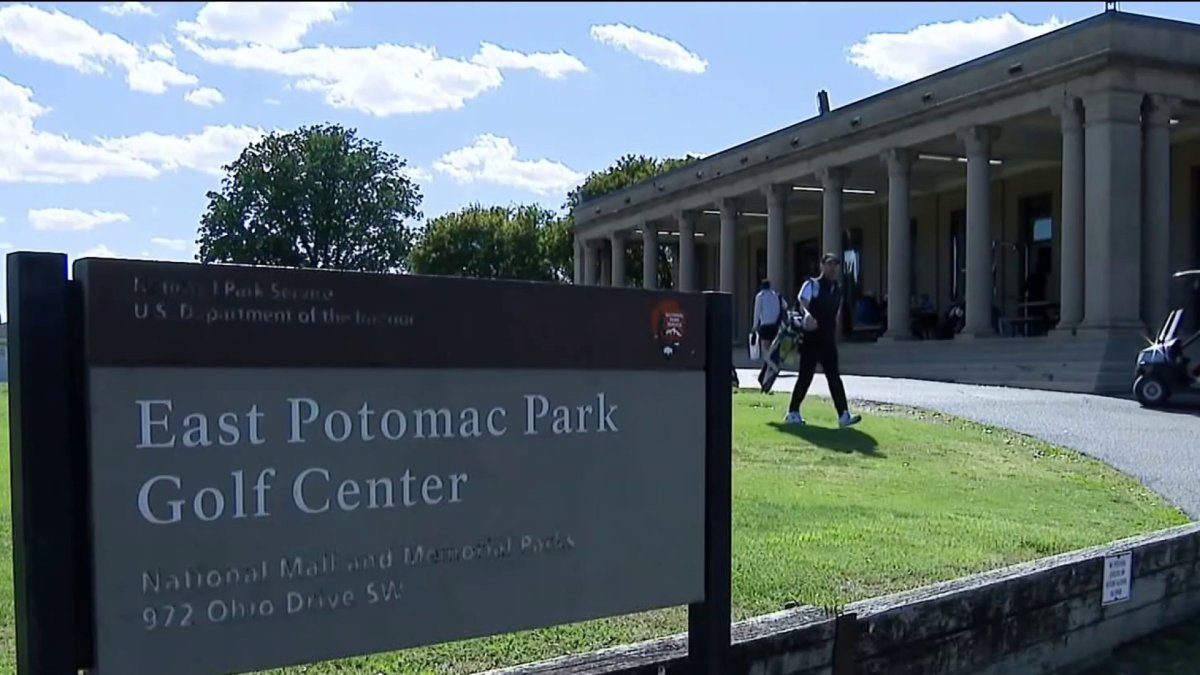
A SYSTEM-DRIVEN review of federal land use in Washington, D.C. is placing the East Potomac Golf Course under potential closure or major redesign, as the Trump administration evaluates renovation plans affecting the long-standing public facility located on Hains Point between the Potomac and Anacostia rivers.
What is confirmed is that East Potomac Golf Course is federally managed and operates on National Park Service land, making its future dependent on federal infrastructure, budgeting, and land-use decisions rather than municipal governance.
Any redevelopment or renovation plan must therefore pass through federal approval channels, environmental review processes, and public consultation requirements.
The proposed changes are part of a broader assessment of recreational and public-use land in the capital, where aging infrastructure is often weighed against competing priorities such as climate resilience projects, urban redevelopment, and transportation upgrades.
In this context, golf courses on federal land are periodically reviewed for modernization, repurposing, or partial redevelopment.
East Potomac Golf Course, established in the early twentieth century, is one of the oldest public golf facilities in the United States and has long served as a low-cost recreational space for residents and visitors.
Its location on reclaimed land near major waterways also makes it particularly sensitive to flooding risks and long-term environmental planning concerns.
The potential for closure or substantial renovation has triggered concern among local users and recreational groups, primarily due to the course’s accessibility and affordability.
Public golf facilities in major cities often function as entry points to the sport, offering lower fees than private clubs and serving a broad demographic base.
From a policy perspective, the key mechanism driving the review is land optimization: federal authorities periodically reassess whether existing uses of high-value urban land remain aligned with current infrastructure, environmental, and public-service goals.
In Washington, where federal land ownership is extensive, such decisions carry amplified visibility and political sensitivity.
The stakes extend beyond recreation.
Any reduction in public green space or restructuring of recreational facilities in the capital feeds into broader debates over urban land use, environmental adaptation, and equitable access to public amenities.
Conversely, proponents of redevelopment argue that modernization could improve resilience against flooding and increase efficiency of land use in a rapidly evolving urban environment.
At this stage, the process remains in evaluation rather than execution.
No final operational changes have been implemented, and any outcome would likely involve phased planning, environmental review, and public commentary before construction or closure decisions are finalized.
The trajectory now depends on how federal agencies balance preservation of historic recreational infrastructure against long-term urban planning priorities.
What is confirmed is that East Potomac Golf Course is federally managed and operates on National Park Service land, making its future dependent on federal infrastructure, budgeting, and land-use decisions rather than municipal governance.
Any redevelopment or renovation plan must therefore pass through federal approval channels, environmental review processes, and public consultation requirements.
The proposed changes are part of a broader assessment of recreational and public-use land in the capital, where aging infrastructure is often weighed against competing priorities such as climate resilience projects, urban redevelopment, and transportation upgrades.
In this context, golf courses on federal land are periodically reviewed for modernization, repurposing, or partial redevelopment.
East Potomac Golf Course, established in the early twentieth century, is one of the oldest public golf facilities in the United States and has long served as a low-cost recreational space for residents and visitors.
Its location on reclaimed land near major waterways also makes it particularly sensitive to flooding risks and long-term environmental planning concerns.
The potential for closure or substantial renovation has triggered concern among local users and recreational groups, primarily due to the course’s accessibility and affordability.
Public golf facilities in major cities often function as entry points to the sport, offering lower fees than private clubs and serving a broad demographic base.
From a policy perspective, the key mechanism driving the review is land optimization: federal authorities periodically reassess whether existing uses of high-value urban land remain aligned with current infrastructure, environmental, and public-service goals.
In Washington, where federal land ownership is extensive, such decisions carry amplified visibility and political sensitivity.
The stakes extend beyond recreation.
Any reduction in public green space or restructuring of recreational facilities in the capital feeds into broader debates over urban land use, environmental adaptation, and equitable access to public amenities.
Conversely, proponents of redevelopment argue that modernization could improve resilience against flooding and increase efficiency of land use in a rapidly evolving urban environment.
At this stage, the process remains in evaluation rather than execution.
No final operational changes have been implemented, and any outcome would likely involve phased planning, environmental review, and public commentary before construction or closure decisions are finalized.
The trajectory now depends on how federal agencies balance preservation of historic recreational infrastructure against long-term urban planning priorities.