Focus on the BIG picture.
Monday, May 04, 2026
Outside the box.

U.S. Signals Military Escort Role in Strait of Hormuz Amid Shipping Security Concerns
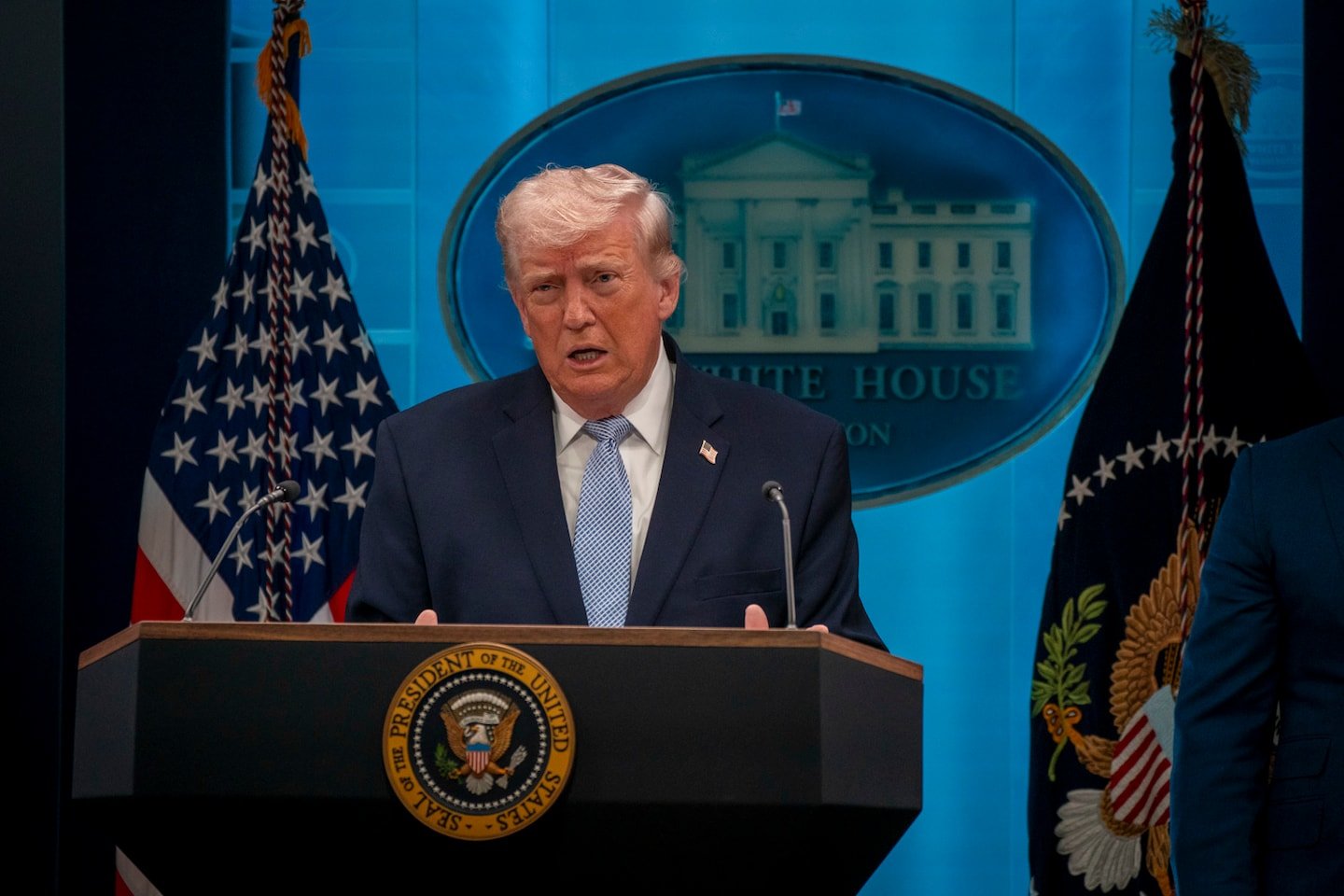
A reported statement from Donald Trump indicating U.S. protection of maritime traffic highlights renewed focus on one of the world’s most sensitive energy chokepoints
Maritime security in the Strait of Hormuz has re-emerged as a geopolitical flashpoint following reported remarks attributed to Donald Trump suggesting that the United States would take a guiding or protective role for ships passing through the corridor.
The Strait of Hormuz, a narrow waterway between Iran and Oman, is one of the most strategically significant maritime passages in the world, carrying a large share of global seaborne oil and liquefied natural gas trade.
What is confirmed in broader context is that the Strait has long been a zone of heightened tension between the United States and Iran, with repeated incidents involving the detention, tracking, or harassment of commercial vessels.
Because of its geographic constraints, even limited disruption in the Strait can have immediate effects on global energy prices and shipping insurance costs.
The reported statement from Trump frames U.S. involvement as an active effort to ensure safe passage for commercial shipping.
While the precise operational meaning of “guide ships” has not been formally detailed in public defense doctrine, similar language in past U.S. policy has typically referred to naval escort operations, increased surveillance, or coalition-based maritime security patrols.
The strategic mechanism behind such involvement is deterrence.
By maintaining a visible naval presence, the United States seeks to reduce the likelihood of interference with commercial vessels by signaling rapid response capability.
In practice, this can include coordinated patrols, intelligence sharing with allied navies, and escorting high-risk transits.
For Iran, the Strait of Hormuz is a critical leverage point, as it lies adjacent to its coastline and represents a channel through which much of its own energy exports must pass indirectly through regional systems.
Past confrontations in the area have included seizures of tankers and temporary disruptions that escalated diplomatic tensions with Western states.
Global markets are highly sensitive to any suggestion of instability in the Strait.
Even without sustained blockades, perception of risk can lead to immediate increases in crude oil futures and freight insurance premiums, affecting supply chains far beyond the Gulf region.
The implications of the reported U.S. stance are therefore twofold.
Operationally, it signals the potential for increased naval presence in a heavily trafficked corridor.
Politically, it reinforces a long-standing U.S. position that freedom of navigation in critical sea lanes is a core security interest backed by military capability.
If implemented in practice, any expanded escort or coordination effort would likely involve cooperation with allied naval forces already present in the region, alongside continuous monitoring of vessel traffic and risk zones.
The immediate consequence is an elevated state of maritime security posture in one of the world’s most economically sensitive waterways.
The Strait of Hormuz, a narrow waterway between Iran and Oman, is one of the most strategically significant maritime passages in the world, carrying a large share of global seaborne oil and liquefied natural gas trade.
What is confirmed in broader context is that the Strait has long been a zone of heightened tension between the United States and Iran, with repeated incidents involving the detention, tracking, or harassment of commercial vessels.
Because of its geographic constraints, even limited disruption in the Strait can have immediate effects on global energy prices and shipping insurance costs.
The reported statement from Trump frames U.S. involvement as an active effort to ensure safe passage for commercial shipping.
While the precise operational meaning of “guide ships” has not been formally detailed in public defense doctrine, similar language in past U.S. policy has typically referred to naval escort operations, increased surveillance, or coalition-based maritime security patrols.
The strategic mechanism behind such involvement is deterrence.
By maintaining a visible naval presence, the United States seeks to reduce the likelihood of interference with commercial vessels by signaling rapid response capability.
In practice, this can include coordinated patrols, intelligence sharing with allied navies, and escorting high-risk transits.
For Iran, the Strait of Hormuz is a critical leverage point, as it lies adjacent to its coastline and represents a channel through which much of its own energy exports must pass indirectly through regional systems.
Past confrontations in the area have included seizures of tankers and temporary disruptions that escalated diplomatic tensions with Western states.
Global markets are highly sensitive to any suggestion of instability in the Strait.
Even without sustained blockades, perception of risk can lead to immediate increases in crude oil futures and freight insurance premiums, affecting supply chains far beyond the Gulf region.
The implications of the reported U.S. stance are therefore twofold.
Operationally, it signals the potential for increased naval presence in a heavily trafficked corridor.
Politically, it reinforces a long-standing U.S. position that freedom of navigation in critical sea lanes is a core security interest backed by military capability.
If implemented in practice, any expanded escort or coordination effort would likely involve cooperation with allied naval forces already present in the region, alongside continuous monitoring of vessel traffic and risk zones.
The immediate consequence is an elevated state of maritime security posture in one of the world’s most economically sensitive waterways.