Focus on the BIG picture.
Tuesday, Jan 06, 2026
Outside the box.

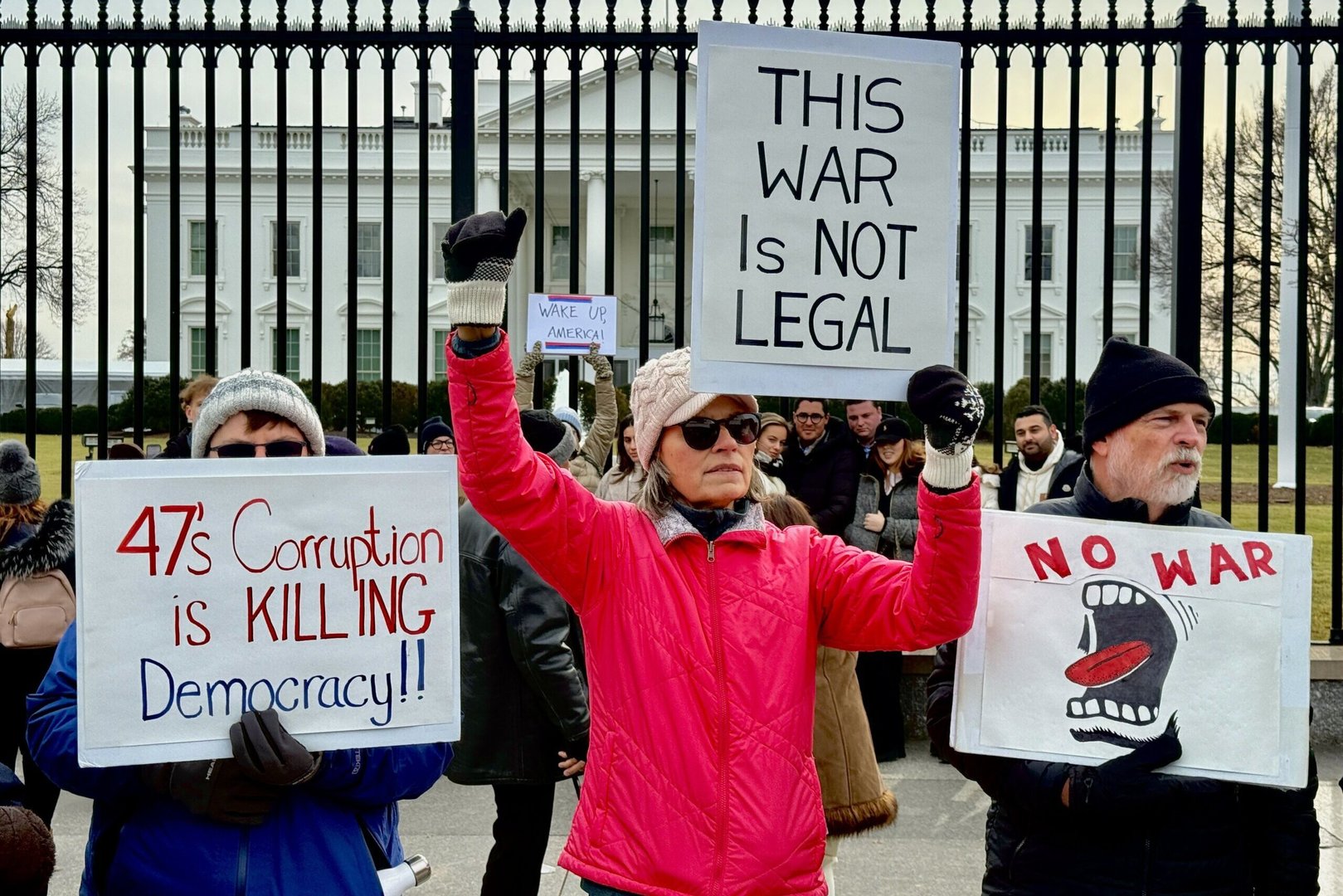
Protests Erupt at White House After U.S. Forces Remove Venezuela’s Maduro
Hundreds demonstrate against U.S. military action in Venezuela as critics decry the capture of President Nicolás Maduro as unlawful
Hundreds of demonstrators gathered outside the White House in Washington, D.C., on Sunday to protest the United States’ military operation in Venezuela that resulted in the removal and capture of President Nicolás Maduro and his wife, Cilia Flores by U.S. forces.
The rally, organised primarily by the Party for Socialism and Liberation and other anti-war groups, reflected deep unease among opponents of the operation, who argue that the act represents an unconstitutional and imperial intervention in a sovereign nation’s affairs.
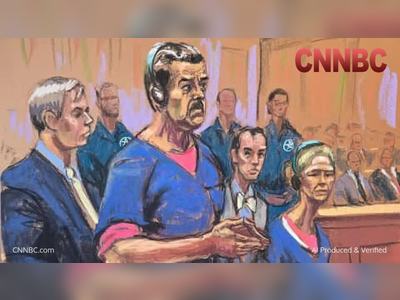
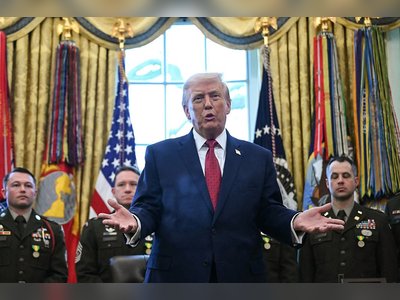
The protest began hours after President Donald Trump announced the U.S. military action that led to Maduro’s extraction from Caracas and subsequent transfer to New York, where he and Flores are set to face federal charges including narco-terrorism and drug trafficking in the Southern District of New York.
Trump has framed the operation as part of a broader effort to combat narcotics trafficking and restore stability in Venezuela, while signalling that American energy firms may play a role in rehabilitating Venezuela’s oil sector.
Participants at Lafayette Square expressed a range of concerns, from objections to what they described as unilateral U.S. use of force to fears that the intervention was motivated by a desire to control Venezuela’s oil reserves.
Protesters held signs reading “No Blood for Oil” and chanted slogans opposing military escalation.
Some speakers drew parallels to past U.S. interventions in Latin America and the Middle East, warning that foreign military involvement rarely yields lasting peace or democratic outcomes.
Voices at the demonstration also highlighted anxiety about the implications for international law and the precedent set by removing a sitting head of state without transparent multilateral backing.
Critics cited the absence of congressional authorisation and raised questions about whether the operation undermines long-established norms prohibiting unilateral military action against another sovereign nation.
These concerns echo broader international reactions, with countries such as Brazil, Chile and Colombia condemning the strikes while others like Argentina have welcomed Maduro’s ouster.
Counter-opinions were also evident near the White House protest.
Several passers-by voiced support for the U.S. action, asserting that Maduro’s government was responsible for widespread corruption and human rights abuses, and that decisive measures were necessary to confront transnational crime and restore democratic governance in Venezuela.
The protests outside the White House underscore the polarised domestic response to the Trump administration’s bold strategy, which has dramatically intensified geopolitical debate over U.S. interventionism and its role in shaping political outcomes abroad.
The demonstration followed broader global responses to the U.S. operation, which has divided world opinion and prompted emergency discussions at forums such as the United Nations.
The rally, organised primarily by the Party for Socialism and Liberation and other anti-war groups, reflected deep unease among opponents of the operation, who argue that the act represents an unconstitutional and imperial intervention in a sovereign nation’s affairs.
The protest began hours after President Donald Trump announced the U.S. military action that led to Maduro’s extraction from Caracas and subsequent transfer to New York, where he and Flores are set to face federal charges including narco-terrorism and drug trafficking in the Southern District of New York.
Trump has framed the operation as part of a broader effort to combat narcotics trafficking and restore stability in Venezuela, while signalling that American energy firms may play a role in rehabilitating Venezuela’s oil sector.
Participants at Lafayette Square expressed a range of concerns, from objections to what they described as unilateral U.S. use of force to fears that the intervention was motivated by a desire to control Venezuela’s oil reserves.
Protesters held signs reading “No Blood for Oil” and chanted slogans opposing military escalation.
Some speakers drew parallels to past U.S. interventions in Latin America and the Middle East, warning that foreign military involvement rarely yields lasting peace or democratic outcomes.
Voices at the demonstration also highlighted anxiety about the implications for international law and the precedent set by removing a sitting head of state without transparent multilateral backing.
Critics cited the absence of congressional authorisation and raised questions about whether the operation undermines long-established norms prohibiting unilateral military action against another sovereign nation.
These concerns echo broader international reactions, with countries such as Brazil, Chile and Colombia condemning the strikes while others like Argentina have welcomed Maduro’s ouster.
Counter-opinions were also evident near the White House protest.
Several passers-by voiced support for the U.S. action, asserting that Maduro’s government was responsible for widespread corruption and human rights abuses, and that decisive measures were necessary to confront transnational crime and restore democratic governance in Venezuela.
The protests outside the White House underscore the polarised domestic response to the Trump administration’s bold strategy, which has dramatically intensified geopolitical debate over U.S. interventionism and its role in shaping political outcomes abroad.
The demonstration followed broader global responses to the U.S. operation, which has divided world opinion and prompted emergency discussions at forums such as the United Nations.